
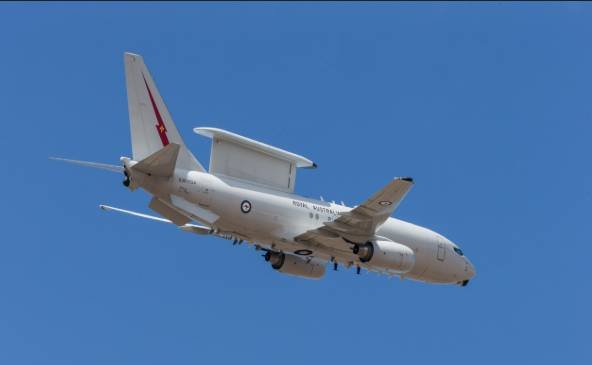

Officials allege satellite buildup and reconnaissance flights signal broader strategic intentions
Iranian intelligence officials have claimed that they are monitoring a significant increase in American surveillance activity over the Strait of Hormuz and Iranian airspace, arguing that the developments raise doubts about Washington’s commitment to ongoing diplomatic efforts.
In a statement released on Thursday, Iranian intelligence monitors said they had detected what they described as an unprecedented concentration of American satellites alongside intensified reconnaissance operations near the strategically vital waterway.
According to the statement, Iranian authorities observed extensive satellite activity over Iranian territory as well as reconnaissance aircraft operating at exceptionally high altitudes. Officials alleged that the aircraft were flying at levels intended to reduce the likelihood of detection by conventional radar systems.
Iranian officials argued that the military movements do not reflect preparations for meaningful negotiations. Instead, they claimed the increased surveillance suggests Washington is attempting to gain time while preparing broader strategic plans affecting the region.
Tehran questions Washington’s diplomatic intentions
The statement asserted that the United States was not demonstrating a genuine commitment to dialogue despite ongoing diplomatic contacts involving regional mediators. Iranian officials maintained that the heightened surveillance activity contradicted public messages supporting negotiations.
Officials further alleged that the military deployments formed part of a wider strategy targeting regional security and stability. However, they did not present supporting evidence for the claims or provide specific details regarding the number of satellites or aircraft involved.
Regional tensions remain under close watch
The Strait of Hormuz continues to be one of the world’s most strategically important maritime routes, carrying a significant share of global energy exports. Consequently, military movements around the waterway are closely monitored by regional governments and international observers.
The latest Iranian statement comes as diplomatic efforts between Tehran and Washington continue through indirect channels. Despite ongoing negotiations, both sides have repeatedly exchanged accusations over military activities and strategic intentions, underscoring the fragile security environment across the Gulf region.
استخبارات إيران ترصد: سماؤنا مكتظة بالأقمار الاصطناعية الامريكية .. وأميركا تتفاوض بالخفاء من علو شاهق!
في تطور لافت، كشفت الاستخبارات الإيرانية عن رصدها لنشاط غير مسبوق في أجواء مضيق هرمز والفضاء الإيراني، معتبرةً أن الحركة الأميركية لا تشي بنية حقيقية للتفاوض.
وقالت في…
— إيران الأن (@ozmos_2) July 1, 2026

