
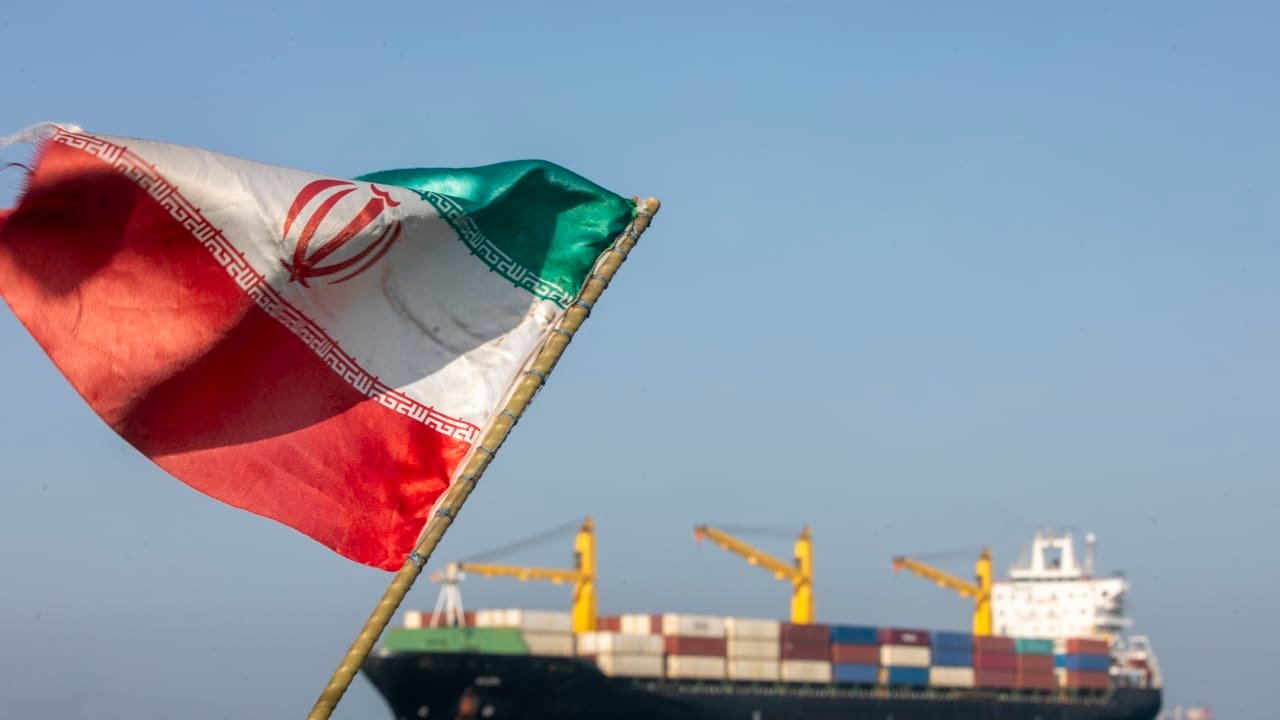

Proposed Maritime Arrangement Draws International Attention
Iran is reportedly holding discussions with Oman regarding a mechanism that could allow both countries to impose charges on vessels passing through the Strait of Hormuz, according to a report published by The New York Times.
The discussions emerged as Iranian officials continued exploring ways to generate revenue linked to maritime activity in one of the world’s most strategically important waterways.
The Strait of Hormuz remains a critical route for global energy shipments and the transportation of various commodities, including oil, liquefied natural gas, and fertiliser exports from Gulf countries.
Meanwhile, Iran recently established an organisation known as the Persian Gulf Strait Authority, which officials said would oversee matters connected to the management of the waterway.
Additionally, the authority reportedly published a map identifying supervision boundaries and indicating that certain areas could require specific permits for transit.
However, the United States strongly opposed the possibility of charges affecting international passage through the strait.
US President Donald Trump stated that the waterway represents an international route and argued against the introduction of transit charges.
Similarly, US Secretary of State Marco Rubio reportedly described such proposals as unacceptable.
Legal Questions Emerge Over Transit Charges and Maritime Rules
According to reports, discussions between Iran and Oman focused on establishing service-related fees rather than direct transit tolls.
Observers noted that international law generally prohibits tolls for passage through international waterways, although countries may impose fees for services provided at ports or facilities.
Consequently, analysts questioned whether practical implementation could face legal and operational challenges.
Meanwhile, reports also highlighted continuing security concerns after intelligence assessments reportedly identified underwater mines within the Strait of Hormuz region.
Regional developments continue attracting attention as governments monitor maritime security and ongoing diplomatic discussions.

