
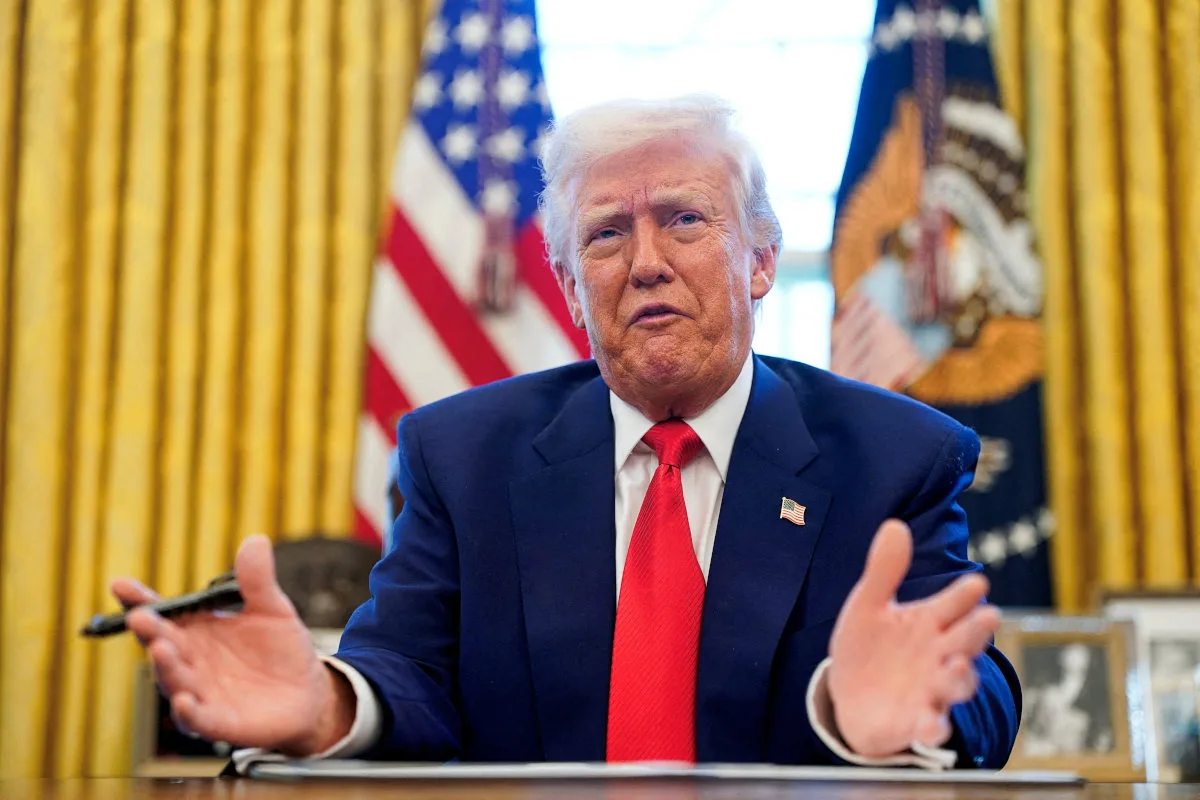

A growing number of Americans are backing impeachment proceedings against President Donald Trump, according to a new poll reported by Newsweek. The findings highlight rising political tensions and deep divisions across the United States.
The survey shows that 55 percent of respondents support impeachment. A smaller percentage oppose the move. This shift signals increasing dissatisfaction among voters, even as the likelihood of removal from office remains uncertain.
The data reflects a broader trend. Public opinion appears to be moving toward greater accountability, while political realities continue to limit immediate outcomes.
Public Opinion Shifts as Political Divide Deepens
Recent polling trends indicate that support for impeachment has crossed the majority threshold. This marks a significant moment in the current political climate.
Analysts say the support is largely driven by opposition voters. Meanwhile, Trump’s core supporters remain strongly against impeachment efforts. This divide underscores the ongoing polarization in American politics.
The issue has become a focal point of national debate. It reflects wider concerns about governance, leadership decisions, and policy direction.
Political observers note that public sentiment is becoming more decisive. However, it remains deeply split along party lines. This division continues to shape the national conversation.
Prediction Markets Signal Rising but Limited Chances
Alongside public opinion, prediction markets are also showing increased activity. These platforms track the probability of political outcomes based on user predictions.
Recent data suggests that the chances of impeachment and removal have risen to around 28 to 29 percent. This represents one of the highest levels recorded in recent months.
Despite this increase, the numbers still indicate that removal from office is unlikely. Experts emphasize that these probabilities reflect speculation rather than certainty.
The gap between public support and actual political feasibility remains wide. This highlights the complexity of the impeachment process in the United States.
Constitutional Barriers Make Removal Difficult
Under the US Constitution, impeachment involves two key steps. The United States House of Representatives can approve articles of impeachment with a simple majority.
However, removal from office requires conviction in the United States Senate. This step demands a two-thirds majority vote, which is much harder to achieve.
Given the current political balance in Congress, reaching this threshold appears unlikely. Analysts believe bipartisan support would be necessary, which remains difficult in a divided environment.
Trump’s political history adds another layer of complexity. He was impeached twice during his first term, in 2019 and 2021, but was acquitted both times by the Senate.
These past outcomes continue to influence expectations. Many experts believe that similar dynamics could shape any future proceedings.
Growing Scrutiny and Uncertain Political Future
The renewed push for impeachment comes amid ongoing scrutiny of Trump’s leadership. Critics have raised concerns over both domestic and foreign policy decisions.
While the poll does not point to a single issue, it reflects broader dissatisfaction among certain segments of the population. This dissatisfaction is fueling calls for accountability.
Experts caution that public opinion alone cannot determine the outcome. The decision ultimately rests with lawmakers in Congress.
The current situation presents a complex political landscape. A majority of Americans may support impeachment, but significant legal and political hurdles remain.
As the debate continues, the gap between voter sentiment and legislative action remains a defining challenge. The future of impeachment efforts will depend on shifting political dynamics in Washington.

