
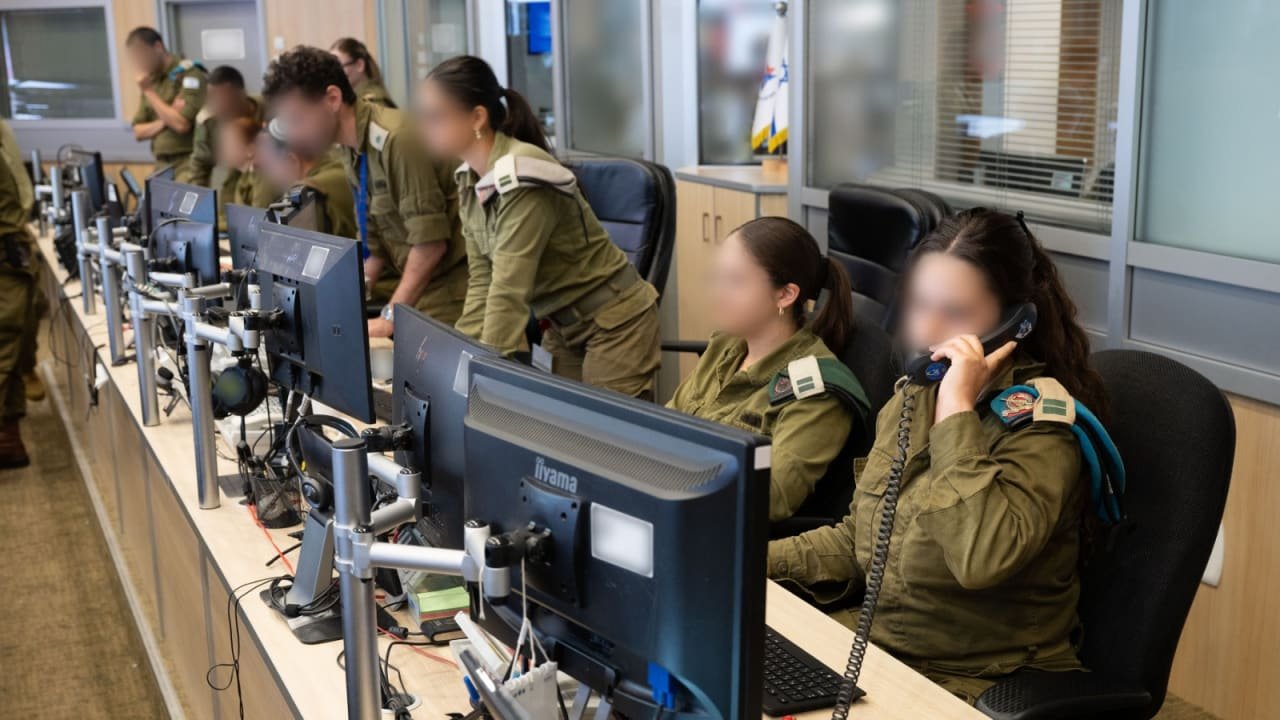

Military Operations Expand as Air Defences Remain Active
The Israeli military said on Monday that the latest confrontation with Iran is expected to continue for at least several more days and could escalate into a broader conflict if tensions continue to rise.
According to the Israel Defense Forces (IDF), Iran launched three separate missile salvos toward Israel during the day, firing between 22 and 24 ballistic missiles in total. Meanwhile, Yemen’s Houthi movement launched two missiles toward Israeli territory.
Israeli officials said air defence systems intercepted most of the incoming threats. One Houthi missile reportedly fell short before reaching Israeli territory, while another was successfully intercepted. The IDF also stated that all Iranian missiles were either shot down or failed to reach their intended targets.
At the same time, the Israeli Air Force carried out two waves of strikes against targets inside Iran. Military officials said the operations targeted nine Iranian air defence and radar systems as well as several facilities within a petrochemical complex. Some of the sites were reportedly linked to missile production and military infrastructure.
Regional Tensions Rise as Coordination Continues
Israeli military officials confirmed that Chief of Staff Lieutenant General Eyal Zamir has remained in close contact with US Central Command Commander Admiral Brad Cooper throughout the latest escalation. According to the IDF, the United States has assisted with defensive operations by helping intercept missiles but has not participated in offensive strikes against Iran.
Furthermore, Israeli officials said recent operations also targeted Hezbollah-linked figures involved in drone activities. The military described these actions as part of broader efforts to counter threats from Iran-backed groups across the region.
The IDF argued that Iran initiated the latest round of hostilities by breaking the existing ceasefire and rejected comparisons that portray both sides as equally responsible for the escalation.
Military sources acknowledged that some officials had not expected Iran to resume attacks, which contributed to a delayed Israeli response. However, they emphasized that operational plans for multiple scenarios remained in place.
As missile exchanges and air strikes continue, security analysts warn that the situation remains highly volatile, with the possibility of further escalation still looming over the region.

