
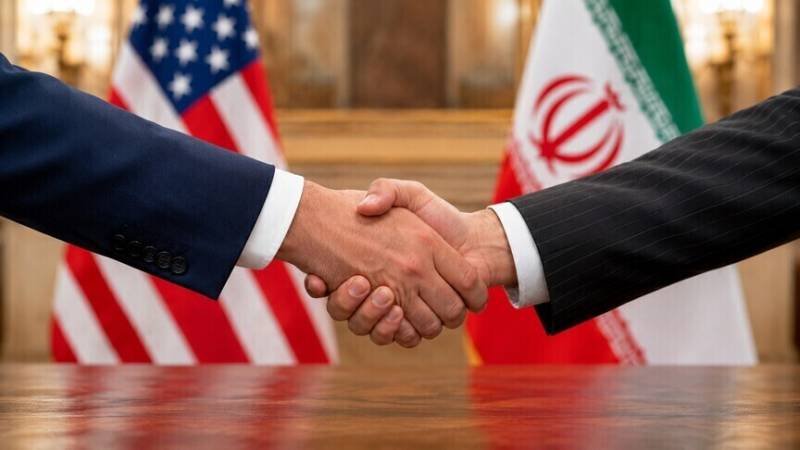

Islamabad MoU Enters Crucial Implementation Phase
A new round of diplomatic negotiations between the United States and Iran has officially begun in Switzerland under the framework of the Islamabad Memorandum of Understanding.
The talks mark the first major technical-level meeting since the signing of the agreement aimed at reducing regional tensions and advancing long-term peace efforts.
Delegations from the United States, Iran, Pakistan, and Qatar are participating in the discussions at the Burgenstock resort in Switzerland.
Officials say the negotiations are focused on implementing commitments outlined in the Islamabad MoU and building momentum toward a broader regional settlement.
Pakistan is attending the talks in a mediation and facilitation role, continuing its diplomatic efforts to support dialogue between the parties.
Pakistan Leads Efforts to Sustain Diplomatic Momentum
Prime Minister Shehbaz Sharif arrived in Switzerland along with Chief of Army Staff and Chief of Defence Forces Field Marshal Syed Asim Munir and a high-level diplomatic delegation.
Senior officials from Pakistan’s Ministry of Foreign Affairs are also participating in the discussions.
According to diplomatic sources, Pakistan is working closely with all stakeholders to encourage constructive engagement and maintain progress achieved under the Islamabad framework.
A spokesperson for the Foreign Office said Pakistan will continue facilitating dialogue and supporting the implementation process of the agreement.
The summit has also brought together representatives from Qatar, which is playing an important role alongside Pakistan in promoting diplomatic solutions.
Lebanon Ceasefire and Frozen Assets Dominate Agenda
The United States delegation is being led by Vice President JD Vance, while Iran’s delegation is headed by Speaker Mohammad Bagher Ghalibaf and includes Foreign Minister Abbas Araghchi.
Iranian officials have indicated that the conflict in Lebanon is a major focus of the talks.
Discussions are also expected to address Iran’s frozen assets, sanctions-related issues, oil exports, and broader regional security concerns.
The negotiations were originally scheduled to begin earlier but were delayed due to renewed violence in Lebanon.
Despite those challenges, participating countries remain hopeful that the current discussions can strengthen the ceasefire process and pave the way for a more comprehensive agreement.
Officials believe successful implementation of the Islamabad MoU could contribute to regional stability, improved diplomatic relations, and greater economic confidence across the Middle East.
The outcome of the Switzerland talks is expected to play a significant role in shaping the next phase of US-Iran relations and broader regional peace efforts.

