
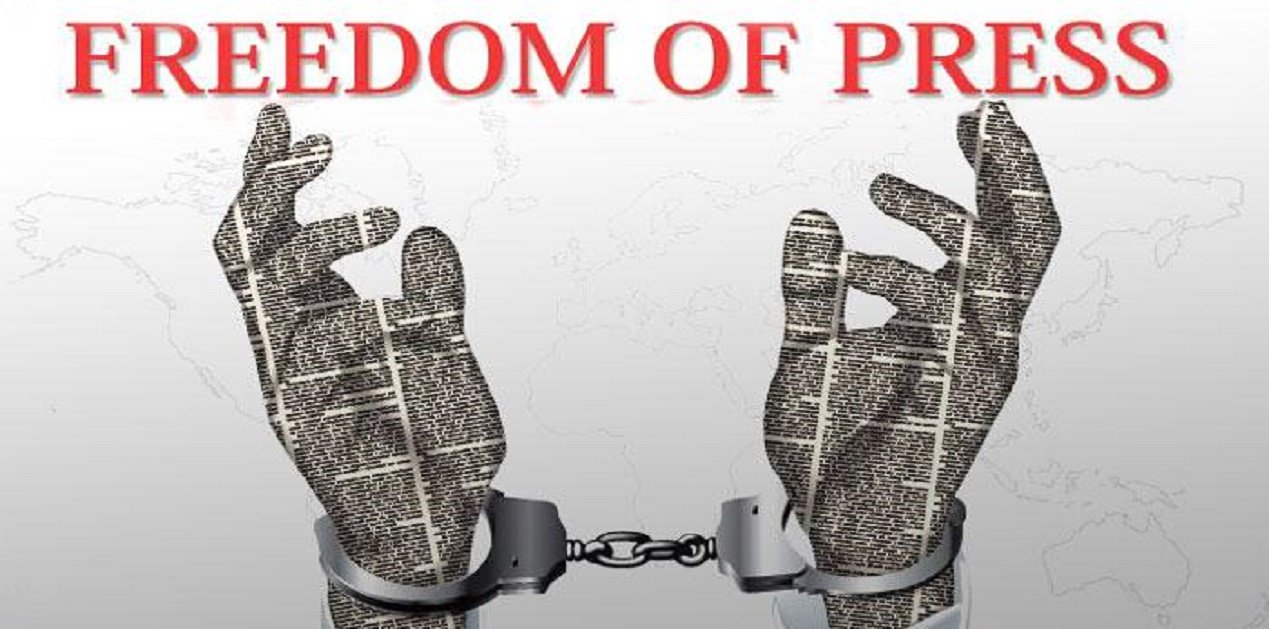

Report Warns of Sharp Decline in Media Independence
Press freedom across the world has reached its lowest level in 25 years, according to a new report by Reporters Without Borders. The findings highlight a growing crisis in journalism, with increasing restrictions, censorship, and threats against media professionals.
The report states that for the first time in its history, more than half of the world’s countries now fall into “difficult” or “very serious” categories for press freedom. This marks a significant shift in global media conditions. The average global score has dropped to its lowest point since the index began.
Experts warn that the decline reflects a broader erosion of democratic values. Independent journalism is facing pressure from governments, political actors, and security forces. These challenges are limiting the ability of journalists to report freely.
Political Pressure and Legal Measures Drive Restrictions
The report points to several high-profile examples. Actions linked to Donald Trump were cited as part of a broader pattern of pressure on journalists in the United States. The country has dropped further in global rankings, now placed at 64th position.
Cases such as the detention and deportation of journalist Mario Guevara have raised concerns. Funding cuts to international broadcasting services have also impacted media reach and independence.
In Russia, the situation remains severe. Under Vladimir Putin, authorities have used laws related to terrorism and extremism to restrict press activity. As of April 2026, dozens of journalists remain in detention.
The report also highlights Saudi Arabia, where the execution of a journalist in 2025 drew global criticism. Such actions send a strong message of risk to media professionals.
Regional Declines and Limited Safe Zones
The most significant drop in rankings was recorded in Niger. The country fell sharply due to political instability and military rule. The Sahel region overall has seen a steady decline in press freedom. Armed conflict and government control have reduced access to independent information.
Globally, only a small number of countries maintain high standards of press freedom. Nations in Northern Europe continue to lead, with Norway at the top. However, the share of the global population living in “good” conditions has dropped to less than one percent.
This sharp decline shows that safe environments for journalism are becoming rare. Many reporters now work under constant threat. Legal restrictions, arrests, and violence are becoming more common.
The report calls for urgent action to protect press freedom. It stresses the need for stronger laws, international cooperation, and public support for independent media.
The future of journalism depends on these efforts. Without free press, access to accurate information is at risk. The findings serve as a warning about the global state of media freedom.

