

NDMA Issues GLOF Alert for Nagar District
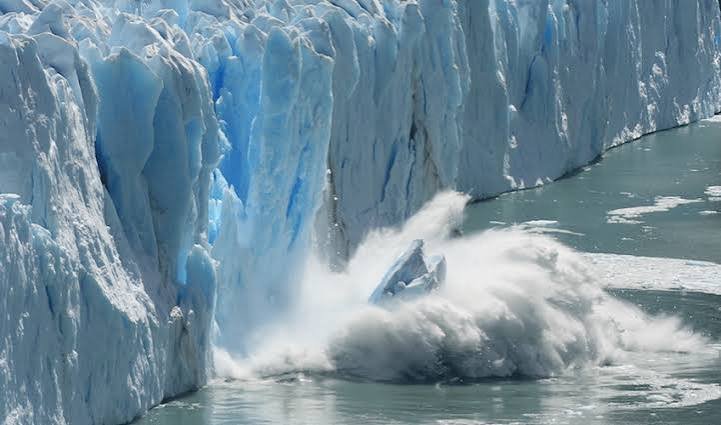
Rapid glacier melting has worsened the flood situation across Gilgit-Baltistan.
The National Disaster Management Authority has issued a Glacial Lake Outburst Flood alert for Hoper and Hisper valleys in Nagar district.
According to the NDMA, the ongoing heatwave has accelerated glacier and snow melting in the region. This has increased water flow in rivers, streams, and mountain channels.
The authority warned that several areas now face serious risks. These include flash floods, debris flows, mudslides, riverbank erosion, and damage to public infrastructure.
Downstream communities are especially vulnerable as rising water levels continue to threaten roads, bridges, homes, and agricultural land.
Roads, Bridges, Homes, and Crops Damaged
Floods and mudslides have already caused damage in several districts of Gilgit-Baltistan.
Link roads, bridges, electricity networks, farmland, and houses have been affected by strong water flows.
In Ghanche district, rising water submerged a suspension bridge over the Hushe Nallah. The incident disrupted access to remote communities and created problems for local residents.
Flash flooding also blocked the Karakoram Highway near Khunjerab Pass for a short period. Tourists and cargo vehicles were stranded until traffic was restored.
In Ghizer district, floodwaters damaged houses, crops, and road links. Authorities also expressed concern over rising water levels in an artificial lake that may threaten nearby settlements.
Residents and Tourists Urged to Stay Away From Risk Areas
Rescue 1122 has advised residents and tourists to avoid rivers, streams, and glacier zones.
People have also been asked to avoid unnecessary travel during unstable weather conditions.
The NDMA has directed local authorities to remain on high alert. It has also urged communities in vulnerable areas to take precautionary steps.
Officials said rising temperatures may further increase the risk of glacial lake outburst floods in the coming days.
Gilgit-Baltistan remains one of Pakistan’s most climate-sensitive regions. Warmer weather, melting glaciers, and sudden water surges are increasing threats to lives, homes, roads, and local livelihoods.
Authorities say preparedness and timely evacuation can help reduce losses if the situation worsens.

