
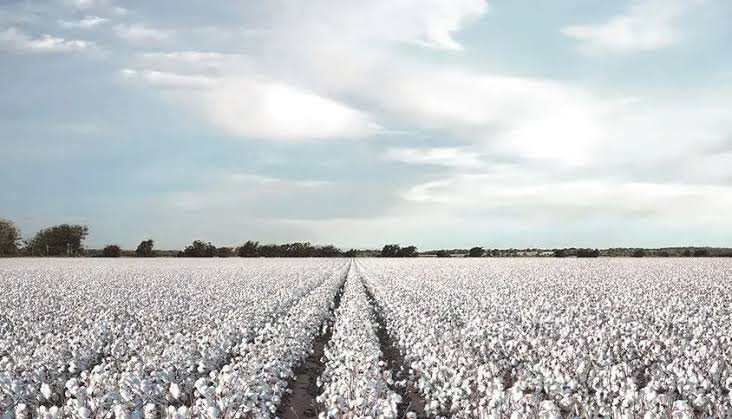

Pakistan’s cotton production is projected to decline by 6% during the 2026–27 season, raising concerns about raw material supplies for the country’s textile industry. The forecast comes as global cotton output is also expected to contract, potentially increasing pressure on prices and supply chains.
According to the World Bank’s October 2026 Commodity Markets Outlook, global cotton production could fall by 3% in the same period. Meanwhile, global consumption is forecast to increase by 2%, tightening the balance between supply and demand.
Global Cotton Prices Expected to Rise
The World Bank expects cotton prices to increase by 14% in 2026, followed by more moderate gains of 3% in 2027 and 1% in 2028. Prices already rose by 6% in the third quarter of 2026 compared with the previous quarter, remaining around 20% above their level a year earlier.
Production declines in major cotton-producing countries are contributing to the tighter outlook. China and Pakistan are both expected to record 6% declines, while US production could fall by 3%. In contrast, India and Brazil are projected to increase output by approximately 1% each.
The global stocks-to-use ratio is expected to fall to 0.57 in 2026–27 from 0.63 in the previous season, indicating tighter supplies relative to consumption.
Textile Industry Faces Growing Challenges
Lower domestic production could increase Pakistan’s reliance on imported cotton to meet the needs of its textile mills. This may put additional pressure on foreign exchange reserves and raise production costs for manufacturers.
Pakistan’s textile sector depends heavily on cotton as a raw material for yarn, fabric and finished garments. Consequently, higher international prices and limited local supplies could affect production expenses and export competitiveness.
Meanwhile, broader commodity markets are facing pressure from geopolitical conflicts, energy supply disruptions and adverse weather conditions. The World Bank has warned that these factors could intensify price volatility and increase costs across agricultural markets.
Pakistan’s cotton outlook will depend on domestic harvest performance, weather conditions and the availability of supplies from international markets.
For the latest updates, visit and follow The Truth International website (www.thetruthinternational.com) and subscribe to the YouTube Channel.

