
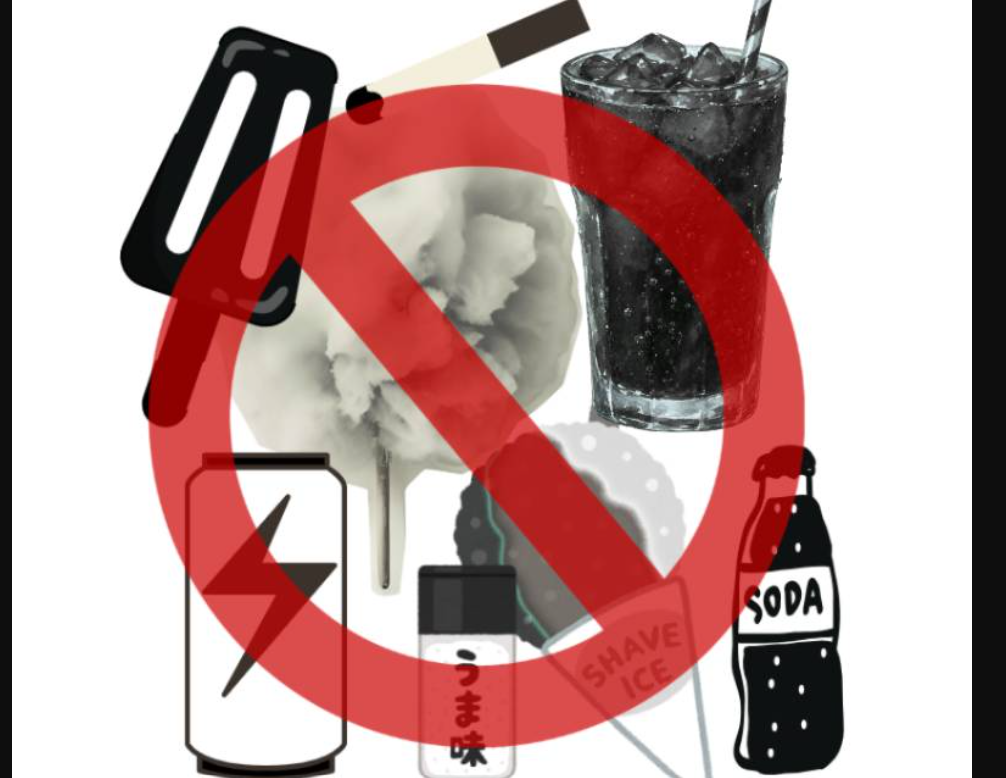

Students across Punjab will face new restrictions on the food and drinks available at educational institutions under amended food quality regulations. The provincial government has prohibited several beverages, snacks, and tobacco-related products in school, college, and university canteens. Moreover, the new rules also extend to food businesses operating within 100 metres of educational institutions.
Which Items Has Punjab Banned in Educational Institutions?
The amended regulations prohibit the sale of several products considered unsuitable for school and campus food outlets. These include carbonated drinks, energy drinks, and artificially flavoured beverages.
Products containing monosodium glutamate (MSG), commonly known as Chinese salt, also fall under the restrictions. In addition, the ban covers cotton candy, gola ganda, and ice lollies.
The regulations also prohibit tobacco products and vapes. Consequently, campus canteens and cafeterias must follow the updated requirements when deciding which products they can sell.
New Food Rules Apply Across Punjab
Published in the Punjab Gazette, the amended regulations cover schools, colleges, universities, and other educational institutions throughout Punjab. Therefore, the requirements are not limited to a particular type of campus or educational establishment.
The changes aim to encourage healthier eating habits among students while reducing access to products with low nutritional value. By regulating canteen offerings, the government intends to promote better food choices within educational settings.
However, the new rules also introduce a broader system for classifying food according to its nutritional value.
Green, Yellow and Red Categories for Food
Under the amended regulations, food items fall into three categories: green, yellow, and red. This classification system groups products according to their nutritional value.
Nutritious foods fall under the green category. The three-category approach provides a framework for assessing food products and guiding decisions about what educational institutions may offer.
The overall objective is to make healthier choices more accessible to students. At the same time, the restrictions seek to discourage the sale of products that offer limited nutritional benefits.
Ban Extends to Food Outlets Near Schools and Universities
The regulations extend beyond school and university premises. Food businesses operating within a 100-metre radius of educational institutions must also comply with the amended requirements.
This means nearby food outlets will face the same relevant restrictions as on-campus canteens and cafeterias. As a result, vendors operating close to schools, colleges, and universities will need to review their products and ensure compliance.
The expanded coverage makes the rules relevant to both educational institutions and surrounding food businesses. Ultimately, the measures aim to create a healthier food environment for students, including when they purchase refreshments outside campus boundaries.
For the latest updates, visit and follow The Truth International website (www.thetruthinternational.com) and subscribe to the YouTube Channel.

