
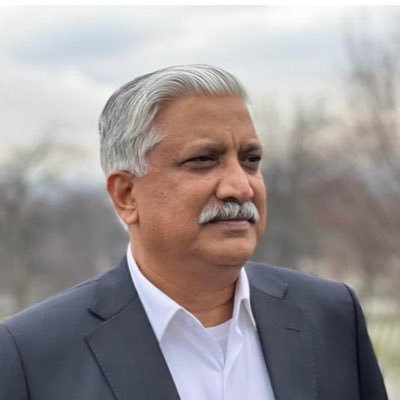

Concerns raised over diplomatic narrative
A retired lieutenant general Muhammad Saeed of Pakistan Army has criticized recent remarks by the US vice president, arguing that key realities surrounding the Iran dialogue were deliberately overlooked. In a statement shared on social media, he said the comments failed to acknowledge the limitations faced by the Iranian delegation during negotiations.
He explained that, unlike the US side, Iranian officials could not freely communicate with their leadership during the talks. According to him, any attempt by Iranian representatives to contact senior figures such as the supreme leader or military commanders could have exposed their locations. Consequently, this risk might have enabled adversaries to target them, making real-time consultation highly dangerous.
Moreover, he emphasized that the US delegation had the advantage of maintaining continuous contact with its leadership, which created an imbalance in the negotiation process. Therefore, he argued that criticism of Iranian negotiators should consider these constraints rather than placing blame solely on them.
Call for confidentiality in sensitive discussions
Additionally, the retired officer pointed out that the US vice president had earlier stated in Islamabad that he preferred not to disclose details of the discussions. However, he noted that this position should have been maintained consistently to preserve diplomatic confidentiality.
He further stressed that sensitive negotiations require discretion, especially when regional tensions remain high. In his view, public commentary on such matters risks undermining trust between parties and complicating ongoing diplomatic efforts.
Overall, he urged a more balanced and responsible approach in public statements regarding international negotiations, highlighting the importance of understanding operational limitations faced by all sides involved.

