
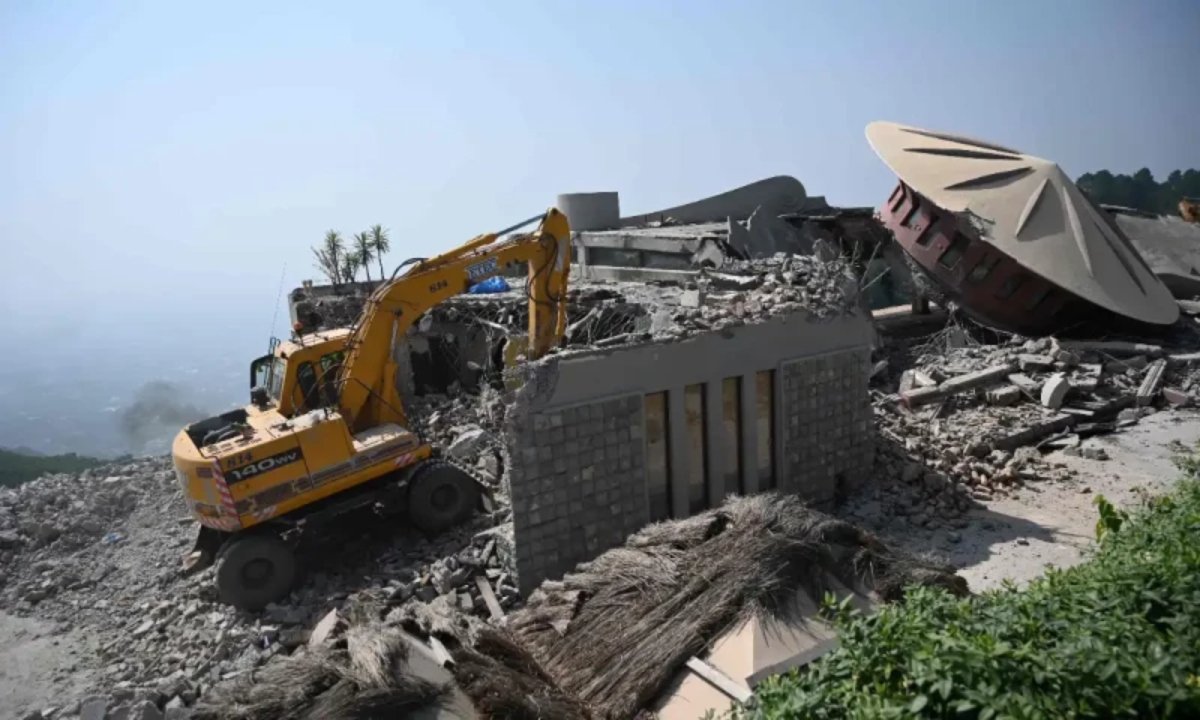

The Federal Constitutional Court on Thursday questioned a Supreme Court judgment concerning restaurants inside Margalla Hills National Park. Consequently, the legal battle over the controversial demolition orders has gained fresh attention.
The Supreme Court had ordered the closure and demolition of several restaurant structures in 2024. As a result, Monal and the adjacent La Montana restaurant ceased operations the following month.
A three-member FCC bench, headed by Justice Syed Hasan Azhar Rizvi, heard the matter. The court reviewed a petition filed by the Capital Development Authority challenging the earlier verdict.
The Supreme Court had directed the Islamabad Wildlife Management Board to take possession of the sites. Additionally, authorities were instructed to barricade entrances before demolishing the structures.
Court Raises Concerns Over Earlier Verdict
During the hearing, the federal government supported the CDA’s review petition. Officials argued that the demolition order was legally unsustainable.
The government pointed out that approximately 113 similar structures still exist within Margalla Hills. Therefore, it questioned why only specific restaurants faced demolition.
Justice Rizvi also raised concerns regarding the Supreme Court’s reasoning. He observed that the judgment appeared to prioritize animal rights while overlooking human interests.
The judge further noted that related legal proceedings remained pending before other courts. These included lease disputes and intra-court appeals concerning the affected properties.
Parties Seek Further Legal Review
Representing the restaurants, senior lawyer Ahsan Bhoon argued that pending civil proceedings should continue. However, Justice Rizvi stressed that courts do not decide matters through agreements between parties.
He stated that overturning a Supreme Court judgment required proper legal reasoning. Therefore, the FCC would issue a detailed order if it decided to alter the ruling.
The court subsequently adjourned proceedings until the second week of July. Meanwhile, the legal status of the disputed structures remains unresolved.
In its 2024 judgment, the Supreme Court had cited environmental concerns. The court stated that commercial activities damaged biodiversity, disrupted wildlife habitats, and affected the park’s ecological functions for future generations.

