

The European Union today approved a fresh round of sanctions against Russia and simultaneously unlocked a €90 billion ($105.3 billion) loan package for Ukraine. The decision followed the withdrawal of vetoes by Hungary and Slovakia after Russian oil flows resumed.
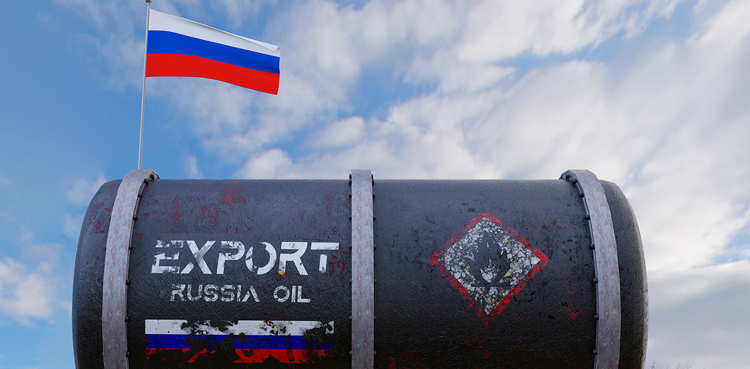
The bloc targeted Russia’s energy and maritime sectors by sanctioning 36 companies involved in the oil supply chain and 46 vessels. Consequently, the number of blacklisted “shadow fleet” tankers rose to 632. These ships, often underinsured and operating under obscure flags, enable Russia to export crude oil above the G7-imposed price cap.
Moreover, the package established the basis for a future ban on maritime services linked to Russian oil exports. However, officials will finalize the move after consultations with G7 partners. Earlier, Greece and Malta voiced concerns that such restrictions, without broader backing, could damage their shipping-dependent economies.
In addition, authorities imposed transaction bans on 20 Russian banks and four foreign lenders accused of facilitating sanctions evasion. The EU also blacklisted dozens of firms across China, United Arab Emirates, Turkey, and Uzbekistan for supplying dual-use goods.
Furthermore, the sanctions list included 58 Russian entities and individuals linked to drone production and military development. Brussels expanded export bans covering metals, chemicals, and industrial tools worth over €930 million, while also prohibiting cybersecurity services to Russia.
Finally, the EU sanctioned 13 individuals and entities over allegations involving child abductions, cultural theft, and propaganda, while allowing European firms to pursue compensation for seized assets in Russian courts.

