
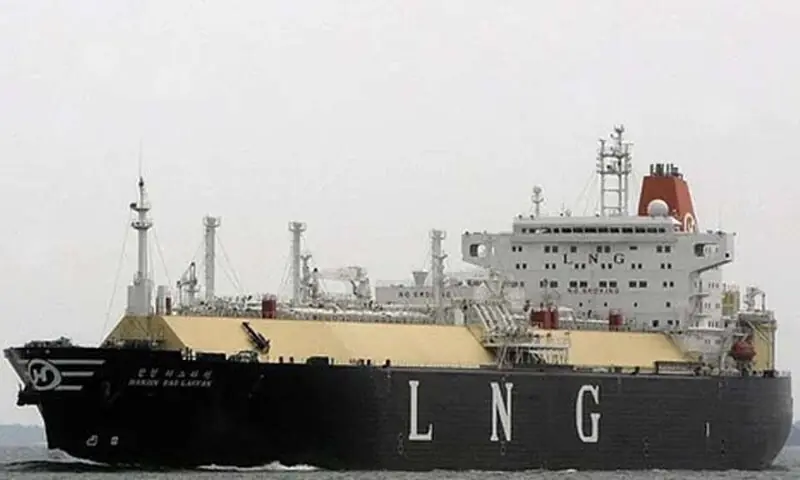

Pakistan is facing mounting energy pressure as global supply disruptions push fuel costs sharply higher. The recent closure of the Strait of Hormuz has forced authorities to secure expensive liquefied natural gas supplies to meet urgent demand.
State-owned Pakistan LNG Limited has approved a revised bid of $18.4 per mmBtu from TotalEnergies. The cargo will be delivered between April 27 and April 30.
This deal highlights the growing financial strain on the country’s energy sector. It also reflects the impact of global geopolitical tensions on local energy security.
Emergency LNG Purchase Amid Supply Disruptions
The LNG purchase comes at a critical time. Pakistan is experiencing rising temperatures and increasing electricity demand. Power shortages have already crossed 4,500 megawatts during peak hours.
Authorities issued urgent tenders for three LNG cargoes. The deadline for bids was April 24. Multiple companies participated, offering prices between $17.997 and $18.88 per mmBtu.
Despite receiving competitive bids, Pakistan LNG Limited rejected most offers. Bids from Vitol Bahrain and OQ Trading were among the lowest. However, they were not accepted.
Officials decided to secure only the immediate cargo. They expect the Strait of Hormuz to reopen soon. This strategy aims to avoid long-term commitments at high prices.
The crisis worsened after QatarEnergy delayed shipments due to security concerns. Several LNG cargoes bound for Pakistan were forced to return from the region.
Rising Energy Costs and Load Shedding Concerns
The financial impact of the LNG deal is significant. After including taxes and charges, the cost of regasified LNG could reach nearly $23 per mmBtu. This is almost double the price recorded just a month earlier.
Previously, the Oil and Gas Regulatory Authority had increased RLNG prices by up to 22 percent. Even then, prices were much lower than current levels.
The surge in prices is linked to reduced supply and higher terminal charges. Limited LNG cargo availability has further strained the system.
Consumers are already facing long hours of power outages. Load shedding of six to seven hours has been reported in several areas. The situation may worsen as summer demand rises.
Peak electricity demand is expected to exceed 28,000 megawatts. Current supply remains far below that level, increasing pressure on authorities to secure fuel quickly.
Structural Challenges in Energy Management
The crisis has also raised concerns about the role of Pakistan LNG Limited. The company has been largely inactive in recent years. It has not imported LNG regularly despite ongoing energy needs.
Critics argue that this lack of activity has weakened preparedness for emergencies. The company last issued a tender in December 2023, which was later canceled.
Meanwhile, the government has directed energy departments to arrange around 400 million cubic feet per day of LNG. This is aimed at stabilizing power generation during peak demand.
Solar energy has reduced daytime electricity consumption. However, demand spikes again after sunset when consumers return to the grid.
The ongoing situation highlights the vulnerability of Pakistan’s energy sector. Heavy reliance on imported fuel makes it sensitive to global disruptions.
As geopolitical tensions continue, energy security remains a major concern. The success of short-term measures will depend on how quickly global supply routes stabilize.

