
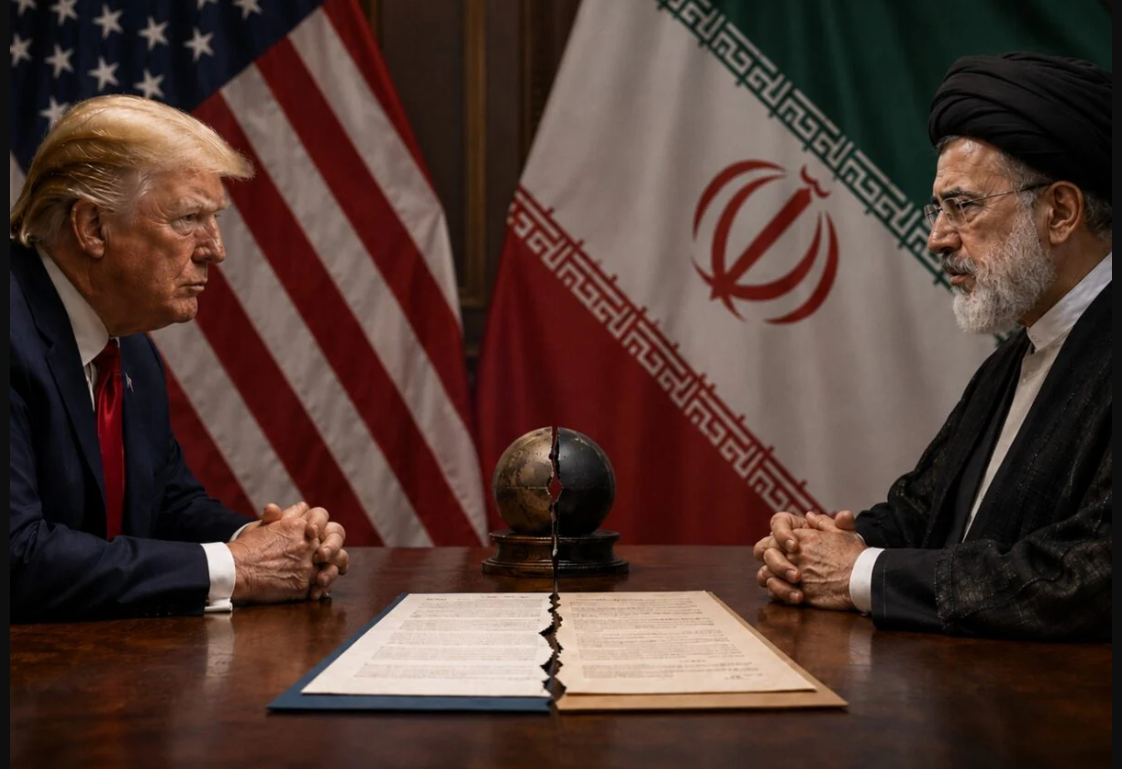

Tensions have emerged between Iran and the United States over critical aspects of their fragile peace framework. Disputes involving nuclear inspections, frozen assets, and regional security have raised doubts about the durability of the agreement.
Both sides recently concluded initial negotiations in Switzerland. However, conflicting statements have created uncertainty about the deal’s direction and enforcement.
Conflicting Claims Over Nuclear Inspections
The US president claimed that Iran had agreed to allow unrestricted nuclear inspections for the long term. He described the arrangement as indefinite oversight of Iran’s nuclear facilities.
“Iran has fully and completely agreed to highest level Nuclear inspections long into the future (Infinity!!!),”
However, Iranian officials strongly rejected this claim. Tehran stated that no agreement had been reached regarding expanded inspections. It also denied any commitment to allow renewed access to international nuclear inspectors.
These conflicting positions have created confusion over the core structure of the agreement.
Disagreement Over Frozen Assets and Financial Terms
Another major dispute involves Iranian financial assets held abroad. The framework suggests that Iran could regain access to frozen funds under the deal.
The US position indicates that released funds would be directed toward essential imports such as food and medical supplies. However, Iran insists it will decide independently how to use its recovered assets.
This disagreement highlights broader mistrust between both sides. It also raises concerns about how financial provisions will be implemented in practice.
Strait of Hormuz and Shipping Tensions
The agreement also addresses the strategic Strait of Hormuz, a key global energy route. The initial understanding allowed shipping traffic to resume after previous disruptions.
However, Iran has suggested that future tolls or charges on shipping may be considered after the initial period. This has created additional tension with the United States and regional stakeholders.
US officials rejected the possibility of transit fees, arguing that free navigation must remain part of any final agreement.
Meanwhile, Iran and Oman emphasized their sovereign control over the waterway. Both countries stated they would jointly manage maritime traffic and associated regulations.
Political Pressure and Domestic Challenges in the US
The agreement is also facing political pressure within the United States. A congressional vote signaled growing opposition to continued military engagement in the conflict.
At the same time, domestic political divisions have increased scrutiny of the administration’s foreign policy approach. Critics argue that the war has created economic and security challenges.
Despite this, the administration has continued diplomatic efforts, including easing travel restrictions for Iran’s World Cup football team as a goodwill gesture.
Regional Security and Ongoing Conflicts
The broader regional situation remains unstable. The agreement is linked to wider conflicts involving Lebanon and security tensions in the Middle East.
Key disagreements persist over military presence and withdrawal conditions. Iran has called for troop withdrawals from contested areas, while opposing parties maintain security operations in strategic zones.
These unresolved issues continue to complicate efforts to achieve a lasting peace settlement.
Conclusion
The Iran–US framework deal remains fragile as both sides present conflicting interpretations of its terms. Disputes over nuclear oversight, financial access, and strategic waterways continue to undermine confidence.
While negotiations are ongoing, the lack of consensus on key issues suggests that significant challenges remain before a final and enforceable agreement can be reached.

