

Israeli and US officials weigh operational needs against pressure to ease disruption to civilian flights
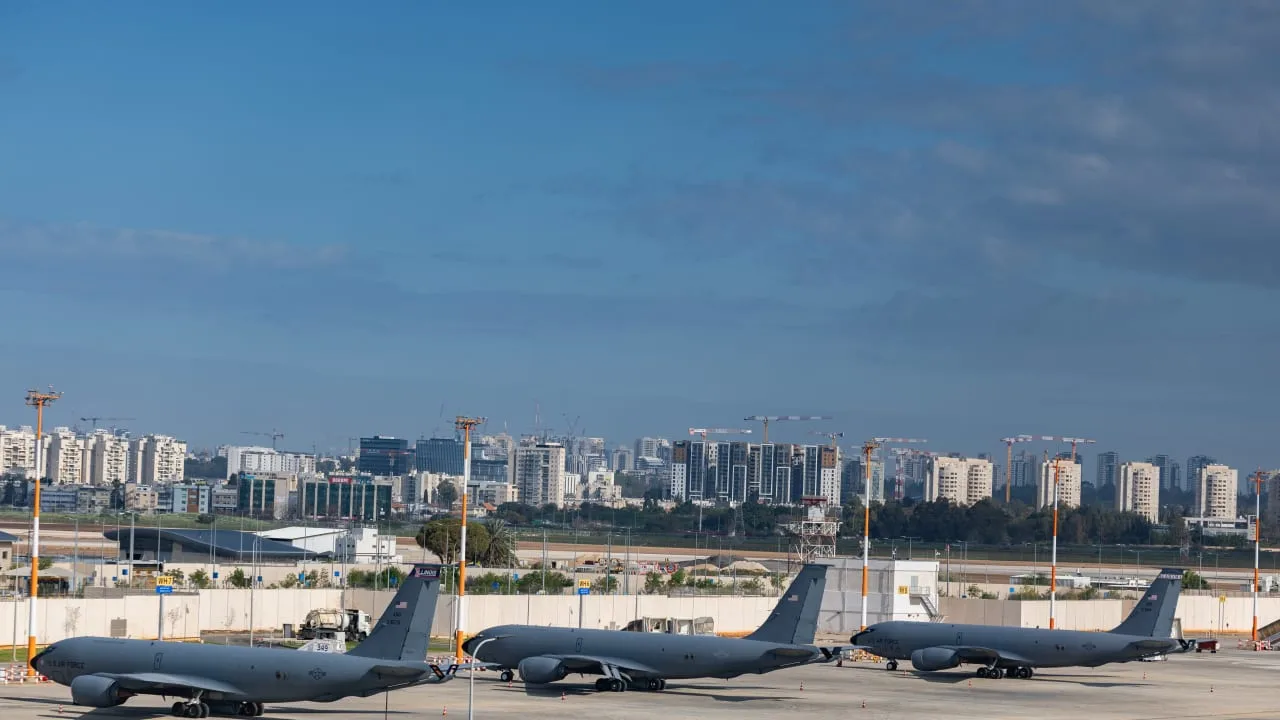
TEL AVIV: A dispute over the continued presence of United States aerial refueling aircraft at Ben Gurion Airport has escalated into a diplomatic issue after American military officials reportedly rejected proposals to relocate the aircraft to alternative sites in Israel.
The disagreement follows an announcement by Israel’s Transportation Ministry that a solution had been reached to move the aircraft from the country’s main international airport. However, US military sources later said the proposed alternatives did not meet operational and safety requirements.
According to Israeli media reports, Prime Minister Benjamin Netanyahu and Defense Minister Israel Katz are expected to discuss the matter as both governments seek a solution that balances military preparedness with civilian aviation needs.
Operational concerns remain central
US officials reportedly argued that the aircraft must remain at Ben Gurion Airport to ensure rapid deployment if regional security conditions deteriorate. Military planners are said to view the location as strategically important for responding to potential emergencies involving US forces stationed across the Gulf region.
Sources familiar with the discussions said alternative locations offered by Israeli authorities lack sufficient space and infrastructure to support large-scale refueling operations. They reportedly warned that relocating the aircraft could reduce operational readiness during a crisis.
The US military has also reportedly requested maintaining, and potentially expanding, its presence at the airport as regional tensions continue.
Civil aviation faces growing pressure
Israeli transportation officials have expressed concern that the military aircraft are occupying valuable parking areas needed for commercial flights during the peak summer travel season. Transportation Minister Miri Regev previously called for limiting the number of US refueling aircraft at the airport to reduce disruptions to passenger operations.
The issue has also exposed differences between Israel’s transportation and defense establishments. While transportation authorities have sought to ease congestion at the airport, military officials have reportedly opposed relocating the aircraft to Israeli Air Force bases in the Negev.
With ongoing regional security concerns and differing operational priorities, the dispute has evolved beyond a logistical matter into a broader diplomatic challenge requiring high-level political coordination between Israeli and American officials. Discussions are expected to continue as both sides work toward a mutually acceptable solution.

