
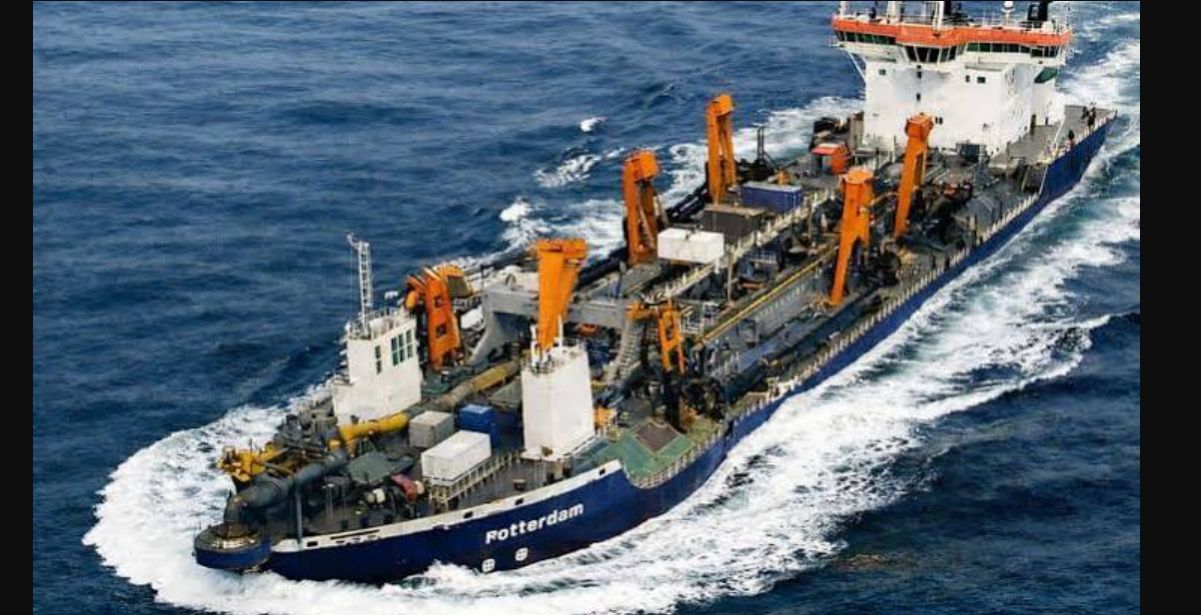

Pakistan’s maritime sector has entered a stronger competitive phase after the completion of dredging work at Karachi Gateway Terminal Limited (KGTL). The development increases channel depth and improves the port’s ability to handle larger vessels efficiently.
As a result, Karachi Port strengthens its position as a key regional trade hub. Moreover, the upgrade supports export growth, reduces logistics costs, and improves supply chain performance for importers and exporters across Pakistan.
Major Technical Upgrades at East Wharf
The dredging project has significantly improved navigational depth in the Upper and Lower Channel to minus 14 meters. In addition, a 450-meter diameter turning circle has been developed at Karachi Port.
At East Wharf, berth depth has reached 15.5 meters across berths 6 to 17. This area includes the container terminal operated by KGTL and the multipurpose terminal operated under Karachi Gateway Terminal Multipurpose Limited (KGTML).
Consequently, the port can now handle deeper-draft vessels with greater efficiency and safety.
Increased Vessel Capacity and Terminal Capability
The upgraded infrastructure now allows KGTL to accommodate container ships up to 350 meters in length and 15.5 meters draft. Previously, the terminal handled vessels around 305 meters in length and 13 meters draft.
Therefore, the improvement increases berth utilization and operational flexibility for shipping companies. It also enhances reliability for international shipping lines calling at Karachi Port.
Additionally, the multipurpose terminal at KGTML can now manage bulk vessels of up to 120,000 metric tons. Earlier capacity stood at approximately 60,000 metric tons.
Investment and International Collaboration
The dredging project forms part of a broader investment program by AD Ports Group, exceeding 200 million dollars across Karachi terminals. The initiative is implemented through Noatum Ports under a concession framework with Karachi Port Trust.
This collaboration combines international expertise with local port authority management. Consequently, it strengthens operational efficiency and modernizes Pakistan’s maritime infrastructure.
Furthermore, the program includes terminal expansion, new cranes, and upgraded cargo handling systems designed to improve long-term productivity.
Economic Impact on Trade and Freight Costs
The deeper port channels improve shipping economics by enabling larger vessels. As a result, freight costs per unit of cargo are reduced significantly.
For Pakistan, this improvement is particularly important because sea freight dominates import and export logistics. Lower transport costs enhance competitiveness for local businesses in global markets.
In addition, improved efficiency helps reduce pressure on foreign exchange reserves by lowering overall logistics expenses.
Expansion of Container and Bulk Handling Capacity
KGTL’s container terminal capacity is expected to increase from 750,000 TEUs to 1 million TEUs annually after ongoing expansion works.
Moreover, new ship-to-shore and yard cranes have been ordered to strengthen cargo handling operations. These upgrades support faster turnaround times and improved port efficiency.
At KGTML, development of warehouses and automated handling systems has already begun. These facilities will support cleaner and more efficient bulk cargo operations, including dust-free loading systems.
Strengthening Pakistan’s Export Infrastructure
The KGTML facility is expected to become Pakistan’s first dedicated bulk export terminal. Once fully operational, it will support up to 8 million tonnes of annual bulk cargo capacity.
This development improves handling for commodities such as clinker and agricultural exports. Therefore, exporters benefit from faster loading, lower costs, and improved global competitiveness.
Additionally, a partnership with Louis Dreyfus Company Pakistan will enhance agri-bulk storage and logistics. This strengthens Pakistan’s agricultural trade infrastructure and improves regional export efficiency.
Improved Efficiency for Importers and Shipping Lines
Importers also gain from the upgraded infrastructure. Larger vessels reduce freight costs for raw materials, commodities, and industrial goods.
Similarly, shipping lines benefit from improved scheduling, deeper draft access, and faster turnaround times at Karachi Port.
Consequently, Karachi becomes a more reliable and attractive destination in regional shipping networks.
Long-Term Strategic Significance
The dredging completion is not only an infrastructure upgrade but also a strategic trade milestone. It positions Karachi Port for long-term growth in global maritime trade.
Moreover, continued investment in terminals, storage systems, and logistics infrastructure supports Pakistan’s broader economic goals.
The modernization also enhances Pakistan’s ability to attract foreign investment in port and logistics sectors.
Conclusion
The completion of dredging at KGTL marks a major transformation for Karachi Port. Deeper channels, larger vessel capacity, and upgraded terminals strengthen Pakistan’s trade ecosystem.
In conclusion, the project improves export competitiveness, reduces logistics costs, and enhances maritime efficiency. Ultimately, it positions Karachi Port as a more modern and globally competitive trade gateway for the future.

