

Beijing denies claims, accuses Washington of attempting to damage China’s reputation
BEIJING: China on Friday firmly rejected US President Donald Trump’s allegations that Beijing interfered in American elections, describing the claims as unfounded and accusing Washington of trying to discredit China ahead of this year’s US midterm elections.
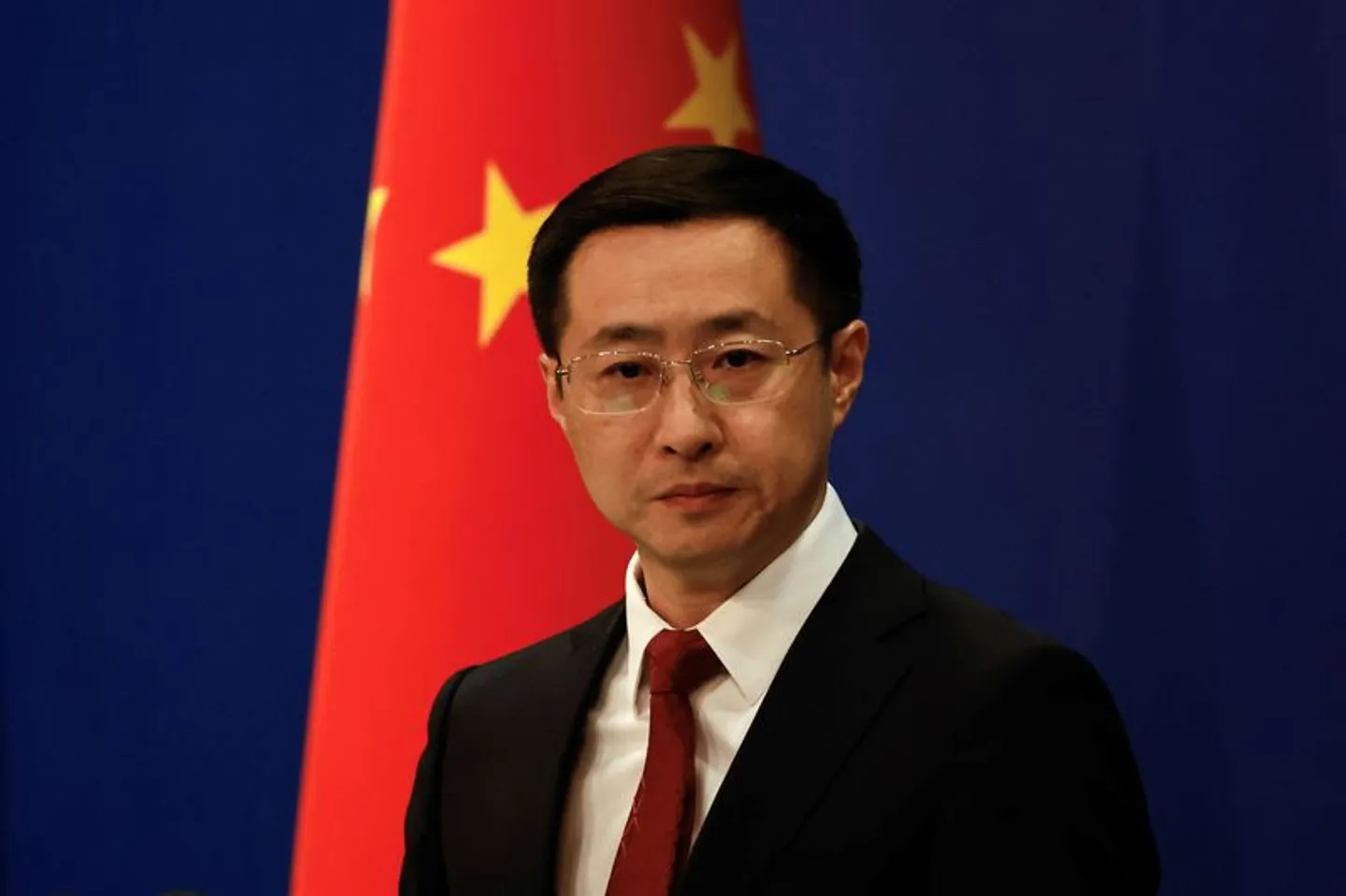
Foreign Ministry spokesperson Lin Jian said the accusations lacked factual evidence and reiterated that China does not interfere in the internal affairs of other countries.
“The US allegations have no factual ground and are aimed at vilifying China,” Lin told reporters during a regular press briefing in Beijing. He added that China has consistently adhered to a policy of non-interference and has “no interest” in influencing US elections.
Trump cites intelligence and voter data claims
The response followed Trump’s primetime address, in which he alleged that China had obtained 220 million US voter files beginning during the 2020 election cycle. He described the incident as the “largest compromise of election data in history” and announced the declassification of intelligence that he said revealed extensive foreign interference and vulnerabilities in the US electoral system.
Trump also referred to a CIA assessment that, according to him, concluded China’s leadership sought to weaken his electoral prospects during the 2020 presidential election.
However, China rejected those assertions, saying similar allegations had surfaced repeatedly in the past without supporting evidence.
Beijing counters with criticism of US actions
Meanwhile, Lin accused the United States of engaging in widespread surveillance and interference around the world. He questioned which country had conducted extensive monitoring of governments, businesses and citizens globally while compromising foreign data on a large scale.
The exchange comes as political tensions between Washington and Beijing remain elevated over trade, technology and national security issues. Additionally, the latest war of words unfolds just months before US voters head to the polls for the November midterm elections, adding another point of friction to an already strained bilateral relationship.

