

Canada and the United States have entered uncertain territory as their trade dispute continues to escalate. The longtime allies and economic partners now face a growing trade war without an obvious path toward resolution.
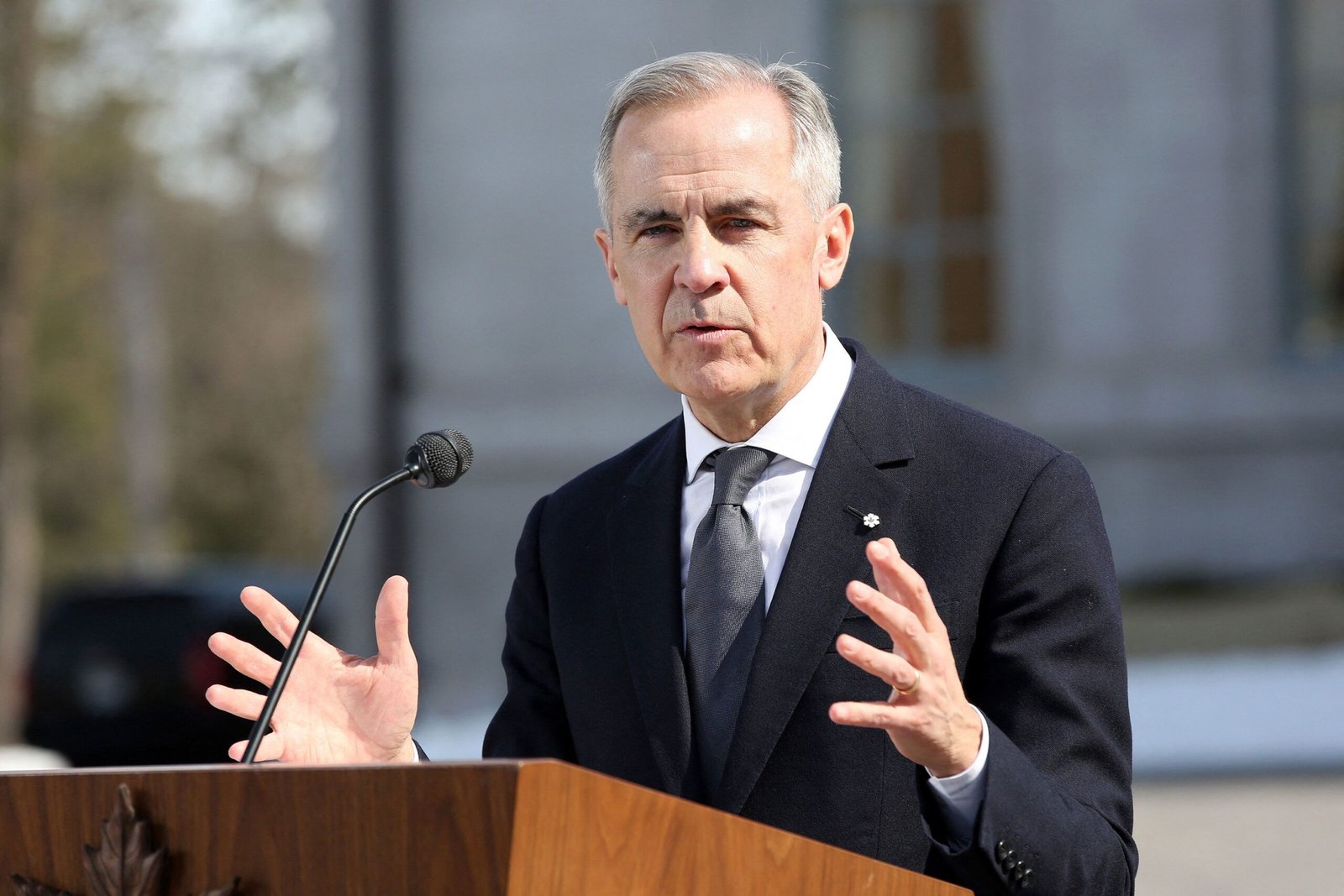
Prime Minister Mark Carney faces a major political test after suspending negotiations with President Donald Trump. Instead of accepting a tentative agreement, Carney chose retaliation and demanded better terms for Canada.
Both governments blamed last-minute changes for derailing the potential deal. Carney argued that Washington demanded too much while offering too little in return.
Carney Defends Decision to Confront Trump
Carney became one of the first world leaders to walk away from negotiations with the White House. Consequently, governments and businesses worldwide will closely watch the outcome of his decision.
The Canadian prime minister must now convince citizens that resisting Trump justifies the economic costs. He said Ottawa took the step because it believed the decision served Canada’s long-term interests.
Carney also accused Washington of using a high-pressure negotiating strategy. When asked whether Canada and the US had entered a trade war, he said Canada had been attacked.
Canada Braces for Economic Pressure
The escalating dispute could create significant challenges for businesses on both sides of the border. US duties and Canadian counter-tariffs are expected to increase pressure on companies and consumers.
Canada sends around 70 percent of its exports to the United States. Meanwhile, Canada remains a major trading partner for several US states, including Michigan, Kentucky, Indiana, and Ohio.
Carney entered office promising an aggressive response to Trump’s America First policies. His “elbows up” message reflected his pledge to defend Canadian interests.
Now, Carney must maintain public support while managing the economic consequences of confrontation. Therefore, the coming months could determine whether his strategy delivers stronger terms or deeper economic pain.

