
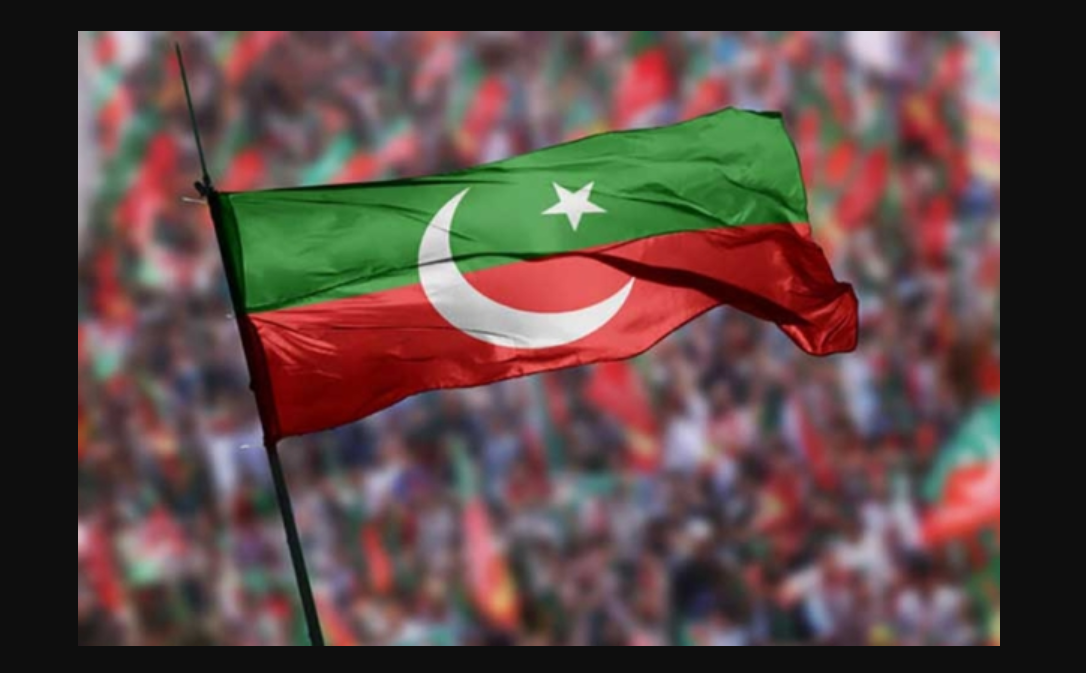

Pakistan Tehreek-e-Insaf (PTI) has constituted a six-member committee aimed at addressing internal differences and improving coordination within its Khyber Pakhtunkhwa chapter.
The move comes as the party seeks to strengthen internal communication and ensure greater harmony among its lawmakers, organizational leadership, and the provincial government.
According to an official notification issued by the party’s provincial secretary general, the committee has been assigned the responsibility of facilitating consultation and coordination among key stakeholders within the party structure.
The initiative reflects PTI’s efforts to streamline decision-making and enhance cooperation at a time when internal unity remains an important priority.
Asad Qaiser Appointed Committee Head
The newly formed committee will be headed by former National Assembly Speaker Asad Qaiser, who will oversee its activities and guide discussions aimed at resolving differences within the provincial chapter.
In addition to Asad Qaiser, the committee includes Khyber Pakhtunkhwa Assembly Speaker Babar Saleem Swati, Provincial Secretary General Ali Asghar Khan, Provincial Minister Mina Khan Afridi, Provincial Minister Akbar Ayub Khan, and PTI Peshawar Region President Atif Khan.
The inclusion of senior party leaders, government representatives, and organizational office-bearers highlights the importance PTI has attached to the committee’s role.
Moreover, the diverse representation is expected to help improve communication between different tiers of the party.
Committee to Improve Coordination
According to the notification, one of the committee’s primary responsibilities will be to strengthen coordination among PTI lawmakers, the parliamentary party, and the provincial government.
Party officials believe that closer consultation among these groups can help improve organizational effectiveness and reduce misunderstandings.
Furthermore, the committee is expected to provide a platform where concerns can be discussed and addressed through collective consultation.
The move is also aimed at ensuring that party decisions are implemented more effectively across different levels of the organization.
Consultative Role for Provincial Leadership
The committee will also serve as a consultative forum for Chief Minister Sohail Afridi, the provincial party president, and the Tehreek Tahaffuz-e-Ayeen-e-Pakistan (TTAP).
Through this arrangement, party leadership will have an additional mechanism for discussing important political and organizational matters.
As a result, key decisions may benefit from broader consultation and input from senior party figures.
Moreover, the consultative framework is expected to support greater alignment between the party organization and the provincial administration.
Focus on Unity and Organizational Stability
Political parties often establish internal committees to address differences, strengthen communication, and improve coordination among leadership tiers.
In PTI’s case, the six-member body is expected to play a role in promoting unity and ensuring smoother interaction between elected representatives and party officials.
Consequently, the committee may help create a more structured approach to resolving concerns and managing internal affairs.
The initiative also signals the party’s intention to address issues through consultation and collective decision-making.
Conclusion
PTI’s decision to establish a six-member committee in Khyber Pakhtunkhwa underscores its focus on strengthening internal coordination and addressing party differences.
Led by Asad Qaiser and comprising senior party leaders, the committee will work to improve communication between lawmakers, the parliamentary party, and the provincial government.
With an additional consultative role for the chief minister and party leadership, the new body is expected to contribute to greater organizational cohesion and political stability within PTI’s Khyber Pakhtunkhwa chapter.

