

Veteran Actress Shares Emotional Reaction to Historical Drama
Pakistani veteran actress Bushra Ansari has shared an emotional response to Diljit Dosanjh’s film Satluj, saying its portrayal of a painful period in Punjab’s history left her deeply disturbed.
Bushra posted a video on social media after watching the film. She described the experience as heartbreaking and praised Diljit for accepting projects that address politically sensitive and controversial historical subjects.
The actress said she had previously heard about the film, but its emotional impact became clear only after she watched it herself. She praised Diljit’s courage and said few prominent performers are willing to speak openly about issues involving injustice, violence and the suffering of communities.
Bushra encouraged audiences to watch the film and reflect on the historical events it presents. She said cinema can help people understand chapters of history that are often forgotten, ignored or excluded from mainstream discussion.
Film Examines Jaswant Singh Khalra’s Human Rights Campaign
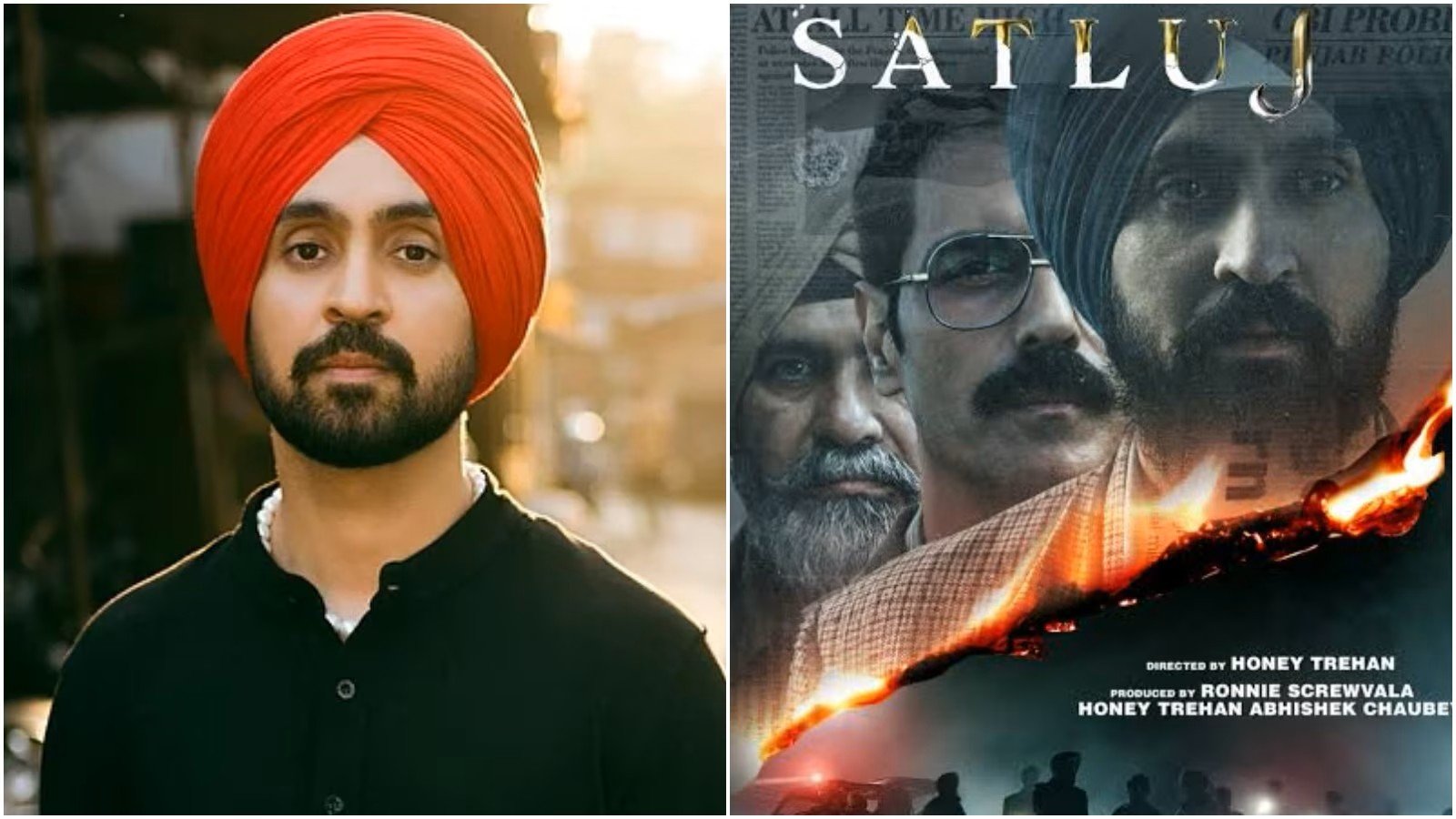
Satluj, previously known as Punjab ’95, is inspired by the life of Sikh human rights activist Jaswant Singh Khalra. Diljit Dosanjh plays the central role in the film, directed by Honey Trehan.
Khalra investigated alleged enforced disappearances, extrajudicial killings and secret cremations during the period of conflict in Punjab in the 1980s and 1990s. His work focused on identifying people whose bodies had allegedly been cremated without proper records or notification to their families.
The activist was later abducted and killed. His case became internationally recognised as an important example of the dangers faced by campaigners investigating alleged state abuses.
The film portrays the emotional cost of Khalra’s investigation and the suffering experienced by families searching for missing relatives. It also examines the personal risks faced by individuals who challenge powerful institutions.
Bushra said the suffering shown in the film made her question how members of one community could inflict such cruelty upon people belonging to their own faith and society.
She also reflected on what she described as the declining presence of principled individuals. According to the actress, people who once stood firmly for truth, justice, their communities and their beliefs appear increasingly rare.
Bushra Says Film Affected Her for Two Days
Bushra revealed that the film’s disturbing scenes and historical subject stayed with her long after the viewing ended.
She said she struggled to sleep for two days because she could not stop thinking about the suffering portrayed in the story.
The actress expressed sorrow over the violence faced by the Sikh community during that period. She described the events presented in the film as extremely painful and called for greater understanding of the human cost behind political conflict.
Her remarks focused not only on the film’s performances but also on its wider message. She suggested that viewers should look beyond political arguments and consider the pain of families who lost relatives or waited for answers about missing loved ones.
Bushra’s emotional review added a Pakistani voice to the growing discussion surrounding the film. Her comments also reflected the shared cultural and historical connections between communities on both sides of Punjab.
Diljit Dosanjh Praised for Accepting Difficult Role
Bushra particularly praised Diljit for using his influence to bring attention to an uncomfortable historical subject.
Diljit is widely known as a singer and mainstream entertainment star, but his performance in Satluj places him at the centre of a serious human rights story.
Viewers and critics have also praised the actor for portraying Khalra with restraint and emotional intensity. Online reactions have described the film as an important watch for people seeking to understand Punjab’s recent history.
Bushra said Diljit’s willingness to participate in such a film demonstrated courage. She argued that artists can play a significant role in presenting difficult truths and encouraging conversations that political or social institutions may avoid.
Her comments highlighted the wider responsibility of filmmakers and actors when dealing with real events. Historical cinema, she suggested, can preserve memories and introduce younger generations to incidents they may not have learned about elsewhere.
Film Removed From ZEE5 in India After Release
Satluj began streaming on ZEE5 in early July after facing years of delays and certification disputes.
However, the film was removed from the platform in India within approximately 48 hours. Its withdrawal triggered criticism from actors, activists and viewers who questioned why audiences were being prevented from watching a film based on documented historical events.
The removal also led to renewed debate about censorship, artistic freedom and the portrayal of alleged human rights abuses in Indian cinema.
Community organisations later arranged screenings in gurdwaras, village grounds and other public spaces in Punjab and Delhi. Supporters said such screenings were necessary because the film presented an important part of history that younger audiences should understand.
Bushra told her followers that the film could still be found online and encouraged them to watch it. However, official availability may differ depending on the viewer’s country and streaming platform.
Social Media Users Debate Film’s Message
Bushra’s remarks quickly attracted attention online. Many users praised her for drawing attention to the film and showing sympathy for the victims portrayed in the story.
Supporters said Diljit and the filmmakers had taken a major risk by bringing the subject to a wider audience. They argued that difficult historical events should be discussed openly instead of being hidden from public view.
Other users responded by asking why artists do not speak with the same confidence about alleged injustices and human rights concerns within Pakistan.
These contrasting reactions turned Bushra’s review into a wider debate about whether public figures selectively address injustice depending on where it occurs.
The discussion also raised questions about the role of cinema in recording history. While dramatic films may not replace academic or legal investigations, they can make complex events accessible to a much larger audience.
Bushra’s response showed the emotional power of historical storytelling across borders. Despite political differences between Pakistan and India, the film’s themes of loss, injustice, courage and accountability resonated with viewers beyond Indian Punjab.

