

Dhaka Summons Indian Diplomat Over Airport Incident
DHAKA: Bangladesh has formally protested the treatment of a senior adviser to Prime Minister Tarique Rahman after he was reportedly detained and questioned for several hours at New Delhi airport, escalating diplomatic tensions between the two neighbouring countries.
Foreign Minister Khalilur Rahman described the incident as “unexpected and unfortunate” and said the government had officially conveyed its concerns to Indian Deputy High Commissioner Pawan Badhe during a meeting in Dhaka late Monday.
According to officials, government strategy adviser Zahed Ur Rahman was stopped by authorities upon arriving in New Delhi to attend a conference. He was reportedly questioned for several hours before being allowed to continue his journey.
Meanwhile, India’s foreign ministry had not issued an official response to the matter at the time of reporting.
Relations Face Fresh Diplomatic Strain
The incident comes amid a sensitive period in Bangladesh-India relations. Although bilateral ties improved following Tarique Rahman’s election victory earlier this year, several contentious issues continue to challenge cooperation between the two countries.
Relations have remained strained since the 2024 uprising that removed former prime minister Sheikh Hasina from power. Since then, Hasina has remained in India despite repeated requests from Bangladesh seeking her extradition.
Consequently, the latest airport episode has added another layer of tension to an already complex diplomatic environment.
Border Disputes Continue to Fuel Concerns
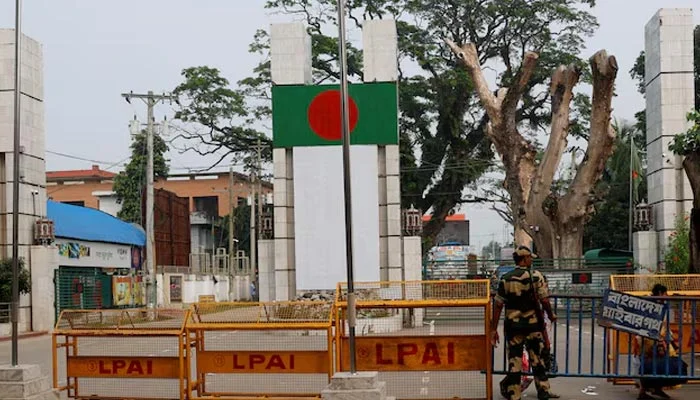
In addition, both countries remain divided over Bangladesh’s allegations that Indian authorities have attempted to push undocumented migrants across the border without following established repatriation procedures.
Bangladeshi officials stated that border forces recently prevented several alleged “push-in” attempts and raised the issue during talks between Border Guard Bangladesh and India’s Border Security Force in New Delhi last week.
Although both sides agreed to strengthen intelligence-sharing and improve coordination along the border, officials acknowledged that the migrant issue remains a significant source of friction.
Observers say the latest diplomatic dispute highlights the challenges both governments face as they seek to maintain stability and cooperation despite unresolved political and border-related concerns.

