

Decision follows reports of pressure over longstanding ties to former prime minister
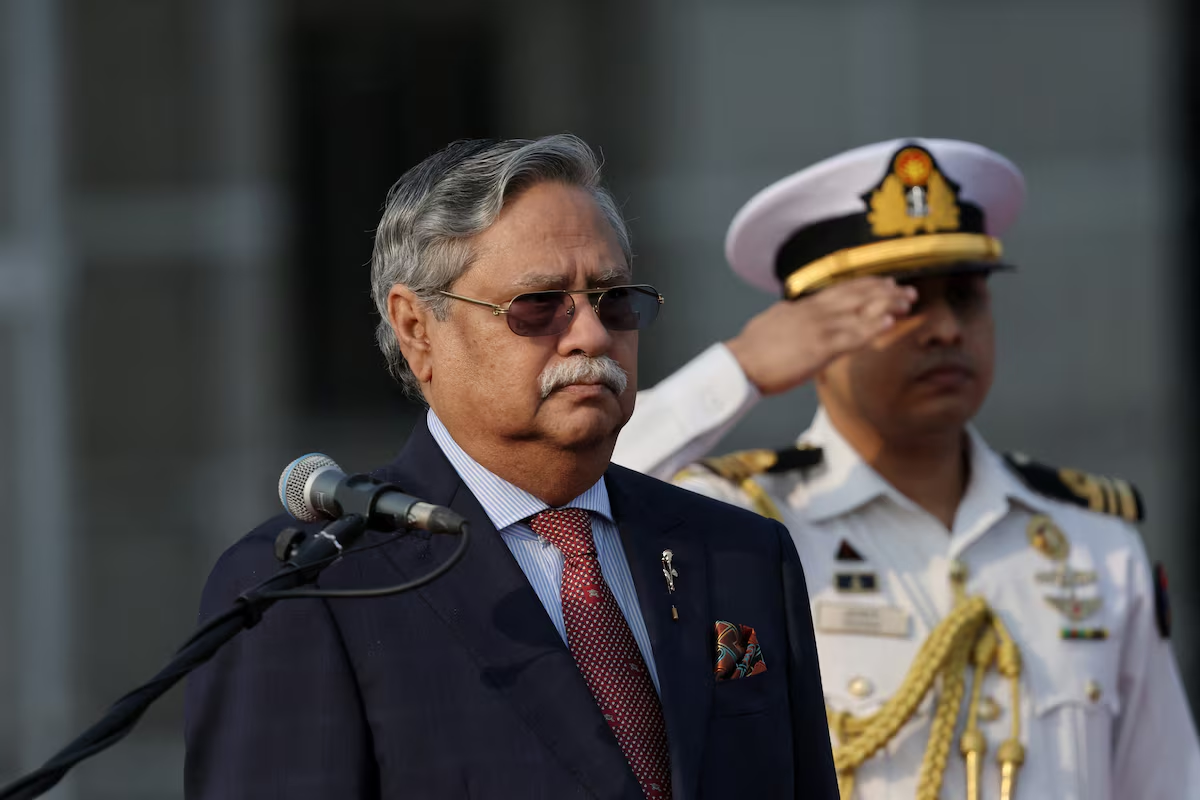
NEW DELHI/DHAKA: Bangladesh President Mohammed Shahabuddin will resign on Friday midway through his five-year term, his spokesperson confirmed on Thursday, marking another significant development in the country’s evolving political landscape.
According to the spokesperson, Shahabuddin will formally submit his resignation after Parliament Speaker Hafiz Uddin Ahmad returns from Thailand. Under Bangladesh’s Constitution, the resignation becomes effective once the speaker receives the signed letter.
Although no official reason was provided, sources familiar with the matter told Reuters that the government urged Shahabuddin to step down because of his longstanding association with former prime minister Sheikh Hasina. The development comes days after Hasina told Reuters that she planned to return from exile later this year and surrender following her conviction by a court.
Constitution outlines transition process
Once Shahabuddin resigns, the Constitution requires the parliamentary speaker to assume the role of acting president until lawmakers elect a new head of state.
While the presidency is largely ceremonial and executive authority rests with Prime Minister Tarique Rahman and his cabinet, the office gained greater significance after the 2024 uprising that forced Hasina to leave Bangladesh and created a political vacuum.
Shahabuddin, 76, was elected unopposed in 2023 as the nominee of Hasina’s Awami League, a party that has since been banned. According to sources, he informed Prime Minister Rahman of his decision earlier this week.
Hasina’s return expected to test government
Hasina’s planned return is expected to challenge the government’s efforts to maintain political stability in the nation of 173 million people.
Last November, Bangladesh’s war crimes court sentenced the former prime minister to death in absentia over allegations linked to the 2024 crackdown on anti-government protests. A United Nations report estimated that nearly 1,400 people were killed during the unrest. Hasina, who remains in exile, has denied all charges.
Despite the ban on the Awami League and the detention or disappearance of many of its leaders and activists, Hasina told Reuters that she and senior party colleagues intend to return around December and surrender before the courts, setting the stage for another major chapter in Bangladesh’s political transition.

