
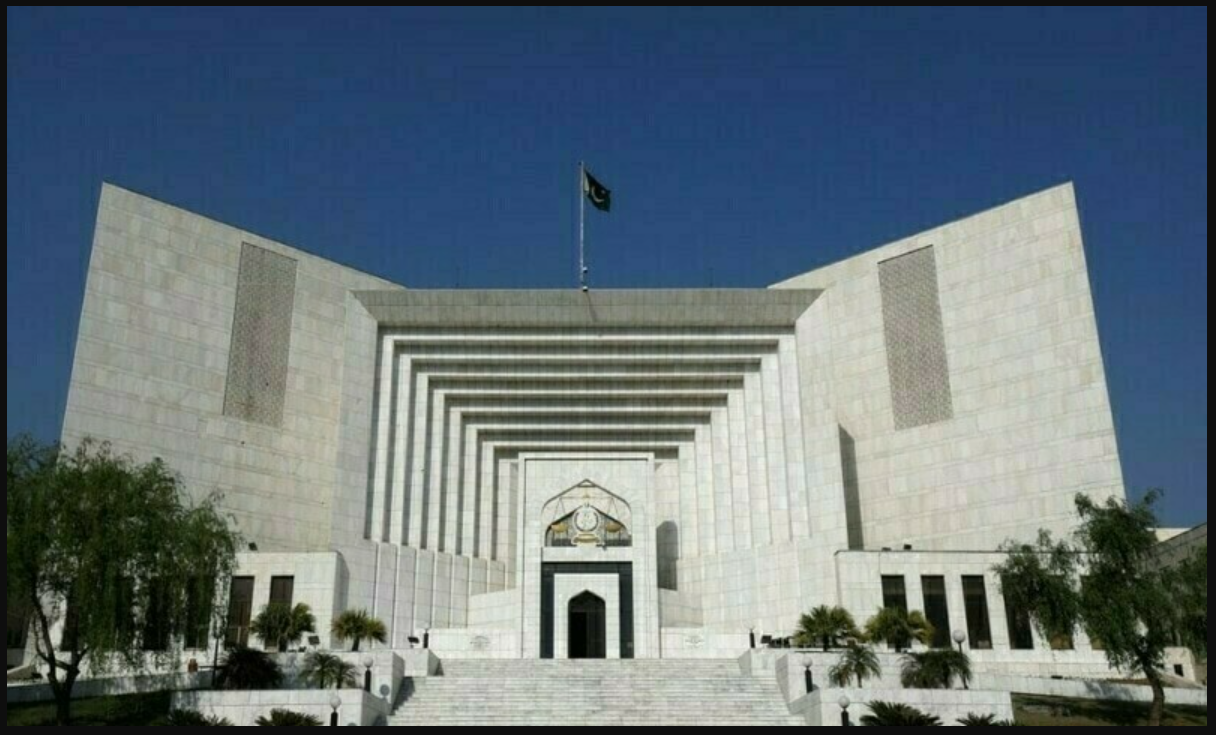

The Supreme Court has stressed that lawyers must remain vigilant and fulfil their professional responsibilities to prevent clients’ cases from being dismissed due to procedural negligence.
In a recent eight-page judgment, Justice Muhammad Ali Mazhar described an advocate’s vigilance as a “foundational requirement” for safeguarding a client’s legal interests. The court also highlighted that clients must actively follow their cases rather than depend entirely on their lawyers.
The judgment restored two civil revision petitions that the Lahore High Court (LHC) had dismissed for non-prosecution. The petitioner’s counsel could not reach the bench because he was suffering from Coronavirus.
A three-member Supreme Court bench, headed by Justice Muhammad Ali Mazhar, announced the decision on Saturday. Justices Musarrat Hilali and Shahid Bilal Hassan were also part of the bench.
The court converted the civil petitions into appeals and set aside the LHC’s February 23, 2026, decision rejecting the restoration applications.
Why Did the Supreme Court Restore the Dismissed Cases?
The matter originated when Safdar Ali Butt approached the Lahore High Court with two civil revision petitions. However, the court dismissed both cases for non-prosecution on February 2, 2026.
The petitioner’s lawyer, Shahid Azeem Bajwa, was present at the court but could not reach the bench in time. He was suffering from Coronavirus and faced difficulty approaching the judges because of the crowd inside the courtroom.
Although the lawyer rushed inside after his case was called, he could not appear before the bench.
The petitioner subsequently demonstrated urgency by filing restoration applications on February 3, just one day after the dismissal. However, the LHC rejected those applications on February 23, prompting the petitioner to approach the Supreme Court.
While examining the circumstances, Justice Mazhar referred to the legal maxim “Vigilantibus et non dormientibus jura subveniunt”. The principle means that the law assists those who remain vigilant rather than those who neglect their rights.
The judgment explained that this principle applies to legal professionals worldwide and reinforces the importance of diligence throughout court proceedings.
Supreme Court Highlights Lawyers’ Professional Responsibilities
Justice Mazhar observed that clients ultimately suffer when their advocates fail to recognise their professional responsibilities. Such failures become particularly damaging when clients have placed their confidence and trust in legal representatives.
The judgment stressed that lawyers must carefully monitor hearing dates, cause lists and courtroom assignments. These precautions can prevent cases from being missed because of avoidable human errors.
Furthermore, advocates must make every reasonable effort to protect their clients’ interests throughout legal proceedings.
The Supreme Court also outlined several responsibilities that lawyers must observe:
- Monitor hearing schedules: Lawyers should regularly check case fixation dates, cause lists and assigned court benches.
- Maintain communication: Advocates must keep clients informed about case developments, potential risks and available settlement offers.
- Avoid conflicts of interest: Lawyers should protect their clients’ interests and maintain professional integrity.
- Arrange alternative representation: When court commitments overlap, advocates should arrange another lawyer to hold their brief.
- Request adjournments properly: Lawyers should submit adjournment applications in advance and inform opposing counsel.
Justice Mazhar further explained that advocates must maintain professional standards, even when unexpected scheduling difficulties arise.
He emphasised that lawyers should not leave clients without representation because of simultaneous commitments in different courts.
Clients Must Also Remain Vigilant About Their Cases
The Supreme Court also made it clear that responsibility does not rest entirely with lawyers. Clients must actively pursue their cases and remain aware of important developments.
Justice Mazhar observed that litigants should not leave everything to their advocates. They must also avoid deliberately ignoring proceedings or exploiting their lawyers’ negligence.
The judgment criticised situations where parties and their lawyers repeatedly fail to appear despite receiving several opportunities from the court.
Sometimes, litigants deliberately disappear or avoid presenting evidence to delay proceedings and prevent timely decisions on merit.
The court considered such conduct particularly concerning because it undermines the judicial process and wastes valuable court time.
Negligence Can Lead to Professional Misconduct Complaints
The judgment also warned that dismissals caused by unjustified professional negligence can seriously damage a lawyer’s reputation.
Justice Mazhar described dismissal for non-prosecution as a reflection of professional incompetence and a breach of the trust clients place in their advocates.
Such circumstances can also lead clients to file professional misconduct complaints against lawyers before the relevant Bar Councils.
These complaints fall under the Legal Practitioners and Bar Councils Act, 1973.
However, the Supreme Court clarified that procedural negligence does not automatically prevent courts from restoring dismissed cases.
When Can Courts Restore Cases Dismissed for Non-Prosecution?
While stressing professional accountability, the Supreme Court recognised the importance of restoring cases when sufficient grounds justify such relief.
Justice Mazhar explained that courts possess discretionary powers to revive proceedings dismissed in default. However, applicants must establish sufficient cause and satisfy the applicable legal requirements.
A promptly filed restoration application within the limitation period can strengthen a litigant’s request. The applicant must also provide a satisfactory explanation for missing the hearing.
The judgment observed that courts generally favour a compassionate approach when genuine circumstances explain an absence.
It also emphasised that cases should ordinarily receive decisions on their merits rather than end because of technical mistakes or procedural oversights.
Nevertheless, the court clarified that leniency does not guarantee automatic restoration.
Justice Mazhar stressed that courts must maintain a balance between genuine hardship and deliberate negligence.
The judgment stated that “the scale of justice neither tilts towards automatic dismissal nor automatic restoration, but it should be with a balanced frame of mind and also subject to the law of limitation to ward off and protect a genuine litigant from suffering due to counsel’s blunders, while delineating a strict dividing line against premeditated recklessness and genuine and honest grounds pleaded for restoration of the case to its original position”.
Medical Emergencies Can Justify Restoration
The Supreme Court also recognised that unexpected circumstances can prevent lawyers or litigants from attending hearings.
Justice Mazhar explained that force majeure events, physical incapacitation and medical emergencies can constitute convincing grounds for restoring dismissed cases.
Courts may exercise their inherent or discretionary powers in such situations to ensure justice. They may also impose costs when considered appropriate.
In the present case, the lawyer’s Coronavirus infection and the circumstances surrounding his inability to reach the bench supported the restoration request.
The judgment ultimately reinforced the importance of deciding actual disputes instead of allowing procedural complications to defeat legitimate claims.
Concluding its observations, the Supreme Court reiterated that procedural rules must facilitate fair judicial outcomes rather than prevent them.
“The rules of procedure are meant to serve justice and not obstruct it,” the judgment concluded.
For the latest updates, visit and follow The Truth International website (www.thetruthinternational.com) and subscribe to the YouTube Channel.

