
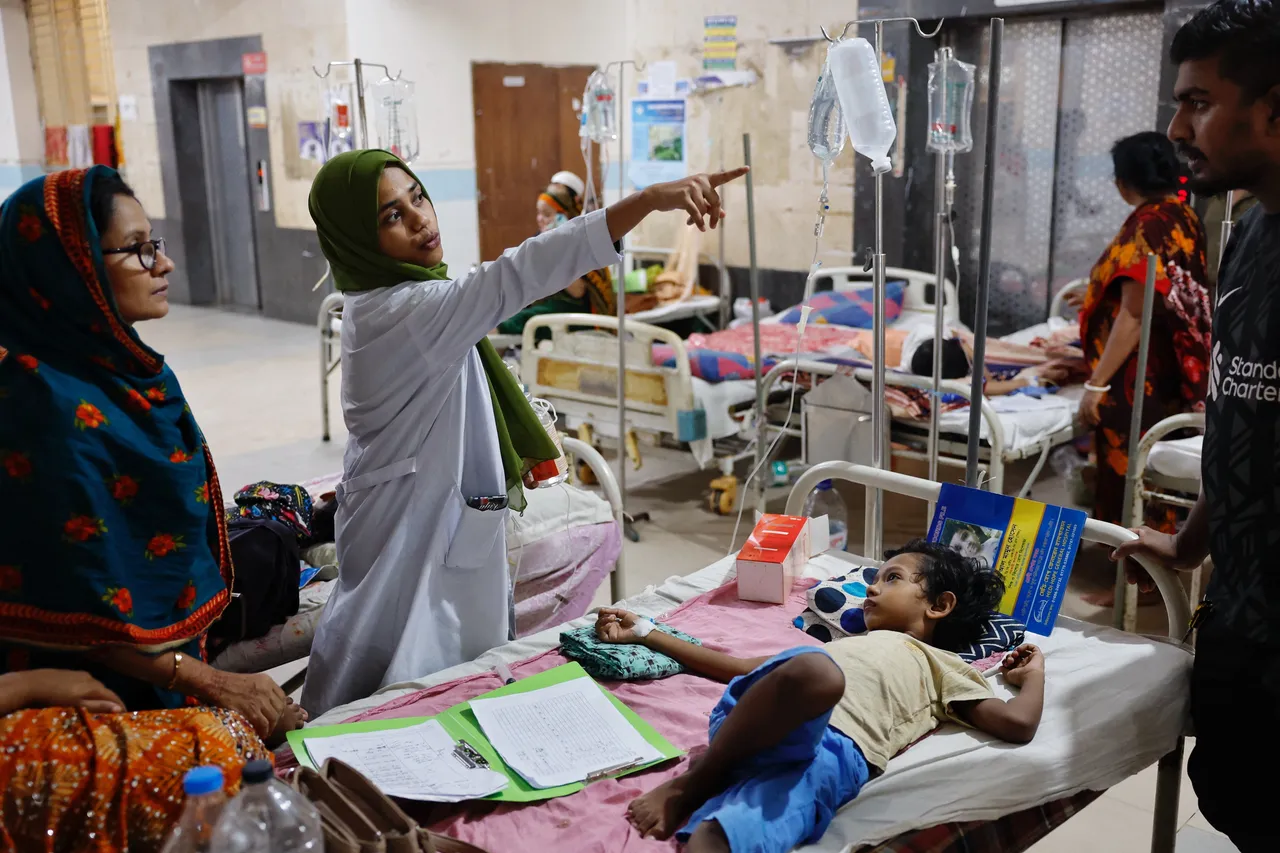

Health specialists cite monsoon conditions and limited mosquito control as major concerns
Bangladesh could experience a sharp rise in dengue infections over the next two months as favourable weather conditions and insufficient mosquito control efforts accelerate the spread of the disease, health experts have warned.
According to data released by the Health Ministry, dengue cases have increased rapidly in recent weeks. Reported infections rose from 714 at the end of May to 5,924 by the close of June, while the death toll climbed from one to 18 during the same period.
Entomologist Professor Kabirul Bashar of Jahangirnagar University said dengue infections in Dhaka could at least double in July compared with June before increasing three to four times by August. However, he warned that districts outside the capital could face an even steeper rise in infections.
Bangladesh experienced its deadliest dengue outbreak in 2023, when more than 321,000 people contracted the virus and 1,705 lost their lives.
Authorities urged to strengthen surveillance and prevention measures
Health experts attributed the growing threat to heavy rainfall, warm temperatures and high humidity, which have created ideal breeding conditions for mosquitoes that transmit dengue. They also warned that current mosquito control efforts have failed to keep pace with the expanding outbreak.
Professor Bashar called on the government to establish a nationwide early warning system capable of identifying mosquito breeding sites and emerging infection hotspots. He said faster detection would enable authorities to respond more effectively and alert communities before outbreaks escalate.
Meanwhile, Bangladesh’s healthcare system continues to face additional pressure from one of the country’s worst measles outbreaks in decades. Since mid-March, authorities have reported more than 100,000 suspected measles cases, over 10,000 confirmed infections and more than 700 deaths.
Public health experts stressed that immediate preventive measures, stronger surveillance and improved vector control remain essential to limiting the spread of dengue during the peak monsoon season. They cautioned that the opportunity to contain the outbreak is rapidly narrowing as transmission continues to increase across the country.

