
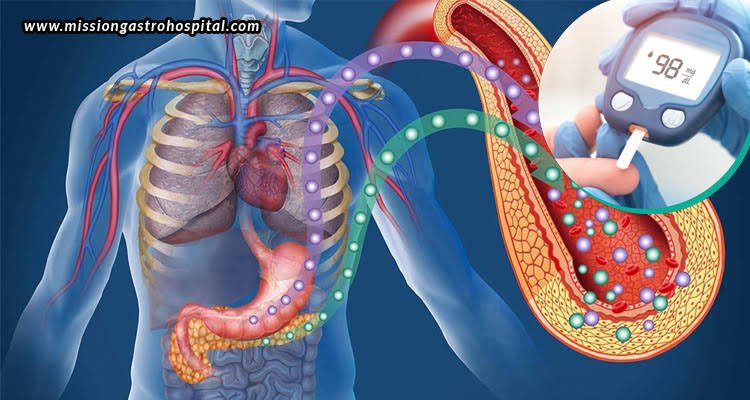

Study Highlights Gut Role in Diabetes Management
A growing body of scientific research is showing a strong link between gut health and blood sugar control.
Researchers say the gut contains trillions of microorganisms that may influence glucose regulation, insulin sensitivity and overall metabolic health.
This system is known as the gut microbiota. It includes bacteria, fungi, viruses and other microorganisms living in the digestive tract.
Experts say a healthy gut does not mean using colon cleansing products. It means having a balanced and diverse microbiome. This balance supports digestion, immunity, nutrient absorption and blood sugar control.
For people managing diabetes, this connection may be important. A healthier gut may help reduce inflammation and improve the way the body responds to insulin.
How Gut Bacteria Affect Blood Sugar
Beneficial gut bacteria break down dietary fiber and produce short-chain fatty acids. These compounds include butyrate, acetate and propionate.
Researchers say these fatty acids may help improve insulin sensitivity. They may also reduce inflammation and support better glucose control after meals.
Short-chain fatty acids can also increase hormones linked to appetite and insulin release. One key hormone is GLP-1, which helps the body release insulin and slows the absorption of carbohydrates.
A balanced microbiome may also reduce harmful gut inflammation. This is important because inflammation is linked with insulin resistance.
Experts say too much added sugar can disturb the gut environment. It may increase harmful bacteria and reduce beneficial bacteria. This imbalance may affect digestion, cravings, energy levels and blood sugar stability.
Healthy Lifestyle Habits Can Support the Gut
Researchers suggest that fiber-rich foods can support beneficial gut bacteria. Whole grains, legumes, seeds, vegetables and fruits may help improve microbiome diversity.
Fermented foods may also support gut health because they contain useful bacteria. However, people with diabetes should choose options without added sugar.
Hydration is also important. Water supports digestion and helps fiber move through the body.
Light activity after meals may help muscles absorb glucose more efficiently. A short walk after eating may support better post-meal blood sugar control.
Stress management is another important factor. High stress can disturb gut bacteria and raise blood sugar through stress hormones.
Experts also warn against unnecessary detox products, harsh cleansing supplements and extreme diets. These may disturb the microbiome instead of improving it.
People with diabetes should speak to a doctor before using probiotic supplements or making major diet changes.
The research suggests that gut health, blood sugar and mental well-being are closely connected. A balanced gut may support better energy, improved digestion, lower cravings and more stable glucose levels.

