
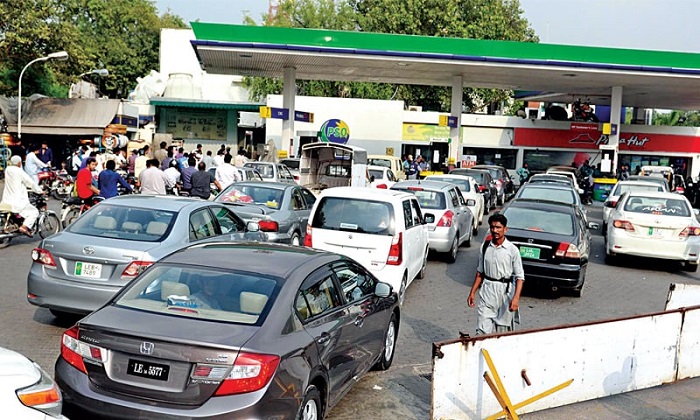

ISLAMABAD: The federal government’s energy conservation campaign has contributed to a significant decline in petroleum consumption, reducing import costs and easing pressure on foreign exchange reserves. However, economists say the broader economic impact of the initiative remains limited.
The federal government launched the campaign with an estimated annual foreign exchange saving target of $1.5 billion to $2.7 billion. To achieve this goal, authorities restricted the use of official vehicles, reduced business operating hours, modified attendance systems in government offices, and introduced other energy-saving measures.
Recent data indicates that petroleum consumption has continued to decline. In May 2026, total sales by oil marketing companies dropped 23 percent year-on-year to 1.17 million tonnes. Excluding furnace oil, sales stood at 1.14 million tonnes, marking the lowest May figure recorded in the past 13 years.
Higher fuel prices also contributed to weaker demand. During the period, petrol averaged around Rs402 per litre, while diesel averaged approximately Rs401.46 per litre. Consequently, diesel sales fell to a record low of 450,000 tonnes.
Petrol sales also declined compared with the previous year. Meanwhile, furnace oil recorded the steepest fall in demand. Experts attributed this decline to increased hydropower generation and the wider availability of alternative energy sources.
Economists noted that lower fuel consumption reflects more than successful conservation efforts. They argued that slowing economic activity and reduced purchasing power have also played a major role in weakening demand.
At the same time, the government continued to rely on the petroleum levy as a key revenue source. Official figures show that levy collections rose from approximately Rs119 billion in fiscal year 2023-24 to around Rs122 billion in fiscal year 2024-25. Moreover, more than Rs120 billion had already been collected during the first nine months of fiscal year 2025-26.
Economist Khalid Rasool described the austerity campaign as a positive step. However, he said visible traffic levels suggest fuel consumption among the public has not declined substantially. He added that administrative measures alone cannot deliver a lasting reduction in national energy use.

