
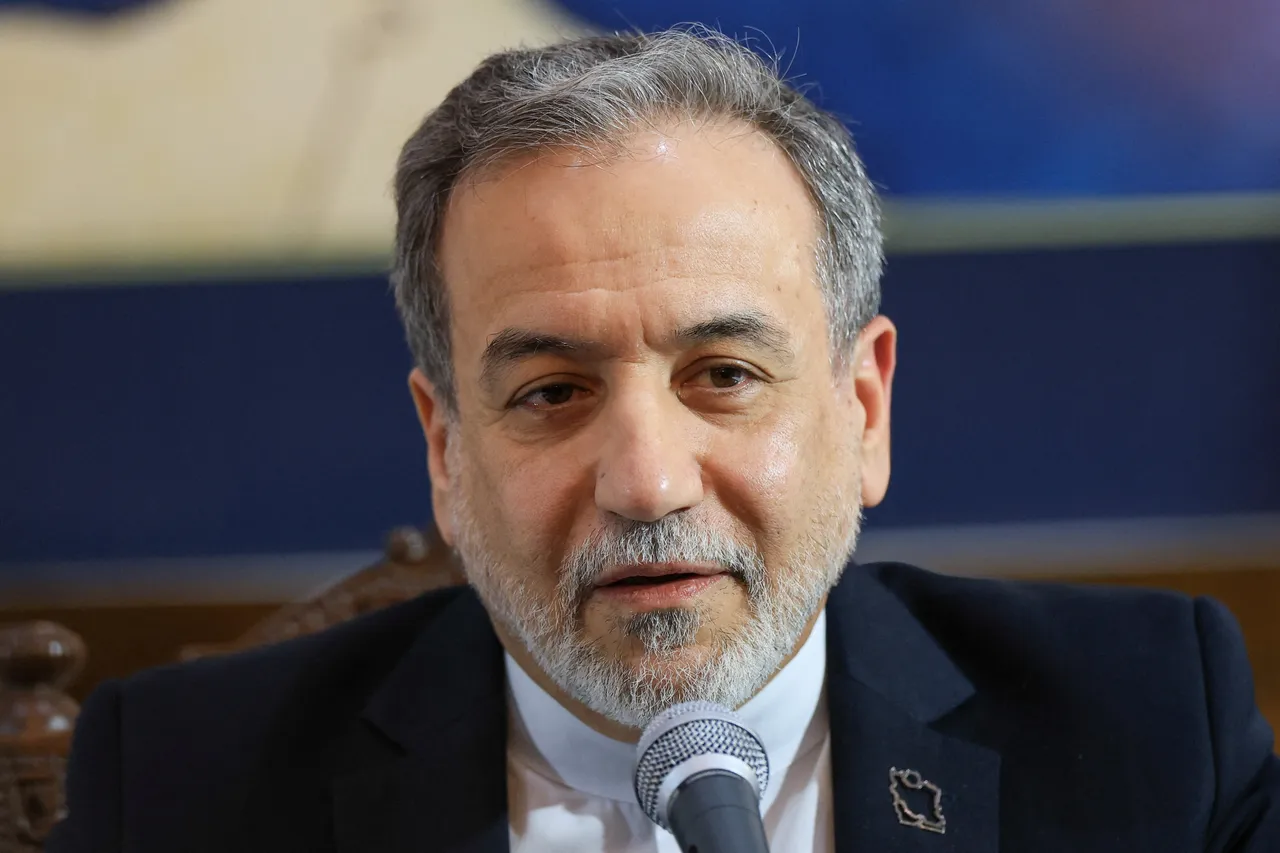

Iranian Foreign Minister Calls Speculation Unrealistic
Iranian Foreign Minister Abbas Araghchi has downplayed the possibility of a meeting between Supreme Leader Mojtaba Khamenei and US President Donald Trump, rejecting suggestions that such an encounter could take place in the near future.
The remarks came after Trump told the New York Post that he would be willing to meet Iran’s supreme leader. When asked about a potential meeting, the US president said he would like such talks to happen and suggested that a meeting could occur depending on future developments.
However, Araghchi dismissed the idea during an interview with Lebanese broadcaster Al Mayadeen, arguing that observers should remain realistic about current political circumstances.
Referring to reports about Trump’s comments, the Iranian foreign minister said discussions about a possible meeting did not reflect the realities of the situation. His remarks signaled continued distance between Tehran and Washington despite ongoing diplomatic contacts aimed at reducing regional tensions.
The comments come as negotiations between Iran and the United States continue in search of a more lasting arrangement following months of conflict and instability.
Foreign Minister Highlights Leader’s Role in National Affairs
During the interview, Araghchi also discussed the role of Supreme Leader Mojtaba Khamenei, who assumed leadership in March following the death of his father, Ali Khamenei, during US-Israeli strikes on February 28.
The foreign minister said the new supreme leader remains actively involved in managing state affairs and maintains full oversight of key national issues. According to Araghchi, Khamenei exercises effective leadership despite his limited public appearances since taking office.
Furthermore, Araghchi attributed the supreme leader’s absence from public view to security concerns linked to the regional conflict and ongoing threats resulting from the war.
The minister also revealed that he was present inside the supreme leader’s office during the attack that killed Ali Khamenei but survived because he was located in another section of the building.
The strikes that killed the former leader triggered a series of Iranian missile and drone attacks targeting Israel and US allies across the Gulf region. Although a fragile ceasefire has remained in place since April, diplomatic efforts have yet to produce a comprehensive agreement.
Consequently, significant differences continue to separate Tehran and Washington, leaving uncertainty over future negotiations and any potential high-level engagement between the two sides.

