
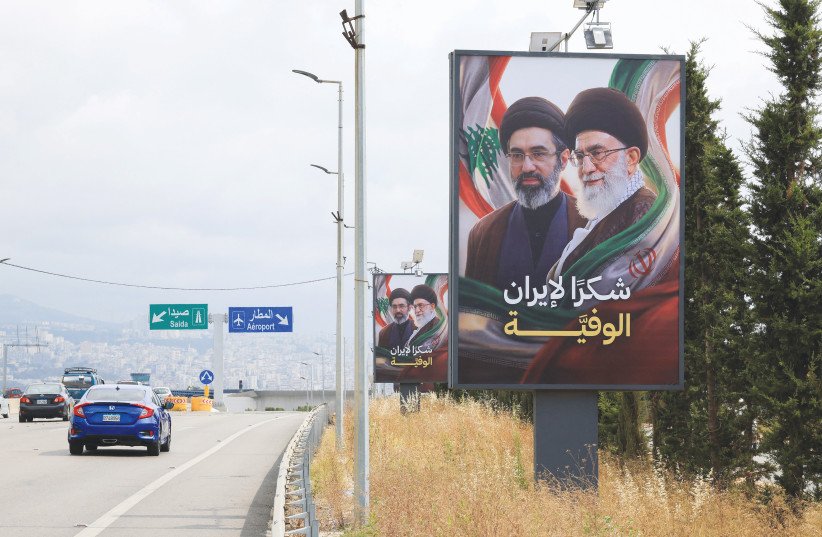

Commentators warn sanctions relief could reshape Middle East while Lebanon remains central to Tehran’s strategy
Political analysts have raised fresh questions over the long-term viability of the emerging US-Iran framework, warning that the proposed agreement could significantly reshape the Middle East’s strategic landscape while leaving key regional disputes unresolved.
Commentators have drawn comparisons between the current understanding and the 2015 nuclear agreement, arguing that both initiatives rely on the expectation that economic engagement will encourage policy changes in Tehran. They note, however, that the earlier accord ultimately collapsed after the United States withdrew and reimposed sanctions.
Analysts suggest the latest framework could restore Iran’s economic position through sanctions relief, access to frozen assets and renewed trade, potentially strengthening Tehran’s regional influence rather than limiting it.
Regional powers remain cautious
Observers believe Israel is likely to remain sceptical of any agreement that significantly eases pressure on Iran. They argue Israeli leaders may seek stricter conditions during future negotiations while expressing concerns over Tehran’s growing military and political capabilities.
Supporters of the framework, however, maintain that the agreement offers an opportunity to reduce tensions, reopen diplomatic channels and prevent further military confrontation. Even so, analysts caution that several core issues remain unresolved, leaving uncertainty over the agreement’s long-term survival.
They also warn that if negotiations fail to address broader security concerns, regional rivalries could intensify despite the temporary easing of hostilities.
Lebanon continues to feature prominently
Meanwhile, Lebanese political commentators argue that Lebanon remains central to Iran’s regional strategy despite the latest diplomatic developments.
They contend that Tehran continues to view Lebanon as an important strategic asset through its relationship with Hezbollah and is unlikely to reduce its influence regardless of broader negotiations with Washington.
According to these assessments, although the memorandum of understanding calls for ending military operations and respecting Lebanese sovereignty, the country’s political future remains closely linked to wider regional negotiations.
Analysts conclude that while the emerging framework may reduce immediate tensions, its ultimate success will depend on whether future negotiations produce lasting solutions to the region’s broader political and security challenges.

