
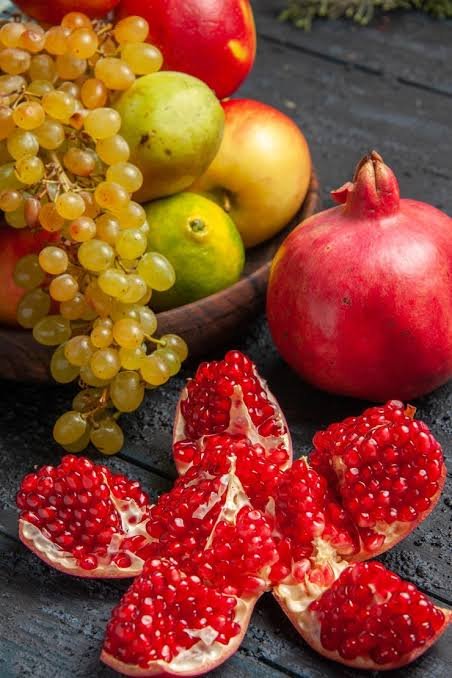

Berries, Apples, and Citrus Support a Healthy Microbiome
Fruits can play an important role in reducing inflammation and supporting digestive health.
Many fruits contain fiber, antioxidants, vitamins, and plant compounds that help nourish good gut bacteria. These nutrients may also support a healthier immune response and improve overall wellness.
Berries are among the best anti-inflammatory fruits. Blueberries, strawberries, raspberries, and blackberries are rich in anthocyanins. These antioxidants give berries their deep red, blue, and purple colors.
Anthocyanins may help increase beneficial probiotic bacteria in the gut. A stronger gut microbiome can support digestion, immunity, and inflammation control.
Apples are another gut-friendly fruit. They contain pectin, a soluble fiber that feeds helpful gut bacteria. When gut bacteria break down pectin, they produce butyrate. Butyrate is known for its anti-inflammatory benefits.
However, apples may not suit everyone. People with irritable bowel syndrome or sensitive digestion may react to fermentable fibers. In such cases, apples can worsen bloating, gas, or discomfort.
Citrus fruits such as oranges, lemons, and grapefruits also support gut and immune health. They contain flavanones, which are antioxidant compounds found in citrus juice and peels.
Citrus fruits are also rich in vitamin C. This important nutrient supports immunity and may help reduce inflammation. It can also support bowel movement in some people.
Pomegranates, Grapes, and Cherries Offer Powerful Antioxidants
Pomegranates are packed with polyphenols. These plant compounds may help protect the body from inflammation and oxidative stress.
When digested, pomegranate compounds can form urolithin. This compound may support healthy aging, reduce inflammation, and protect heart function.
Pomegranates may also support gut health by helping control harmful bacteria and encouraging a healthier microbiome.
Grapes are another strong option. They contain resveratrol, a plant compound known for antioxidant and anti-inflammatory effects.
Resveratrol may help fight harmful bacteria and fungi. It also supports cellular protection against oxidative damage.
Cherries are rich in vitamins A, C, and E. These vitamins act as antioxidants and help protect the body from inflammation.
Both sweet and tart cherries contain polyphenols. They also provide fiber, which helps feed beneficial gut bacteria.
A cup of pitted sweet cherries contains around 2.5 grams of fiber. This makes cherries a useful choice for digestive support.
Kiwis and Prunes Help Digestion and Regularity
Kiwis are especially helpful for people dealing with constipation.
They can support bowel movement frequency, reduce straining, and improve stool consistency.
Kiwis are also rich in vitamin C, fiber, folate, potassium, and antioxidants. One cup of kiwi contains around 5 grams of fiber, making it useful for gut health.
Prunes are also well known for digestive support.
They contain a strong amount of fiber and may help improve bowel regularity. Around 100 grams of prunes provides about 6.3 grams of fiber.
Prunes may also support healthy gut bacteria. They are also a good source of vitamin K, which supports bone health.
Although fruits offer many health benefits, they may not work the same way for everyone.
People with gut imbalance, IBS, or food sensitivities should be careful. Some fruits may trigger bloating, cramps, gas, or diarrhea.
A balanced approach is best. Anyone with ongoing digestive problems should consult a qualified health professional or dietitian before making major dietary changes.

