
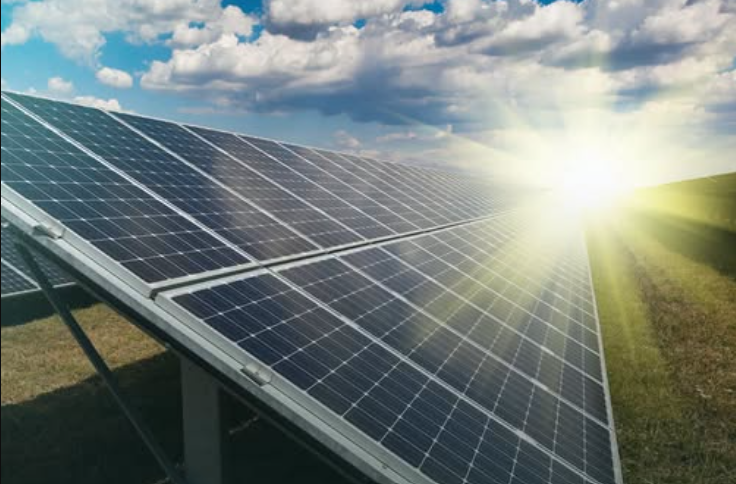

A major solar energy project in Sindh has fallen well short of its original generation target, according to a final evaluation.
The World Bank’s Independent Evaluation Group (IEG) rated the Sindh Solar Energy Project’s overall performance as unsatisfactory. The more than $93 million programme closed in July 2025 after failing to meet several key objectives.
The project originally aimed to develop 400 megawatts (MW) of utility-scale solar capacity. It also planned another 20MW through distributed solar systems. However, only 35MW of solar generation capacity was ultimately delivered.
Sindh Solar Project Falls Short of 400MW Target
The evaluation identified several reasons behind the major shortfall. These included delays in land allocation and difficulties securing grid-related approvals.
Meanwhile, weak coordination between federal and provincial authorities also affected progress. Limited technical and institutional capacity further contributed to delays.
As a result, major utility-scale solar plans failed to progress as originally expected. Several planned projects either stalled or were eventually cancelled.
Solar Park Projects Stalled in Karachi and Jamshoro
Three solar park sites were prepared under the project in Karachi and Jamshoro. The sites included Deh Halkani, Ban Murad, Deh Mitaghar and Manjhand.
Private companies started construction work at the designated Karachi sites. However, the projects later stalled during implementation.
At Manjhand in Jamshoro, delays in securing grid approval prevented the project from reaching the bidding stage. Consequently, the project was eventually cancelled.
Rooftop Solar Project Performs Better
While utility-scale projects struggled, the distributed solar component delivered stronger results.
Rooftop solar systems with a combined capacity of 35MW were installed on public buildings. This exceeded the original 20MW target for distributed solar systems.
The project also supported solarisation at 33 key healthcare facilities. In addition, battery storage systems were installed to help public facilities manage power outages.
The programme also improved or provided electricity access to more than 1.01 million people. This represented around 84% of the original target.
The project performed particularly well in reaching female-headed households. A total of 76,241 households benefited, compared with the original target of 4,000.
Project Faced Delays and Financing Shortfall
The Sindh Solar Energy Project received approval in June 2018. It became effective in June 2019 and was initially scheduled to close in September 2023.
However, the closing date was extended by around 22 months. Management challenges and the impact of the Covid-19 pandemic contributed to the extension.
The project was initially estimated to cost $105 million. This included a $100 million World Bank credit and $5 million from the Sindh government.
However, exchange-rate fluctuations reduced World Bank financing to around $93 million. Meanwhile, the Sindh government provided only $2 million of its original $5 million commitment.
World Bank Evaluation Calls for Better Coordination
The final evaluation highlighted the need for stronger coordination in future sub-national energy projects.
It recommended clearer coordination mechanisms between federal and provincial authorities. Such mechanisms could help ensure timely grid approvals and other regulatory clearances.
The Sindh project therefore delivered some important solar and electricity-access benefits. However, its limited progress on utility-scale generation left it significantly short of its central solar capacity target.
For the latest updates, visit and follow The Truth International website (www.thetruthinternational.com) and subscribe to the YouTube Channel.

