
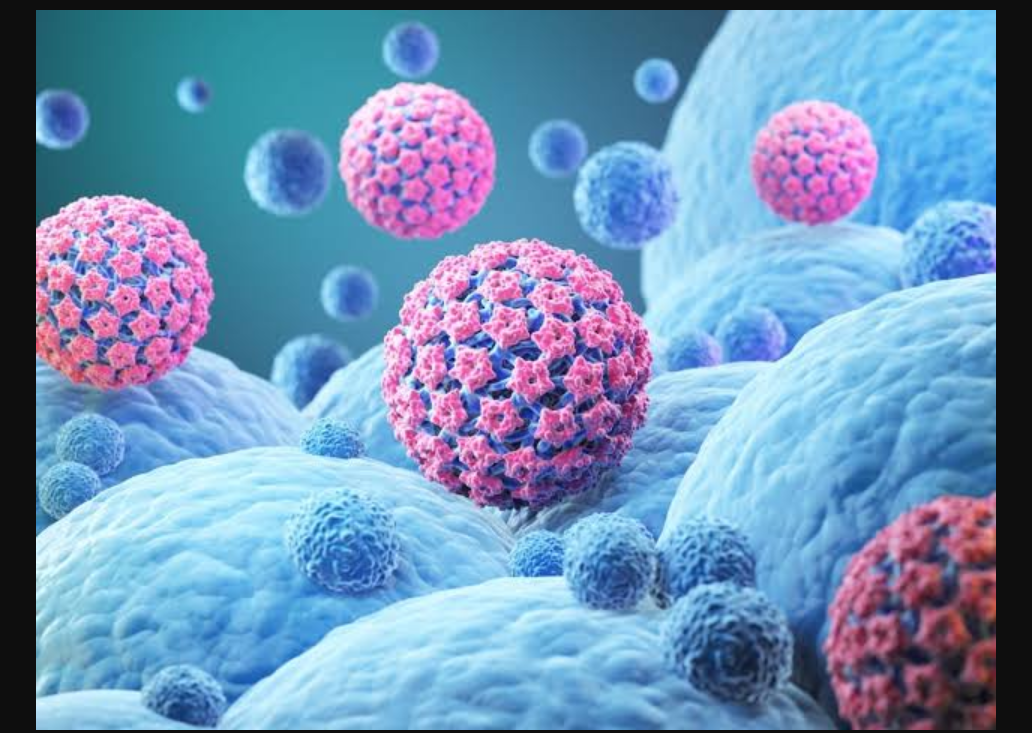

Around 2.3 million new cancer cases worldwide in 2024 were linked to infections, according to a major study. That figure represents nearly 12% of all cancer cases recorded globally during the year.
The findings highlight an important but preventable part of the global cancer burden. Researchers identified several infections responsible for most infection-related cancer cases. They said vaccination, testing and timely treatment could prevent many of these cancers.
Five infections accounted for the overwhelming majority of cases. They included Helicobacter pylori, human papillomavirus (HPV), hepatitis B, hepatitis C and Epstein-Barr virus (EBV).
Five Infections Linked to Most Cancer Cases
Helicobacter pylori, commonly known as H. pylori, accounted for around 760,000 cancer cases. That figure represented approximately 4% of all cancer cases worldwide.
HPV followed closely, with about 750,000 infection-linked cases. Hepatitis B was associated with around 360,000 cases, while EBV accounted for approximately 260,000.
Hepatitis C was linked to another 160,000 cancer cases globally.
David Greenberg of Hackensack Meridian Jersey Shore University Medical Center said the findings highlight the potential for prevention. Better control of cancer-causing infections could therefore reduce a significant portion of the global cancer burden.
How Infections Can Lead to Cancer
Some infections can trigger long-term changes in the body that increase cancer risk. However, the risks and prevention options differ between infections.
HPV is a common sexually transmitted infection. Certain HPV types can cause cervical, anal, genital, mouth and throat cancers.
HPV vaccination can prevent infection with cancer-causing types. The vaccine works best when given before a person becomes sexually active.
Hepatitis B and hepatitis C can cause chronic liver damage. Over time, this damage can lead to cirrhosis and liver cancer.
Hepatitis B can be prevented through vaccination. Doctors can also treat the infection with antiviral medicines, although treatment usually does not cure it.
There is currently no vaccine for hepatitis C. However, direct-acting antiviral medicines can cure more than 90% of patients. Treatment usually takes two or three months.
H. Pylori Remains a Major Cancer-Causing Infection
H. pylori is considered the most common bacterial cause of cancer. The bacterium can cause stomach ulcers and increase the risk of stomach cancer.
It may also contribute to a rare type of lymphoma and possibly colorectal cancer.
The infection can spread through saliva and contaminated food or water. It occurs more frequently in lower-income countries, with most infections developing during childhood.
Doctors can treat H. pylori with antibiotics and medicines that reduce stomach acid. Early detection and treatment can therefore help reduce its long-term health impact.
EBV and Other Cancer-Linked Viruses
Epstein-Barr virus is a common herpesvirus that can cause mononucleosis. Once acquired, the virus remains in the body.
EBV can contribute to nasopharyngeal cancer, certain lymphomas and stomach cancer. More than 90% of adults show evidence of previous EBV infection.
Despite its widespread presence, there is currently no vaccine against EBV. There is also no approved antiviral treatment specifically targeting the infection.
Researchers therefore highlighted the need for greater investment in prevention tools. Developing an effective EBV vaccine could potentially provide another way to reduce infection-related cancers.
Other Infections Can Increase Cancer Risk
The study also examined several other infections associated with cancer.
HIV is classified as a cancer-causing virus. People with advanced HIV can develop AIDS-related cancers, including Kaposi sarcoma and non-Hodgkin lymphoma.
Even people with well-controlled HIV can face higher risks of several cancers.
Kaposi-sarcoma-associated herpesvirus, also known as HHV-8, usually causes no illness in healthy people. However, it can cause tumours in people with weakened immune systems.
Other cancer-linked infections included human T-cell lymphotropic virus and Merkel cell polyomavirus. The study also included Schistosoma haematobium.
Two liver flukes, Opisthorchis viverrini and Clonorchis sinensis, were included as well. These infections can contribute to cancers affecting the bladder, liver and bile ducts.
Lower-Income Countries Face a Larger Burden
The global distribution of infection-related cancers is far from equal. More than three-quarters of these cancer cases occurred in low- and middle-income countries.
East Asia recorded the largest number of infection-related cases. The region accounted for around 990,000 cases, representing about 42% of the global total.
Rates also exceeded the global average in sub-Saharan Africa, Central and Eastern Europe, and Southeast Asia.
The figures highlight how access to healthcare can influence cancer prevention. Vaccination, screening, diagnosis and treatment can all play important roles in reducing infection-related cancer risks.
Prevention Could Stop Many Infection-Related Cancers
Researchers said stronger infection control could prevent many cancer cases worldwide. They highlighted several measures that could help reduce the burden.
These include vaccination against HPV and hepatitis B. They also stressed testing and treatment for HIV, H. pylori, hepatitis B and hepatitis C.
Safer injection practices can reduce the spread of certain infections. Access to condoms and HIV PrEP can provide additional protection against HIV transmission.
Researchers also highlighted screening for precancerous cervical and anal changes associated with HPV. Detecting these changes early can provide opportunities for intervention before cancer develops.
The researchers further called for greater investment in new prevention tools. This includes efforts to develop vaccines and other preventive measures for infections such as EBV.
The findings underline a broader point about cancer prevention. While infections do not account for every cancer case, controlling preventable infections could reduce millions of cases worldwide. Better vaccination, testing and treatment could therefore become an important part of global efforts to lower the cancer burden.
For the latest updates, visit and follow The Truth International website (www.thetruthinternational.com) and subscribe to the YouTube Channel.

