
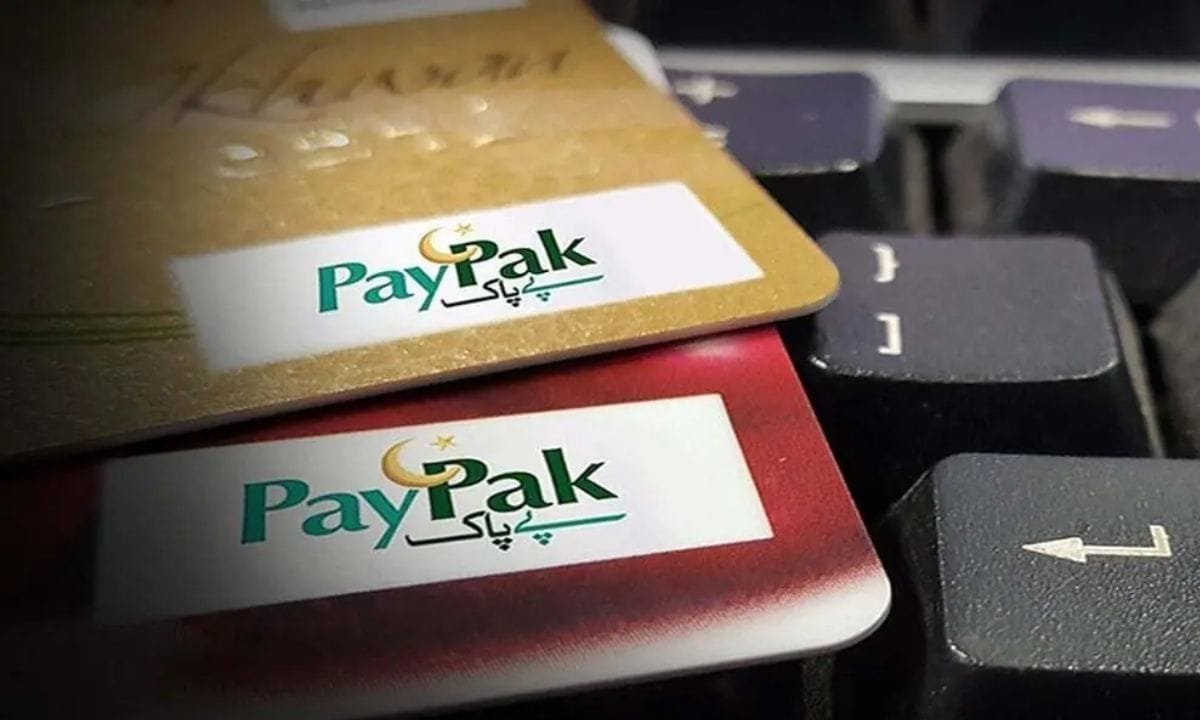

1LINK has proposed making PayPak cards mandatory for government salary accounts, subsidy programmes and public sector payments. The move aims to reduce Pakistan’s reliance on international payment networks such as Visa and Mastercard.
The proposals, shared by the State Bank of Pakistan (SBP), recommend wider adoption of the country’s domestic payment system. Consequently, the initiative seeks to strengthen Pakistan’s digital payments infrastructure and expand the use of national payment rails.
Under the proposal, government employees would receive PayPak cards for salary accounts. Similarly, beneficiaries of government subsidies, social safety-net programmes and mass transit services would also use the domestic payment scheme.
1LINK Recommends Incentives For PayPak Users
To encourage greater adoption, 1LINK has proposed tax incentives for PayPak transactions at Point-of-Sale (PoS) terminals and e-commerce platforms. Furthermore, the company suggested cashback offers, discounts and loyalty rewards for cardholders.
The proposed incentives would apply to utility bill payments, fuel purchases, public transport fares and other government payments. Therefore, officials expect the measures to increase the use of PayPak cards across the country.
Additionally, 1LINK recommended installing PoS machines capable of accepting PayPak cards at public service centres. These include NADRA offices, Excise departments and Passport Offices.
SBP Expands Pakistan’s Digital Payment Ecosystem
The State Bank said it has introduced several initiatives to strengthen the PayPak ecosystem. These include co-badged PayPak cards that support both domestic and international transactions, expanded e-commerce acceptance and public awareness campaigns.
According to the SBP, these measures have improved merchant acceptance, transaction volumes and overall PayPak functionality. Meanwhile, the central bank has also accelerated the rollout of Raast Person-to-Merchant (P2M) payments.
The government allocated Rs. 3.5 billion for the Raast QR-code subsidy programme during FY2025-26. As a result, daily P2M transactions increased from about 60,000 in June 2025 to nearly 1.1 million by June 2026. The SBP said it would continue promoting merchant onboarding and QR-based digital payments nationwide.

