
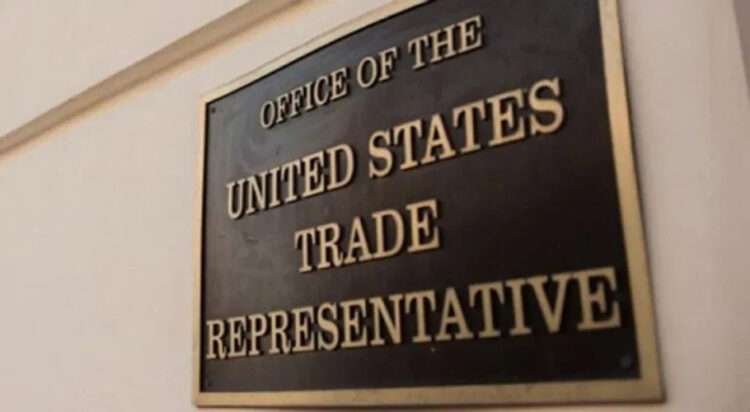

The United States has imposed a 10% tariff on Pakistani goods as part of a wider trade action targeting 60 economies. The Office of the US Trade Representative (USTR) announced the measure under Section 301, citing concerns over the handling of forced-labour-related imports.
USTR said the decision aims to encourage trading partners to strengthen enforcement against products linked to forced labour.
Pakistan Included in 10% Tariff Category
US Trade Representative Ambassador Jamieson Greer said previous efforts to remove forced labour from global supply chains had failed.
He added that countries must follow stronger enforcement standards similar to those maintained by the United States.
According to USTR, the decision followed investigations ordered by President Donald Trump in March.
The process included public hearings, government consultations, and thousands of comments from stakeholders.
Pakistan joined countries including Bangladesh, India, Indonesia, Mexico, and the United Kingdom in the 10% tariff category.
USTR stated that these economies had either introduced forced-labour restrictions or committed to improving their systems through trade agreements.
Tariff Adds Pressure on Pakistan’s Economy
The new tariff arrives as Pakistan continues to manage economic challenges linked to regional instability.
In recent months, Islamabad has highlighted its diplomatic role in reducing tensions between the United States and Iran.
Pakistan hosted discussions in April and played a role in efforts to support a ceasefire between Washington and Tehran.
However, regional tensions have continued to affect Pakistan’s economy, especially its energy sector.
More than 80% of Pakistan’s energy imports pass through the Strait of Hormuz. Disruptions in the region have contributed to rising fuel prices.
Textile Sector Faces Potential Impact
The US tariff could create challenges for Pakistan’s textile and apparel industries, which are among the country’s major export sectors.
Forced labour compliance remained a key issue during the USTR investigation. Exporters are expected to evaluate how the new duties affect their competitiveness in the US market.
Meanwhile, USTR said some products may receive exemptions in limited situations.
These include goods that cannot be sourced domestically or from other countries at reasonable costs.
The tariffs will take effect after publication in the Federal Register.
Pakistan has not yet issued an official response to the US decision.

