
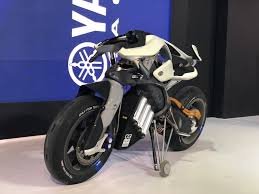

Yamaha Motor Company has introduced the futuristic MOTOROiD 2, a self-driving and self-balancing motorcycle that showcases the company’s vision for the future of mobility and advanced transportation technology.
The modern concept bike has gained significant attention online after a social media user shared a video clip highlighting its innovative design and intelligent features. With its eye-catching appearance and advanced engineering, the motorcycle quickly sparked discussion among technology enthusiasts and automobile fans across social media platforms.
MOTOROiD 2, Yamaha’s latest self-driving and self-balancing motorcycle. pic.twitter.com/5uiE1gmtkN
— Massimo (@Rainmaker1973) May 13, 2026
Yamaha designed the MOTOROiD 2 with artificial intelligence-based systems that allow the motorcycle to balance itself without external support. The concept vehicle can also recognise its rider and interact through light and motion-based responses, presenting a glimpse into how future motorcycles could integrate smart technology and autonomous functions.
In addition, the futuristic motorcycle features a sleek body structure, illuminated design elements and an unconventional riding frame that distinguishes it from traditional motorbikes currently available in the market. The company developed the concept to explore the relationship between humans and machines while demonstrating next-generation mobility solutions.
The viral clip shared online attracted widespread reactions, with many users praising the motorcycle’s advanced technology and futuristic styling. Several viewers compared the concept bike to vehicles seen in science-fiction films, while others expressed curiosity about whether such motorcycles could eventually become commercially available.
Although Yamaha has not announced plans for mass production, the MOTOROiD 2 continues to generate global interest as one of the company’s most ambitious concept projects. The motorcycle reflects the growing trend of integrating automation, artificial intelligence and self-balancing systems into future transportation technologies.

