
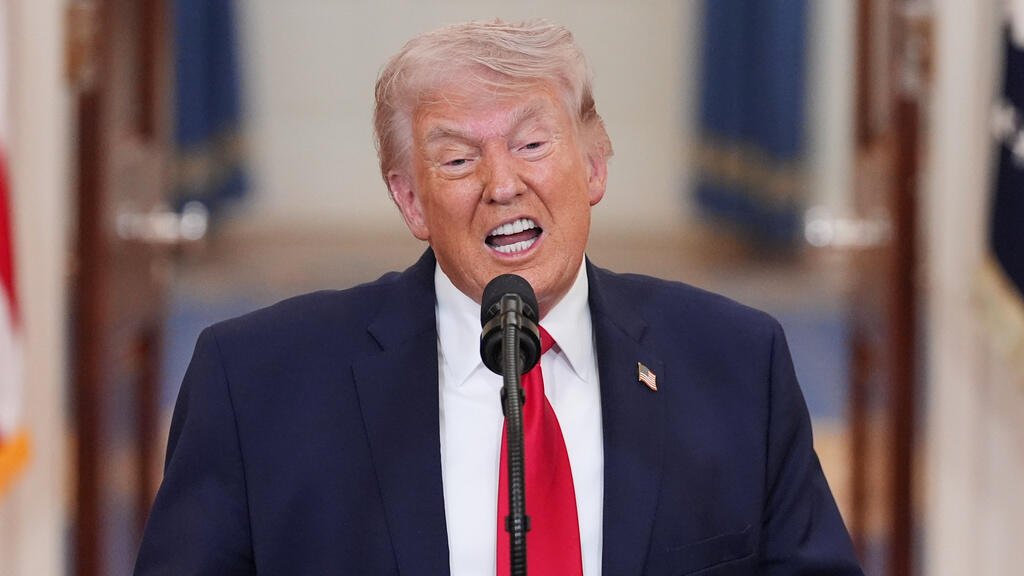

Donald Trump has indicated that oil and gas prices may remain elevated in the coming months. He suggested that prices could stay steady or rise slightly until the November midterm elections.
This statement reflects growing concerns about the economic impact of ongoing geopolitical tensions. Moreover, it highlights the potential political consequences linked to energy costs.
Strait of Hormuz Tensions Drive Market Uncertainty
The situation around the Strait of Hormuz continues to influence global oil markets. The waterway remains a crucial route for international energy supplies. Therefore, any disruption directly affects fuel prices worldwide.
Recently, the United States signaled stricter maritime enforcement. Authorities plan to intercept vessels that pay transit fees to Iran. This move aims to counter restrictions imposed in the region.
As a result, uncertainty has increased in global markets. Consequently, oil prices have surged significantly, creating pressure on consumers.
Impact on Fuel Prices and Consumers
Fuel prices have already shown noticeable increases in recent weeks. In fact, gasoline costs in the United States have remained above average levels throughout April.
Although earlier expectations suggested a temporary spike, the outlook now appears less certain. Therefore, consumers may continue facing higher transportation and living costs.
Additionally, rising fuel prices often influence inflation. This creates further challenges for households managing everyday expenses.
Political Pressure Builds Ahead of Elections
The ongoing situation has also affected political dynamics. Public dissatisfaction has grown as fuel costs continue to rise. As a result, approval ratings have faced downward pressure.
Critics have questioned the effectiveness of current strategies. Some policymakers argue that certain actions may not ease tensions or stabilize markets. Instead, they warn such measures could prolong uncertainty.
Meanwhile, the administration maintains that its actions aim to secure long-term stability. However, debate continues over the immediate economic impact.
Debate Over Strategy and Long-Term Outcomes
Several analysts believe the current approach may take time to deliver results. Achieving stability in the region remains complex. Therefore, quick solutions appear unlikely.
At the same time, concerns persist about the broader impact on global trade and energy supply. The situation continues to evolve, with developments closely monitored worldwide.
Global Markets Remain on Edge
Overall, the outlook for oil prices remains uncertain. Ongoing tensions and strategic decisions continue to shape market behavior. Consequently, fluctuations may persist in the near term.
For now, both consumers and policymakers face a challenging environment. As the midterm elections approach, energy prices will likely remain a key issue influencing public sentiment.

