
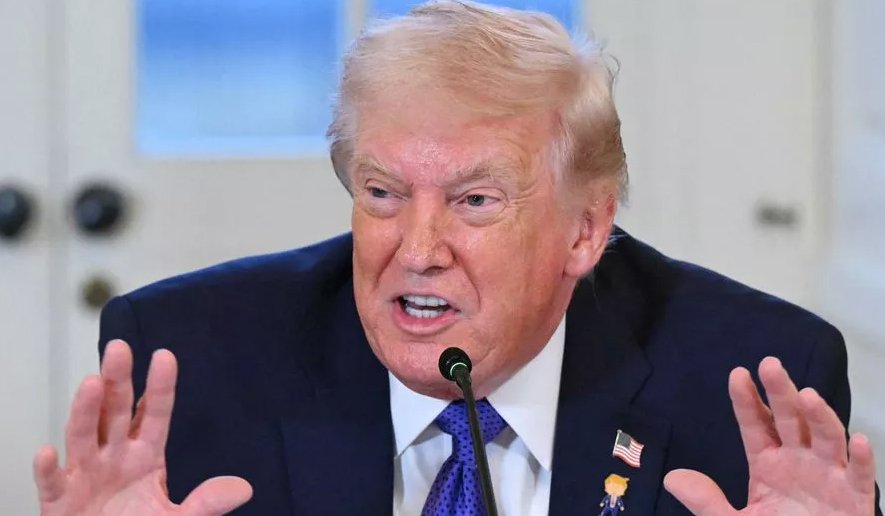

Donald Trump is facing growing pressure to bring the Iran conflict to a faster conclusion, as the war has now expanded far beyond the battlefield into economic instability and political consequences.
The situation is no longer limited to military strategy alone, as it is increasingly shaping domestic politics, global energy markets, and international diplomatic relations.
Therefore, analysts believe the urgency to end the conflict is rising sharply across multiple fronts at the same time.
Oil Shock and Strait of Hormuz Disruption
One of the biggest drivers behind this urgency is the severe disruption in global energy flows, particularly through the Strait of Hormuz, which remains one of the world’s most critical oil shipping routes.
Strait of Hormuz has experienced repeated interruptions, leading to uncertainty in crude oil and LNG supplies across global markets.
As a result, oil prices have surged and volatility has increased, placing additional pressure on already fragile global energy systems.
Inflation Pressure and Economic Strain in the United States
Rising fuel prices have directly contributed to inflationary pressure inside the United States, where households are already struggling with higher living costs.
Energy-driven inflation has also affected transportation, manufacturing, and supply chains, making economic recovery more difficult and politically sensitive.
Therefore, economic conditions have become one of the strongest factors influencing decisions on how quickly the conflict should end.
Falling Approval Ratings and Domestic Political Pressure
Trump’s domestic approval ratings have shown signs of decline, with economic concerns and war fatigue becoming key contributors to public dissatisfaction.
Support among independent voters has weakened noticeably, while even sections of his broader political base are showing concern over rising costs and prolonged conflict.
Therefore, political pressure inside the United States is increasing, especially as economic performance becomes closely tied to foreign policy outcomes.
Internal Policy Debate in Washington
Inside Washington, there is a growing divide over how to handle the Iran conflict, with some policymakers supporting continued military pressure while others argue for rapid de-escalation.
Critics of prolonged conflict warn that extended instability could damage the economy further and create long-term geopolitical risks for the United States.
As a result, decision-making has become more complex, with competing priorities shaping the administration’s strategy.
Global Pressure for Stability
International pressure is also building, as many countries depend heavily on stable energy supplies and predictable global trade routes.
Energy-importing economies are particularly affected by rising oil prices and supply disruptions linked to Middle East instability.
Therefore, diplomatic efforts for de-escalation are increasing, as global stakeholders push for a return to stability.
Indirect Global Factors: FIFA World Cup and Stability Concerns
Large global events such as the FIFA World Cup also add indirect pressure on governments to maintain stability, as international visibility increases the cost of prolonged geopolitical conflict.
While not a direct policy driver, such global events often encourage diplomatic caution and reduce tolerance for extended instability.
Therefore, global timing considerations add another subtle layer of urgency to the situation.
Military Escalation and Strategic Risks
The conflict has also escalated militarily, including restrictions on maritime movement and heightened regional tensions, which have increased risks for global trade routes.
These developments have reduced diplomatic flexibility and increased concerns about further escalation in an already volatile region.
Therefore, the military dimension of the crisis continues to limit long-term strategic options.
Economic Reality Driving Urgency
At the core of the situation is the direct connection between foreign policy and economic performance, as global oil price volatility continues to influence inflation and market stability.
Rising costs and uncertain energy supply have created political and financial pressure that is difficult to ignore for any administration.
Therefore, economic reality has become one of the strongest forces pushing toward a faster resolution.
Conclusion
Trump’s push to end the Iran conflict is being shaped by a combination of falling approval ratings, rising inflation, global oil disruptions, internal political debate, and international pressure for stability.
When combined with strategic military risks and global economic uncertainty, these factors create a highly compressed decision-making environment.
Therefore, the urgency to resolve the conflict is no longer just political strategy, but a response to mounting economic and geopolitical pressure.

