

Rival Powers Join Forces Against Cross-Border Crime
The Federal Bureau of Investigation is expanding law enforcement cooperation with China and Russia despite continuing strategic tensions between Washington, Beijing and Moscow.
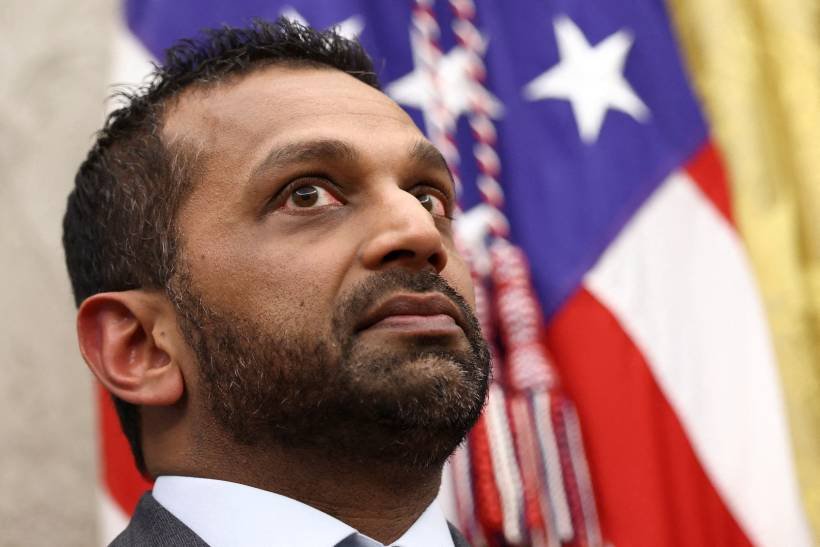
FBI Director Kash Patel said the new relationships are designed to combat crimes that cross national borders. These include cyber fraud, fentanyl trafficking, child sexual exploitation and the pursuit of international fugitives.
The initiative represents a major shift in the FBI’s traditional approach towards two countries regarded as leading US security competitors.
Patel described China and Russia as non-traditional partners. He acknowledged their adversarial activities but argued that limited cooperation could still produce important results for the United States.
The cooperation does not represent a wider political alliance. It focuses on specific criminal investigations in which all sides have a shared interest.
Many cybercrime, trafficking and drug networks operate across several countries. Investigators often need assistance from foreign authorities to locate suspects, secure evidence and freeze criminal assets.
Patel said the FBI must engage with rival governments when cooperation can protect Americans and disrupt international criminal organisations.
China and FBI Exchange Personnel and Conduct Joint Operations
The FBI’s relationship with Chinese law enforcement has developed through four specialist working groups.
These groups focus on cyber fraud, violent crimes against children, narcotics trafficking and fugitive arrests.
Chinese Ministry of Public Security officials have visited FBI facilities in the United States. FBI personnel have also travelled to China to work on investigations and exchange information.
Patel said working-level Chinese officials visit the United States monthly. FBI teams reportedly travel to China during alternate months, while communication between both sides takes place regularly.
During a visit to Beijing in late July, Patel met Chinese Public Security Minister Wang Xiaohong and Vice Minister Xu Datong.
The officials agreed to expand practical cooperation against international criminal activity. An earlier official FBI statement also confirmed discussions with China on cyber scams, child exploitation, money laundering and fentanyl-related chemicals.
One major example was Operation Sand Dollar in May.
According to the FBI, the operation involved American agents, China’s Ministry of Public Security and Dubai Police.
The joint action targeted a cyber scam centre in Dubai. The FBI said authorities arrested 300 people, seized approximately $300 million and freed thousands of workers who had allegedly been trafficked into scam operations.
An internal FBI document reviewed by Reuters also linked Chinese cooperation to investigations involving pharmaceutical companies.
Those operations reportedly resulted in nine arrests, the closure of two chemical production facilities and three websites, and the seizure of fentanyl precursor chemicals. The document did not specify where the arrests and seizures occurred.
Chinese authorities also worked with the FBI’s Omaha field office during an investigation into an international child sexual abuse material network.
That operation resulted in the arrests of 16 suspects in June, according to the FBI document cited by Reuters.
Planned Russia Visit Raises Security Concerns
The FBI has also developed less visible cooperation with Russian law enforcement.
Patel said both sides have worked behind the scenes for months against violent international criminal networks. The FBI has not released detailed information about those investigations.
Patel is tentatively planning to visit Russia in mid-October. The trip has not been presented as final, and its complete agenda has not been publicly disclosed.
The expanding relationships have caused concern among former FBI and counterintelligence officials.
Critics warn that Chinese or Russian officials could use visits, personnel exchanges and information-sharing arrangements to collect intelligence about American facilities, technology and investigative methods.
Former FBI supervisory agent Jeff Crocker argued that both countries remain active threats to US economic, military and national security interests. He warned that official cooperation could provide foreign intelligence services with valuable access.
Patel said the FBI carefully controls what information is shared.
He maintained that exchanges are limited to the four identified crime areas and require reciprocal cooperation. He also said foreign visitors are vetted and monitored while entering FBI facilities.
According to Reuters, electronic and physical surveillance is commonly used when officials from high-risk countries visit sensitive US locations.
Patel stressed that the new partnerships would not replace established intelligence alliances.
He said the Five Eyes partnership with Britain, Canada, Australia and New Zealand would remain the United States’ most important intelligence relationship.
The China and Russia arrangements are instead being presented as narrow law enforcement channels created to achieve specific results without changing wider US foreign policy.
Their long-term future will depend on whether the cooperation produces arrests and seizures without exposing sensitive American information.

