
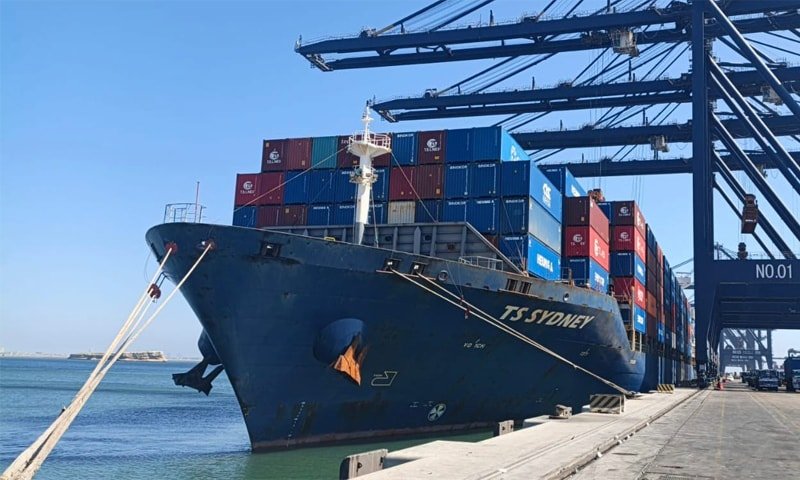

Pakistan is looking to turn Middle East shipping disruptions into an economic opportunity by strengthening its ports and maritime trade infrastructure.
A coordinated government response has already introduced several changes to attract international cargo. These measures aim to protect Pakistan’s supply chains while positioning Karachi, Port Qasim and Gwadar as competitive regional shipping hubs.
In an article published in Dawn on November 23, Pakistan Ship’s Agents Association Chairman Mohammed A. Rajpar outlined the developments. He also highlighted opportunities emerging from the US-Iran conflict.
Customs Reforms Open New Trade Opportunities
A government committee led by Federal Minister for Maritime Affairs Muhammad Junaid Anwar Chaudhry worked with industry representatives to address shipping challenges.
The reforms allow transshipment cargo to move through off-dock terminals. Authorities also replaced mandatory scanning of all containers with risk-based inspections.
Furthermore, revised procedures now accommodate break-bulk and roll-on/roll-off cargo. These changes aim to reduce congestion and improve cargo handling.
Pakistan has also introduced less-than-container-load transshipment. This system allows businesses to consolidate smaller shipments, add value and re-export goods.
Rajpar said a major US shipping company had selected Pakistan over India for these operations.
Gwadar and Karachi Attract Shipping Interest
Gwadar Port recorded increased activity, handling more than a dozen vessels carrying approximately 200,000 tonnes of cargo within three months.
Meanwhile, reduced port tariffs have improved Pakistan’s competitiveness. A Far Eastern shipping company has also expressed interest in shifting transshipment operations from India’s Mundra Port to Karachi.
Another development concerns maritime insurance. According to Rajpar, a July 29 decision by Lloyd’s Joint War Committee removed the automatic triggering of war-risk premiums for vessels calling at Pakistani ports.
Bigger Economic Gains Ahead
Pakistan is also exploring an automobile import and re-export zone. The proposed facility could allow businesses to import, refurbish and export used vehicles.
Additionally, authorities are considering an energy city to support strategic petroleum storage outside the Strait of Hormuz.
Rajpar estimates that each transshipment container could generate around $150 in associated economic activity. He believes Pakistan could add 500,000 TEUs within one to three years and reach one million within five years.
However, sustaining these gains will require consistent policies, efficient customs procedures and stronger coordination across institutions.
For the latest updates, visit and follow The Truth International website (www.thetruthinternational.com) and subscribe to the YouTube Channel.

