
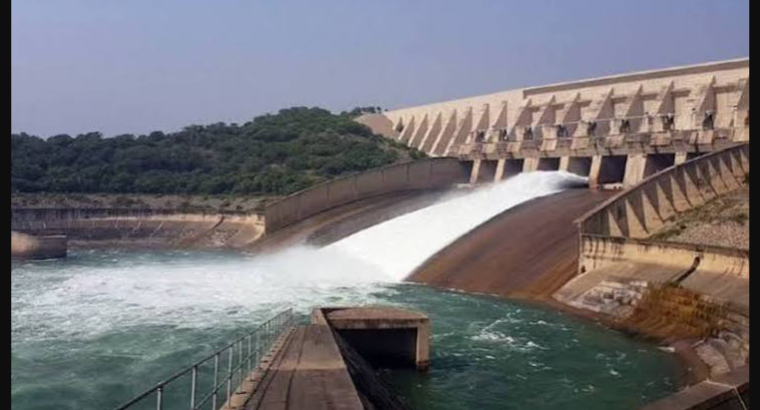

Pakistan’s ambitious hydropower programme is facing renewed questions over rising costs, construction failures and environmental consequences.
A recent analysis published in Dawn argues that the country’s continued preference for massive dams could create serious financial and ecological liabilities. The latest setback at the Tarbela-5 construction site has further intensified concerns.
The debate comes as Pakistan plans to add approximately 11,000 megawatts of hydropower capacity between 2025 and 2035. This represents around 34 per cent of its planned additional generation capacity.
Tarbela and Neelum-Jhelum Projects Face Major Cost Increases
The Tarbela-5 Extension Project offers a clear example of escalating expenses. Its estimated cost increased from Rs82 billion in 2016 to Rs317 billion by 2025.
The latest construction incident could push costs even higher. The project initially aimed to produce electricity at Rs28 per unit.
Similarly, the Neelum-Jhelum Hydropower Project experienced a dramatic increase in expenditure. Its original estimate stood at approximately Rs40 billion, but the final cost reached Rs500 billion.
Technical problems also forced lengthy shutdowns. Consequently, consumers faced additional costs through electricity surcharges and expensive replacement power.
Dasu Project Adds to Financial Concerns
The Dasu Hydropower Project has also experienced substantial cost escalation. Its Stage-I estimate increased from Rs486 billion to Rs1.73 trillion.
Authorities have moved its expected completion date to November 2028. However, difficult geological conditions and climate-related hazards continue to challenge construction.
The project faces risks from landslides, earthquakes and other natural events. These conditions raise further questions about long-term financial sustainability.
Environmental and Community Costs Cannot Be Ignored
The analysis also highlights the impact of large dams on local communities and river ecosystems.
Construction can disrupt water flows, fisheries, livelihoods and downstream settlements. Moreover, inadequate compensation and resettlement arrangements often leave affected families struggling.
The writer argues that Pakistan must assess the combined impact of multiple dams rather than examining each project separately.
Pakistan Needs a More Balanced Energy Strategy
The article calls for a reassessment of the country’s hydropower priorities. It argues that renewable alternatives, including solar and wind, offer more flexible options.
Ultimately, Pakistan needs affordable and reliable electricity. However, major infrastructure projects must justify their full financial, environmental and social costs before receiving further investment.
For the latest updates, visit and follow The Truth International website (www.thetruthinternational.com) and subscribe to the YouTube Channel.

