
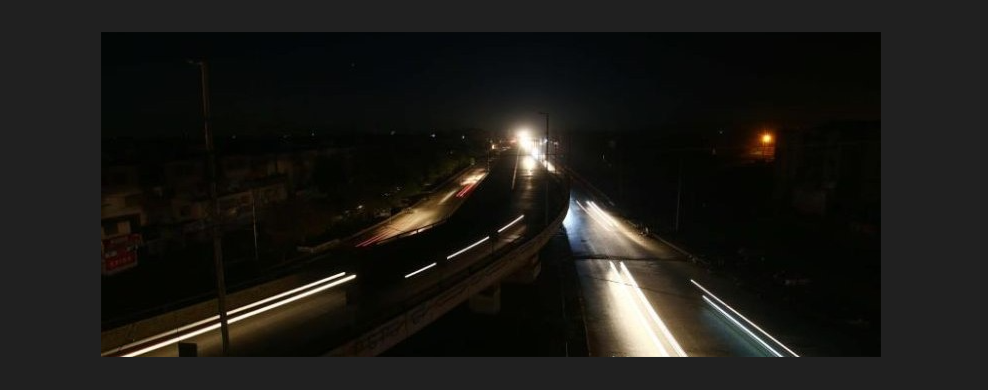

Pakistan is facing a deepening energy crisis as global tensions disrupt fuel supplies. Although not directly involved in the conflict, the country feels strong economic and energy impacts.
The disruption of liquefied natural gas supplies has pushed the power sector into stress. As a result, blackouts have become more frequent across several regions.
LNG Supply Disruption from Qatar
Pakistan depends heavily on LNG imports from Qatar. However, supply interruptions have emerged after damage to energy infrastructure in the region.
With reduced deliveries, Pakistan has tried to secure alternative cargoes. However, higher global prices have made procurement difficult.
Therefore, the country faces tough competition in international markets. This situation places it at a disadvantage compared to wealthier buyers.
Energy Mix Under Pressure
Pakistan’s energy mix includes hydropower, coal, gas, nuclear, wind, and solar. Initially, some sources showed growth and offered temporary relief.
Hydropower contributed 23.5 percent of the mix in March. Coal generation increased by 7.5 percent, while gas output rose slightly.
However, LNG-based generation dropped sharply by 67 percent. At the same time, nuclear output declined by 11.7 percent.
Although wind energy surged by 34 percent, it could not offset the overall shortfall. Consequently, power generation remained insufficient.
Rising Demand and Worsening Shortfall
Electricity demand has increased due to warmer weather. As demand rises, supply gaps have widened further.
The government introduced daily load-shedding for two to three hours. However, the situation worsened when the power shortfall reached 4,500 megawatts.
This led to longer blackouts in several areas. Therefore, both households and industries have faced growing disruptions.
Impact on Industry and Daily Life
Power shortages have forced factories to adjust operations. Many industries now shut down during nighttime hours.
In some areas, outages have extended beyond planned schedules. Consequently, businesses and households struggle to manage daily activities.
Reports also suggest that some consumers have turned to unsafe alternatives to access gas. This highlights the severity of the crisis.
Government Faces Difficult Choices
Awais Leghari addressed the challenge, outlining the difficult decisions ahead.
“If we buy expensive fuel, it will increase electricity prices and also put pressure on foreign exchange,” he said. “If there is no gas, then there is a power shortfall and load-shedding.”
This statement reflects the dilemma between affordability and supply security. Therefore, policymakers face limited options.
Earlier Decisions Add to Pressure
Pakistan had earlier aimed to reduce reliance on imported LNG. Plans included increasing generation from hydropower, coal, and nuclear sources.
However, these efforts have not fully compensated for current shortages. As a result, the system remains vulnerable during supply disruptions.
Growing Strain on Power and Fertilizer Sectors
The country also relies on gas for fertilizer production. Therefore, authorities must balance between electricity generation and agricultural needs.
Electricity demand often exceeds 16,500 megawatts, especially during hotter periods. Meanwhile, hydropower output tends to decline in such conditions.
This combination further weakens supply stability. Consequently, the energy crisis continues to deepen.
No Quick Solution in Sight
The current situation offers no immediate relief. Restoring LNG supply chains may take time due to ongoing regional instability.
Pakistan remains highly dependent on a quick resolution to the conflict. Until then, energy shortages may persist.

