
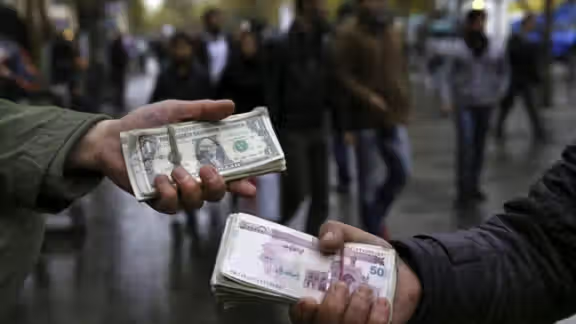

The Iranian rial has fallen to a fresh record low against the US dollar. The currency has now dropped below two million rials per dollar in Tehran’s open market. The decline comes as Iran prepares for additional US sanctions. Meanwhile, diplomatic efforts between Tehran and Washington remain stalled.
The dollar traded above 200,000 tomans in Tehran’s free market, according to currency-tracking channels. Since one toman equals 10 rials, the rate exceeded two million rials per dollar. The rial stood near 1.865 million per dollar at the start of the previous week. Therefore, the dollar gained more than 7% against the Iranian currency within less than a week.
Rial Under Pressure From Economic Uncertainty
The sharp decline reflects growing demand for foreign currency in Iran. At the same time, concerns about additional US economic pressure have increased.
Uncertainty surrounds several key areas of Iran’s economy. These include oil exports, foreign-exchange reserves and access to international financial transactions.
Iran’s open-market exchange rate remains an important economic indicator. Official currency markets remain tightly controlled by the government.
As a result, official rates may not reflect the prices businesses and households pay for dollars. The free-market rate therefore provides a clearer picture of currency demand and economic sentiment.
US-Iran Nuclear Talks Remain Stalled
The latest currency decline follows the expiration of a 60-day period established under a June 17 memorandum. The period ended without a broader agreement between Washington and Tehran.
The proposed agreement could have included sanctions relief and oil-export waivers. It could also have provided Iran with access to some frozen funds.
Instead, pressure from Washington has increased. The Trump administration has reimposed a naval blockade of Iranian ports.
Washington has also withdrawn sanctions waivers connected to Iranian oil. Meanwhile, US officials have indicated that further measures remain under consideration.
Iran, however, has taken a firm position over the Strait of Hormuz. Tehran has said it will keep the strategic waterway closed until Washington removes the blockade.
Iran has also demanded an end to oil sanctions and the release of frozen Iranian assets.
Weaker Rial Raises Inflation Concerns
A weaker rial increases the local cost of imported products. These include food, medicines, industrial materials and capital equipment. Consequently, businesses may face higher costs for imported goods and production materials. Those higher costs can eventually put additional pressure on consumers.
Currency weakness can also encourage people to buy dollars, gold and other assets. Many Iranians view these assets as protection against inflation and further currency depreciation. Meanwhile, Iran’s government has indicated that fuel prices could rise. Authorities are facing higher costs as economic pressure continues to build.
Food and other consumer prices have already been increasing. Therefore, another round of price rises could further strain household budgets.
The continued fall of the rial highlights the growing economic challenges facing Iran. Without greater currency stability, inflation and rising import costs could intensify pressure on households and businesses.
At the same time, the stalled diplomatic process leaves uncertainty over possible sanctions relief. The direction of US-Iran relations could therefore play a major role in Iran’s currency and economic outlook.

