
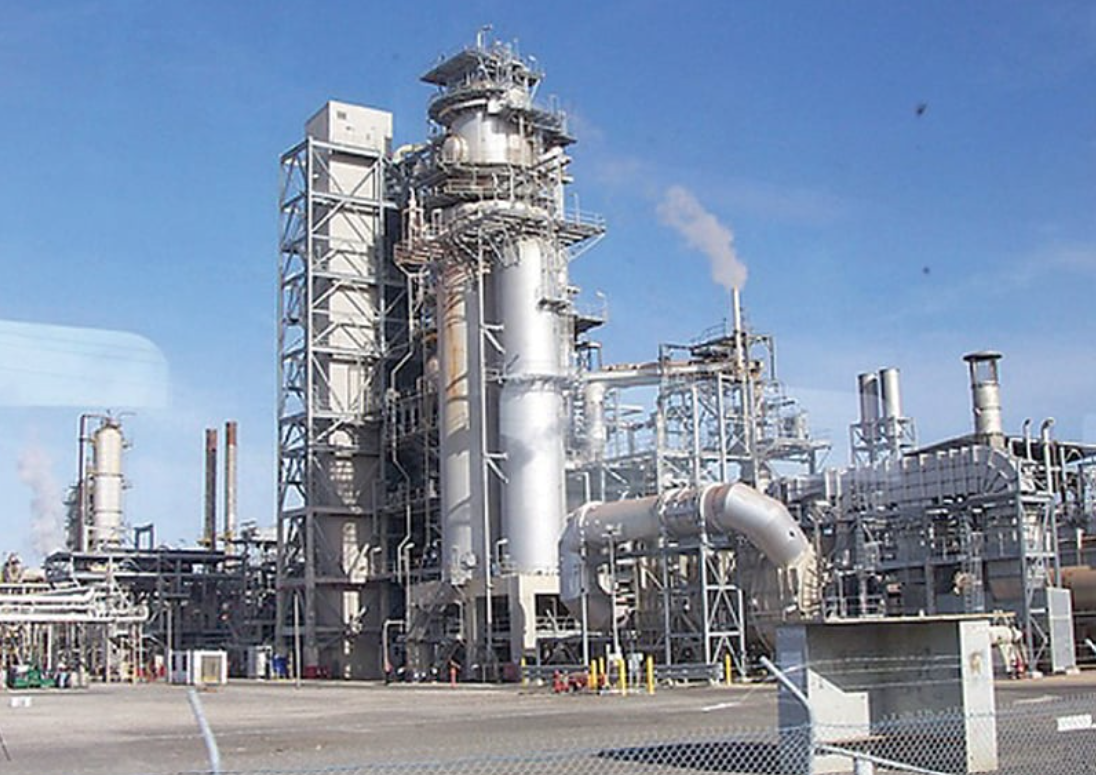

Attock Refinery Limited has temporarily shut down its main crude distillation unit. The decision came after severe disruptions in transportation routes due to security-related road closures.
The refinery confirmed that operations will remain suspended until traffic conditions improve. This development marks a significant setback for fuel supply in northern Pakistan.
Road Closures Disrupt Oil Transportation
Authorities imposed road closures ahead of possible international diplomatic activity in Islamabad. As a result, oil tank lorries faced complete movement restrictions.
These restrictions blocked both crude oil deliveries and product dispatches. Consequently, refinery operations came under immediate pressure.
The refinery reported that transportation constraints directly affected its supply chain. Therefore, both inbound crude and outbound fuel shipments stopped.
Main Crude Unit Shut Down
The company confirmed shutdown of its main crude distillation unit. This unit has a capacity of approximately 32,400 barrels per stream day.
Due to limited storage and rising product inventories, the refinery had no operational flexibility. As a result, it was forced to halt processing activities.
“We wish to inform you that due to the expected arrival of foreign delegates in Islamabad, there has been an abrupt suspension of oil tank lorry movement to and from ARL. This situation has adversely impacted crude oil receipts as well as product dispatches, directly affecting refinery operations,” the company stated.
Rising Inventory and Supply Chain Pressure
Fuel stocks of Motor Spirit (MS) and High-Speed Diesel (HSD) increased significantly. However, outbound deliveries remained blocked due to transport restrictions.
At the same time, crude oil supply from local fields declined sharply. This created a dual pressure on refinery operations.
Therefore, management decided to shut down the main processing unit until normal transport resumes.
Strategic Importance of the Refinery
The refinery plays a critical role in Pakistan’s energy supply chain. It supplies fuel to central and northern regions, including Punjab, Khyber Pakhtunkhwa, Azad Jammu and Kashmir, and Gilgit-Baltistan.
It also supports aviation fuel requirements for major airports such as Islamabad and Peshawar. Additionally, it supplies fuel to defense and power sectors.
Any disruption in its operations directly affects national fuel distribution.
Impact on Oil Production in Northern Fields
The shutdown may also affect crude production in surrounding oil fields. Key production areas in Jhelum, Attock, and parts of Khyber Pakhtunkhwa rely on this refinery for processing.
Therefore, upstream operations could face structural challenges if the disruption continues.
Regulatory Disclosure and Compliance
The refinery issued a mandatory disclosure to financial regulators and the stock exchange. This step was required under corporate reporting laws.
It also requested urgent intervention to restore movement of oil tankers. However, restrictions remained in place during the reported period.
The company had repeatedly contacted relevant authorities to resolve the issue. Still, transport exemptions were not granted.
Broader Energy Sector Developments
At the same time, domestic oil production has seen new developments. The state energy sector recently expanded output from a major discovery in Khyber Pakhtunkhwa.
This production feeds into the national supply chain, including refineries like Attock. Therefore, smooth refinery operations remain essential for energy stability.
Conclusion
The shutdown of Attock Refinery’s main crude unit highlights the vulnerability of fuel supply chains during transport disruptions. Road closures triggered a full operational halt despite available crude and rising demand.
Until transport routes reopen, fuel distribution in northern Pakistan may remain under pressure. The situation underscores the importance of uninterrupted logistics for energy security.

