
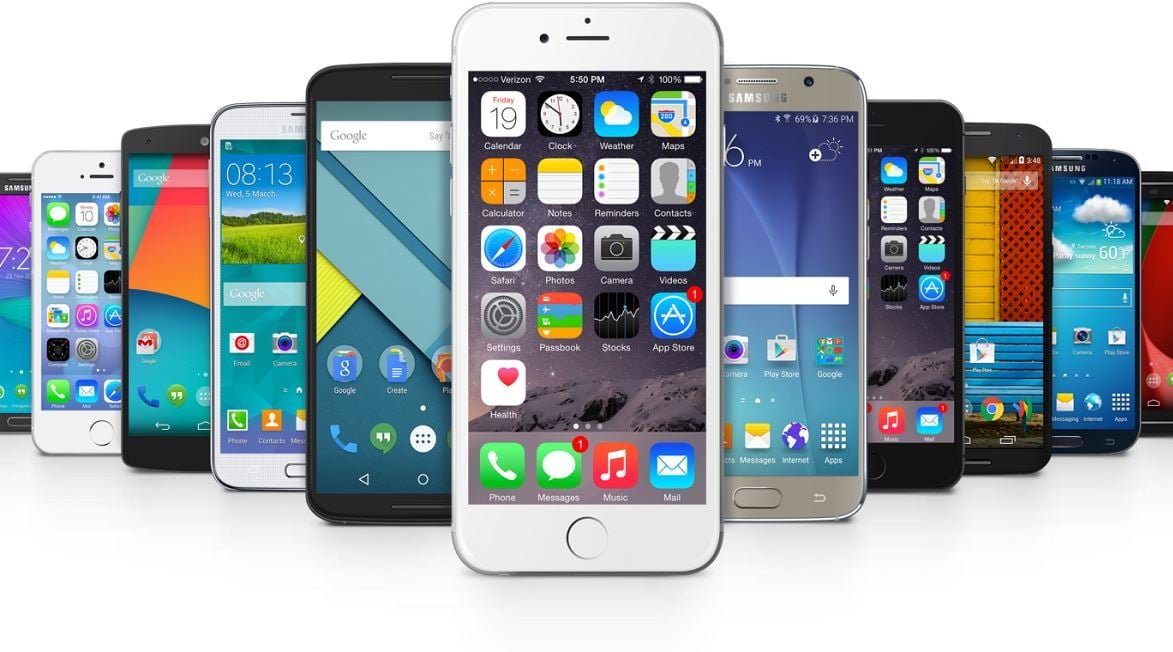

Millions of Pakistanis remain disconnected from mobile internet despite living in areas with broadband coverage. Expensive smartphones and limited financing options continue to prevent low-income households from entering the digital economy.
According to reports published on November 5, 2026, Pakistan faces a widening gap between mobile network availability and actual internet usage.
Only 50% of Pakistanis Own Mobile Phones
The Pakistan Bureau of Statistics’ Household Integrated Economic Survey 2024–25 revealed that only 50% of people aged 10 and above own mobile phones.
Ownership stands at 69% among males but only 31% among females.
Meanwhile, GSMA data shows that mobile broadband covers approximately 80% of Pakistan’s population. However, only 30% used mobile internet in 2024.
Why Are Smartphone Loans Difficult to Obtain?
Many Pakistanis cannot afford expensive smartphones through one-time payments.
Although installment plans exist, daily wage earners and informal workers often lack salary records or credit histories.
These requirements make loan approval difficult despite applicants potentially having sufficient income to repay installments.
Telecom Companies Propose New Financing Rules
Jazz, PTCL/Ufone, Telenor and Zong requested a smartphone financing framework from the Pakistan Telecommunication Authority in May 2026.
Their proposal included repayment safeguards and possible SIM blocking for persistent defaults.
However, such restrictions would require customer consent and appropriate consumer protections.
The framework remains unfinalized.
Could New Banking Rules Make Smartphones Affordable?
The State Bank of Pakistan released draft Open Banking Regulations on October 30.
The proposed rules could allow lenders to assess applicants through verified financial transactions, with customer consent.
Experts believe affordable devices, reduced taxes and accessible financing could help bridge Pakistan’s digital divide.

