
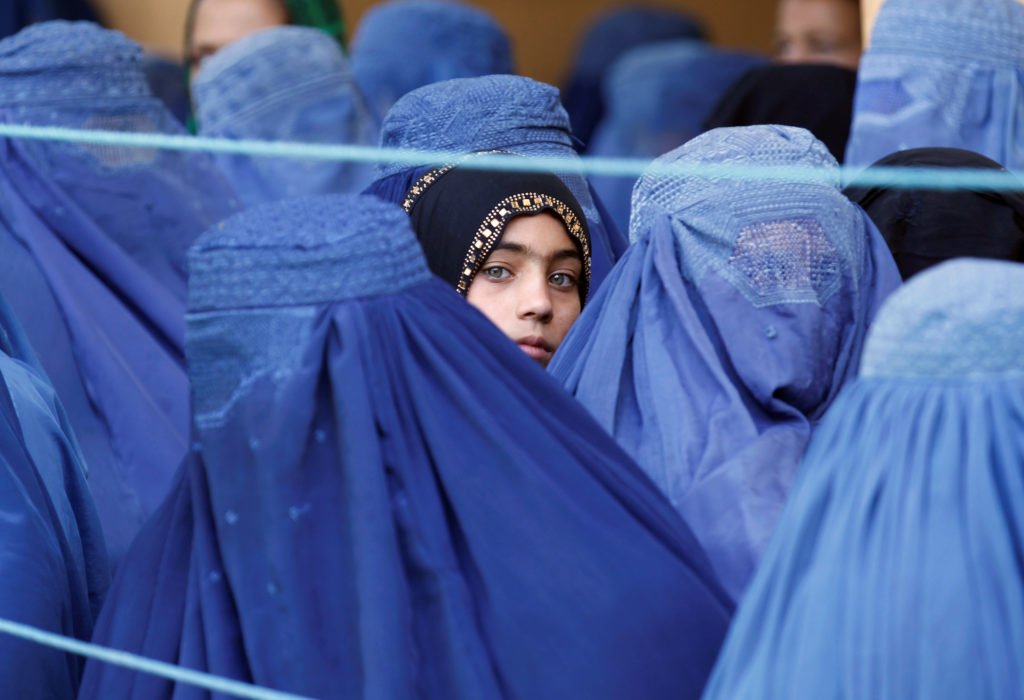

The Taliban has reportedly introduced a controversial directive in Afghanistan’s northern Balkh province, further restricting women’s personal identities and fundamental rights.
Authorities have reportedly instructed government officials and healthcare workers to stop using women’s first names in official documents, medical records and prescriptions.
Instead, officials must use a generic title meaning grandmother or elderly woman, regardless of the woman’s age.
Human rights activists have expressed serious concerns over the directive, describing it as another attempt to erase women’s identities from public life.
New Taliban Restrictions Raise Healthcare Concerns
The directive could create serious challenges for Afghanistan’s already struggling healthcare system.
Registering multiple female patients under identical titles could increase the risk of incorrect medical records, prescription errors and inappropriate treatments.
In several Afghan provinces, male doctors already face restrictions on treating female patients without a male guardian or female healthcare worker present.
Furthermore, the Taliban banned women from medical training in December 2024, raising concerns about future shortages of female healthcare professionals.
Afghan Women Face Growing Identity Crisis
Women in Afghanistan have historically faced social restrictions regarding the public use of their names. Official records often identify them through their relationships with male relatives.
According to a 2024 United Nations report, Afghan women already experience difficulties obtaining essential identity documents.
These documents are necessary for accessing healthcare, education, banking services and humanitarian assistance.
The latest directive could further limit women’s access to these essential services.
International Concerns Over Women’s Rights
Since returning to power in 2021, the Taliban has imposed extensive restrictions on women’s education, employment and freedom of movement.
Human rights activists fear that removing women’s names from official records represents another significant erosion of their individual rights.
Concerns are also growing over whether authorities will extend the reported directive to other Afghan provinces.

