
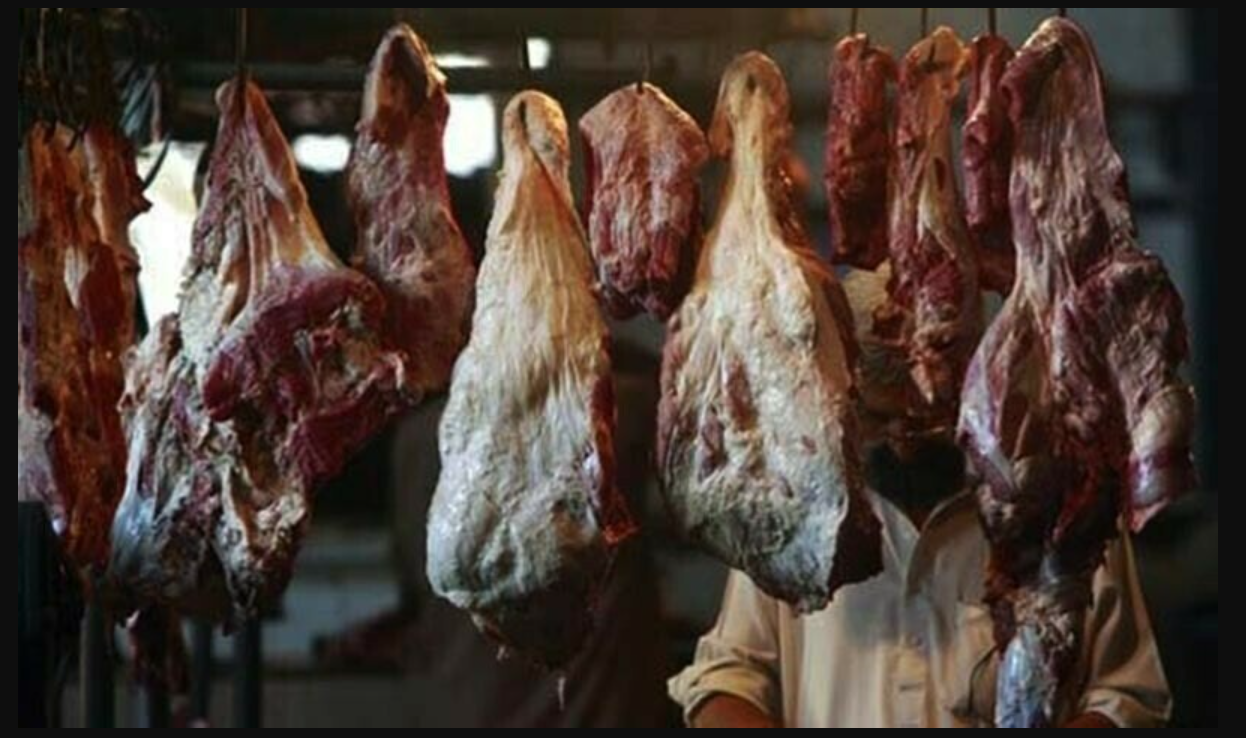

Meat prices have increased sharply across major urban centers in Pakistan. Cities like Karachi and Lahore are witnessing consistent upward pressure on rates.
This rise comes despite expectations that prices would ease due to slower export demand. However, domestic market conditions are driving the opposite trend.
Current Meat Prices in Karachi and Lahore
In Karachi, mutton prices have reached up to 2,700 rupees per kilogram. This reflects an increase of nearly 300 rupees per kg.
Veal with bones is now selling between 1,400 and 1,500 rupees per kg. Boneless veal has climbed further, reaching around 1,800 rupees per kg.
Beef prices are also rising steadily. Cow meat now ranges between 1,350 and 1,500 rupees per kg.
In Lahore, the situation is more severe. Mutton prices range from 2,800 to 3,200 rupees per kilogram. Beef prices vary between 1,200 and 1,600 rupees per kg across different markets.
Prices Exceed Official Government Rates
Market rates in both cities are now above officially notified prices. In many cases, retailers are not displaying government price lists.
As a result, consumers are facing inconsistent pricing. Moreover, enforcement of official rates appears limited in several areas.
This gap between official and market prices is contributing to public concern over food inflation.
Rising Costs and Supply Pressure Driving Inflation
Traders attribute the price hike to increasing operational costs. Higher diesel and LPG prices have significantly raised transportation and storage expenses.
Additionally, some market participants report a shortage of livestock, especially goats. This supply gap is further tightening market availability.
Demand has also remained strong due to seasonal factors. The ongoing wedding season and preparations ahead of religious events have increased consumption levels.
Food Safety Concerns and Regulatory Actions
Recent inspections have also highlighted quality concerns. Authorities have reportedly discarded large quantities of substandard meat in recent months, raising questions about supply chain standards.
These actions reflect growing attention toward food safety. However, they also indicate pressure within the meat distribution system.
Exports Not the Main Factor Behind Price Hikes
Industry representatives suggest that exports play a limited role in domestic pricing. Instead, internal supply and demand dynamics are more influential.
Therefore, expectations that reduced exports would lower prices have not materialized.
Concerns have also emerged regarding livestock management practices. In particular, the slaughter of female animals may affect long-term supply stability.
Seasonal Demand Expected to Keep Prices High
Experts warn that meat prices may remain elevated in the coming months. Demand typically increases ahead of major religious events, including Eid seasons.
As a result, consumers may continue to face high costs. Furthermore, inflationary pressures could extend to related food items.
Outlook for Consumers
Overall, the meat market remains under pressure due to multiple factors. Rising input costs, supply constraints, and strong demand are shaping current trends.
Unless structural issues are addressed, price stability may remain difficult in the near future.

