
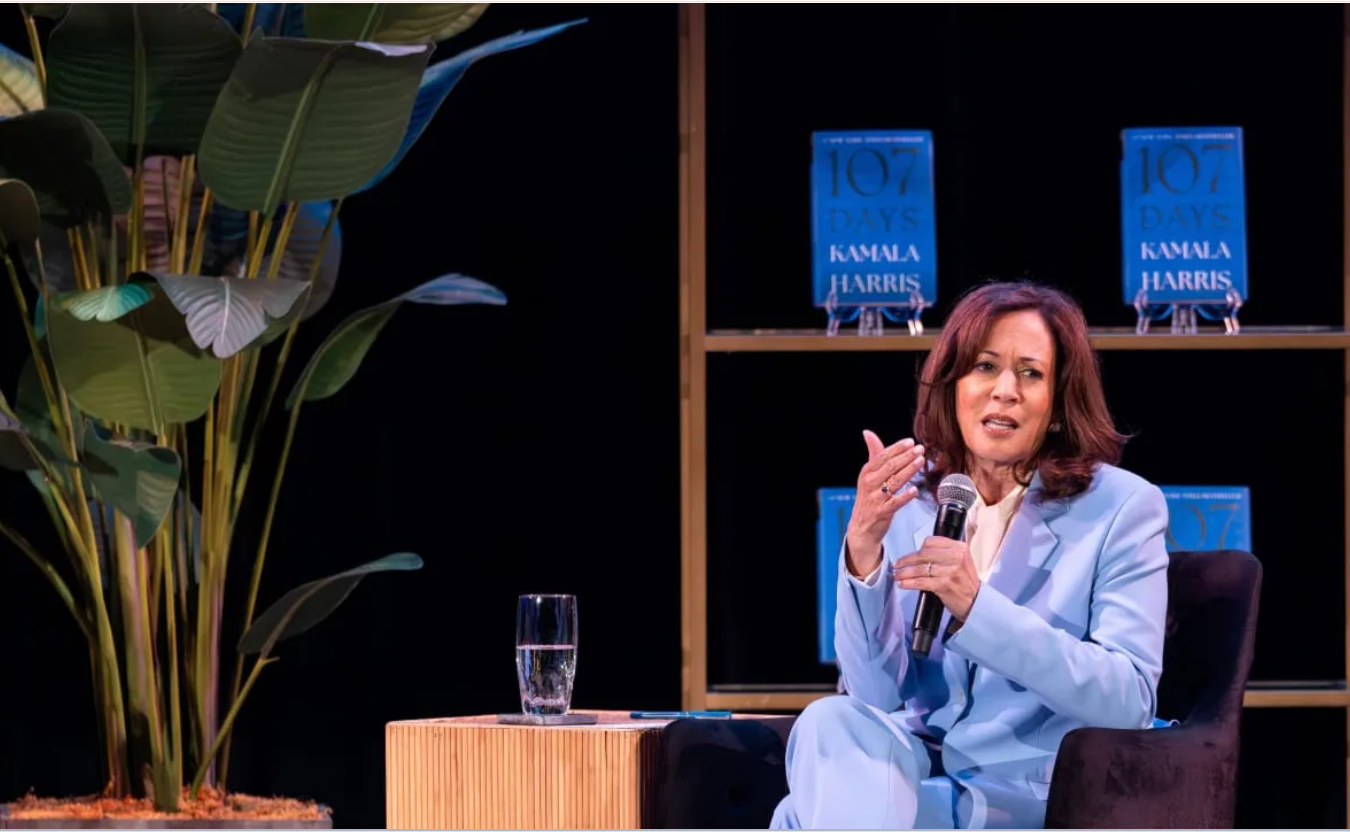

Former US vice-president Kamala Harris has raised serious concerns about the origins of the Iran conflict. She claimed that Israeli Prime Minister Benjamin Netanyahu influenced Donald Trump to enter the war.
Her remarks have added a new dimension to the ongoing debate. They also highlight growing political divisions over foreign policy decisions.
Harris Questions Decision to Enter War
Harris stated that the conflict with Iran does not reflect the will of the American people. She argued that the decision to go to war lacked public support.
According to her, external pressure played a key role in shaping the outcome. She suggested that Netanyahu pushed for stronger action, which ultimately influenced Trump’s decision.
Therefore, she believes the United States entered a conflict it did not seek. This claim has sparked renewed scrutiny of diplomatic decision-making.
Concerns Over Risks to US Troops
Harris also warned about the dangers faced by American soldiers. She stressed that the war has placed their lives at serious risk.
She argued that military involvement increases exposure to conflict zones. As a result, troops face heightened security threats.
Moreover, she questioned whether the risks were justified. In her view, the decision did not align with national interests.
Impact on American Public
The former vice-president highlighted the economic consequences of the conflict. She noted that ordinary Americans are now bearing the burden.
Rising fuel prices have become a major concern. Therefore, the war’s impact extends beyond the battlefield.
Harris emphasized that policy decisions should consider domestic effects. She argued that the public should not suffer due to geopolitical choices.
Political Debate Intensifies
Her remarks have intensified political debate in the United States. Questions about foreign influence and national decision-making are gaining attention.
Supporters of Harris view her comments as a call for accountability. Meanwhile, critics may see them as politically motivated.
However, the discussion reflects broader concerns about war decisions. It also highlights the importance of transparency in leadership.
Conclusion
Kamala Harris has brought forward a strong critique of the Iran conflict. She linked the decision to external influence and domestic consequences.
Her claims underline concerns about public consent and troop safety. Ultimately, the debate over the war continues to evolve.
As tensions persist, such statements may shape future political discourse.

