
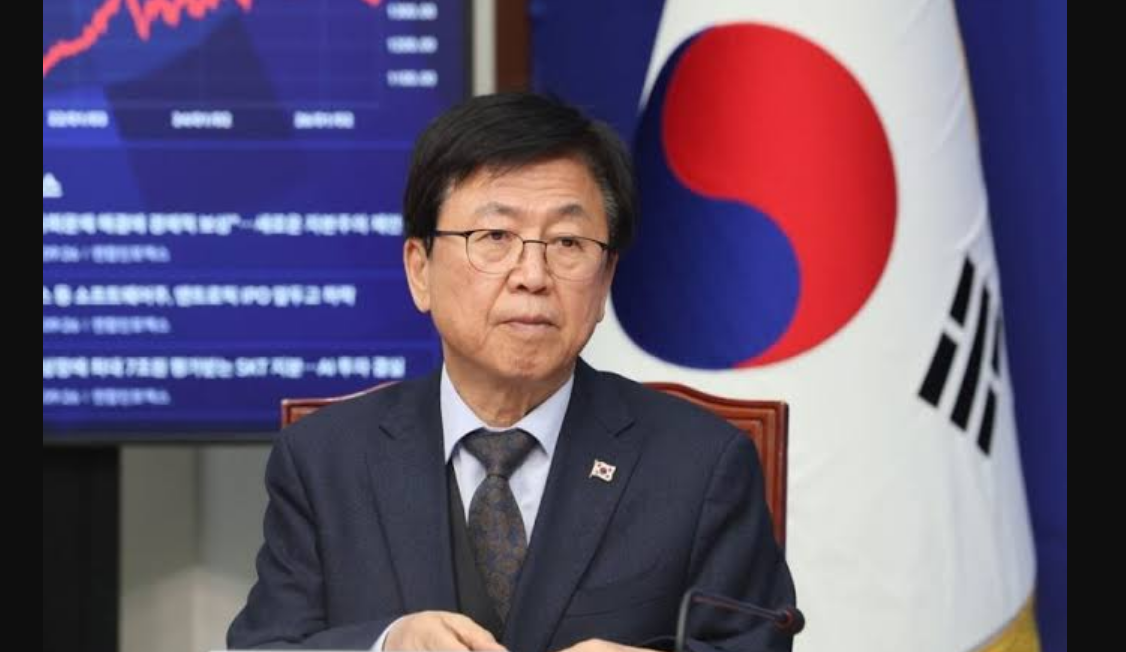

South Korea’s education system is facing renewed scrutiny after an examination cheating scandal involving artificial intelligence (AI) led to the resignation of Education Minister Choi Kyo-jin. The controversy has intensified public criticism of examination security, particularly as the country prepares for its highly competitive university entrance examination.
Choi stepped down following revelations that a candidate had used a hidden camera and an AI tool to secure exceptionally high marks in a national tax accountant examination. Meanwhile, the incident has raised questions about how authorities can prevent emerging technologies from being misused during important examinations.
Hidden Camera and AI Used to Cheat in National Examination
The scandal emerged after a high-scoring candidate, identified only as Han, admitted to cheating in a YouTube video. He revealed that he had secretly recorded examination questions using a concealed camera.
He then reportedly sent the captured questions to an AI tool on his smartphone to obtain answers. As a result, the candidate managed to secure nearly perfect marks in two examinations conducted in April and July.
The revelations triggered widespread concern over examination integrity and the growing challenges associated with AI-assisted cheating. Furthermore, the incident exposed potential weaknesses in existing examination security arrangements.
Education Minister Faces Growing Pressure
Choi Kyo-jin’s resignation came amid mounting criticism of the government’s response to the cheating incident. His departure also coincided with preparations for South Korea’s major university entrance examination, known as the Suneung.
The education minister faced additional scrutiny during a parliamentary hearing, where he expressed doubts about whether authorities could completely prevent examination cheating.
His remarks attracted further criticism and intensified pressure on the government. Consequently, the scandal developed into a wider debate about institutional responsibility and the effectiveness of examination safeguards.
South Korea Introduces Stricter Examination Security Measures
Following the incident, authorities introduced additional security arrangements for the Suneung to prevent similar misconduct.
The measures included disabling public Wi-Fi networks, installing metal detectors and deploying additional examination staff. Moreover, authorities used emergency mobile phone alerts to identify electronic devices secretly brought into examination centres.
The Education Ministry reported detecting 111 cases of electronic device-related misconduct during the examination. Around half of these cases were identified through emergency alerts.
These measures reflected growing concerns about the potential use of concealed electronic devices and digital tools during examinations.
AI Cheating Raises Questions About Examination Integrity
The incident has intensified discussions about the challenges artificial intelligence presents to traditional examination systems. Although AI tools offer new opportunities for learning, their misuse can undermine assessment procedures and academic integrity.
South Korea’s latest controversy highlights the difficulties examination authorities face when candidates can access advanced technology through increasingly compact devices.
Furthermore, the scandal has raised questions about whether conventional security arrangements remain sufficient in an environment where hidden cameras and AI applications can be combined.
As South Korea continues to address the controversy, examination security and responsible AI use have become central issues in the country’s education debate.
For the latest updates, visit and follow The Truth International website (www.thetruthinternational.com) and subscribe to the YouTube Channel.

