
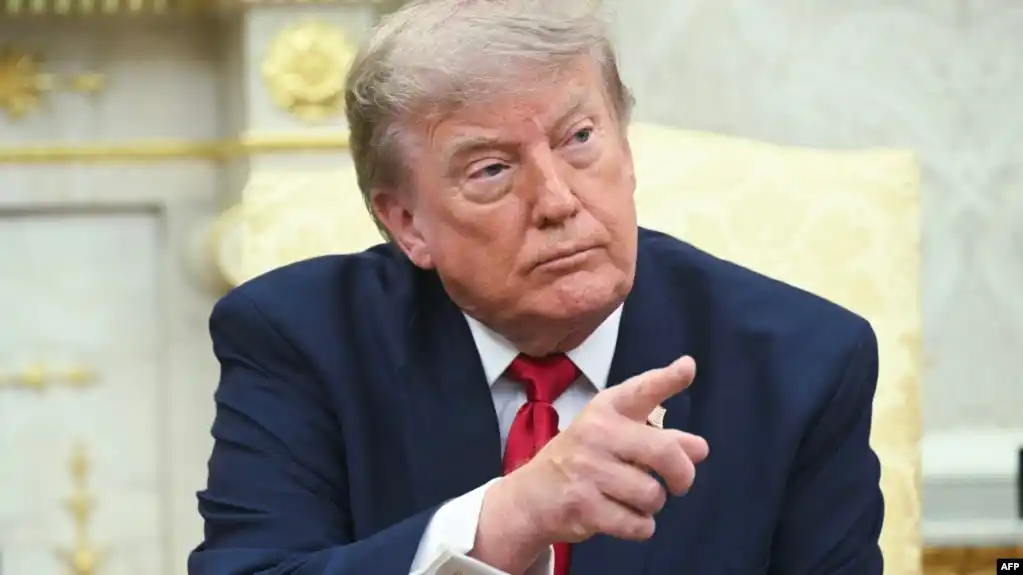

US President Donald Trump is preparing to govern through expanded executive authority if Democrats gain control of Congress in the November 3, 2026, midterm elections.
According to Reuters, senior White House officials have spent months developing strategies to advance Trump’s political agenda without requiring new congressional approval.
White House Develops Alternative Governing Strategy
Deputy Chief of Staff Stephen Miller and Budget Director Russell Vought have worked with White House lawyers since April.
Their plans focus on immigration, tariffs, housing costs and federal spending.
Officials are examining possible tariffs on critical minerals and wind turbines.
They are also considering stricter visa regulations for international students and temporary foreign workers.
Trump Could Become ‘Mr. Veto’
Trump has acknowledged the possibility of Republican losses.
He suggested that he could initially reject Democratic legislation before negotiating political compromises.
Democrats need a net gain of four seats in both congressional chambers to secure majorities.
Current polling favors Democrats in the House, while the Senate contest remains uncertain.
Democrats Could Launch Investigations
A Democratic-controlled Congress could block legislation, challenge federal spending decisions and investigate Trump’s administration.
Democratic lawmakers have discussed examining whether presidential powers benefited Trump, his allies or political donors.
White House legal advisers are reportedly preparing officials for subpoenas and congressional document requests.
They are also exploring executive privilege protections.
Can Trump Govern Without Congressional Support?
Although Trump retains significant presidential powers, Congress and federal courts could restrict certain actions.
Democrats could also block judicial appointments if they capture the Senate.
However, Trump would retain veto authority and considerable control over foreign policy and federal agencies.
The election outcome could therefore reshape American politics during the final two years of his presidency.

