
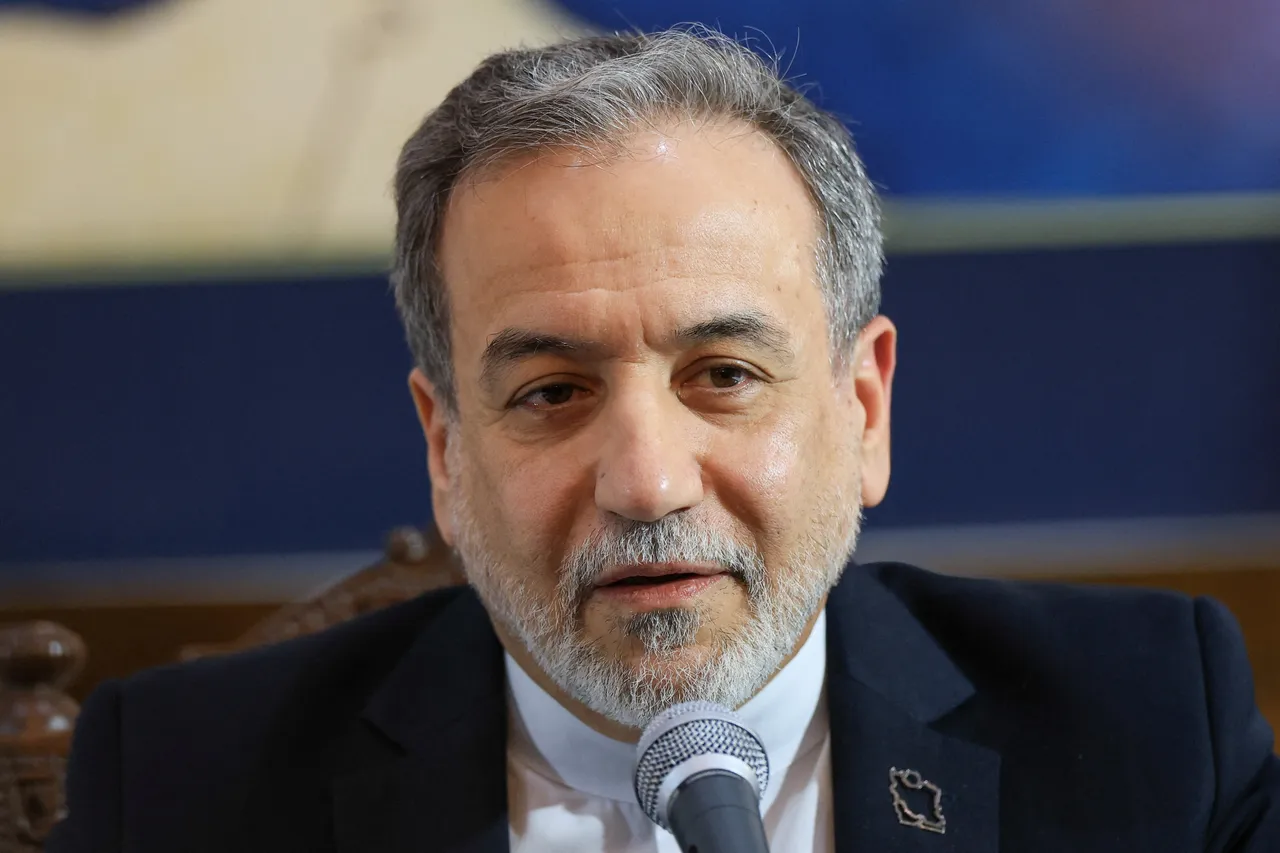

Iranian Foreign Minister Abbas Araghchi warned that confiscating another country’s assets to cover future claims could create a dangerous global precedent.
In a post on a private account, Araghchi responded to US President Donald Trump’s threat that Iran would pay for damages caused to cargo ships. He said no country’s assets would remain safe if governments accepted such actions.
Trump had said that any damage caused to ships would be paid through frozen Iranian assets held by the United States. However, he did not explain how the process would work.
Iran Reports Drone Strikes on US Bases
The Iranian military said it launched drone attacks on US military facilities in Bahrain and Jordan early Friday.
According to Iranian state media, Arash drones targeted fuel tanks, equipment warehouses, aircraft hangars and accommodation facilities at Sheikh Isa Air Base in Bahrain.
Iran also claimed that drones struck US facilities at Al-Azraq Air Base in Jordan, including maintenance areas and accommodation buildings.
Bahrain’s Interior Ministry issued a warning after sounding an emergency siren. Officials advised citizens to remain calm and move to safe locations.
US, Bahraini and Jordanian authorities did not immediately confirm the reported attacks. They also did not report any casualties or damage.
Hormuz Shipping Drops Amid Rising Tensions
Ship-tracking data showed that tanker movement through the Strait of Hormuz reached its lowest level in two months.
Only one oil tanker crossed the strategic waterway on Thursday, according to data from Kpler. No ships entered the strait on July 23.
Meanwhile, 32 tankers crossed the Bab el-Mandeb Strait on the same day, slightly higher than the previous day’s figure.
The decline in Hormuz traffic has increased concerns over global energy supplies. The waterway handles a significant portion of the world’s oil shipments.
Trump Threatens Military Response Against Iran and Houthis
Trump warned Iran and Yemen’s Houthis of major military consequences after Houthi fighters attacked Saudi oil tankers in the Red Sea.
The attacks pushed oil prices higher as traders feared disruptions at another major shipping route. Brent crude prices rose more than 6%, crossing $100 per barrel for the first time since May.
The United States has continued airstrikes on Iran, while Tehran has responded with attacks on US-linked targets in the region.
Iranian media reported strikes on Qeshm Island near the Strait of Hormuz. Iranian officials also said a US attack on Ahvaz killed four people and injured five others.
Trump said Iran had not suffered enough consequences and warned of further action.
The Houthis claimed responsibility for attacks on Saudi tankers Encelia and Layla. Maritime sources confirmed that the Encelia sent a distress signal after a reported missile strike near Saudi Arabia’s Jizan port.
The attacks have increased shipping risks in the Red Sea, forcing some vessels to avoid the Bab el-Mandeb route and take longer journeys around Africa.
Regional Conflict Raises Global Economic Concerns
Iranian officials said their forces also targeted US military sites in Jordan and Kuwait. Jordan’s military said it intercepted several Iranian missiles and drones.
The ongoing conflict has raised concerns over inflation, oil prices and global economic stability.
High energy costs are also creating pressure on US lawmakers ahead of congressional elections.
The US House of Representatives recently passed legislation calling for an end to military action against Iran. However, the Senate blocked a similar measure.

