

The United States has issued a strong warning to China over its oil imports from Iran. US Treasury Secretary Scott Bessent said Washington will take action to stop the flow of Iranian oil to China. His remarks highlight rising tensions between major global powers over energy and trade.
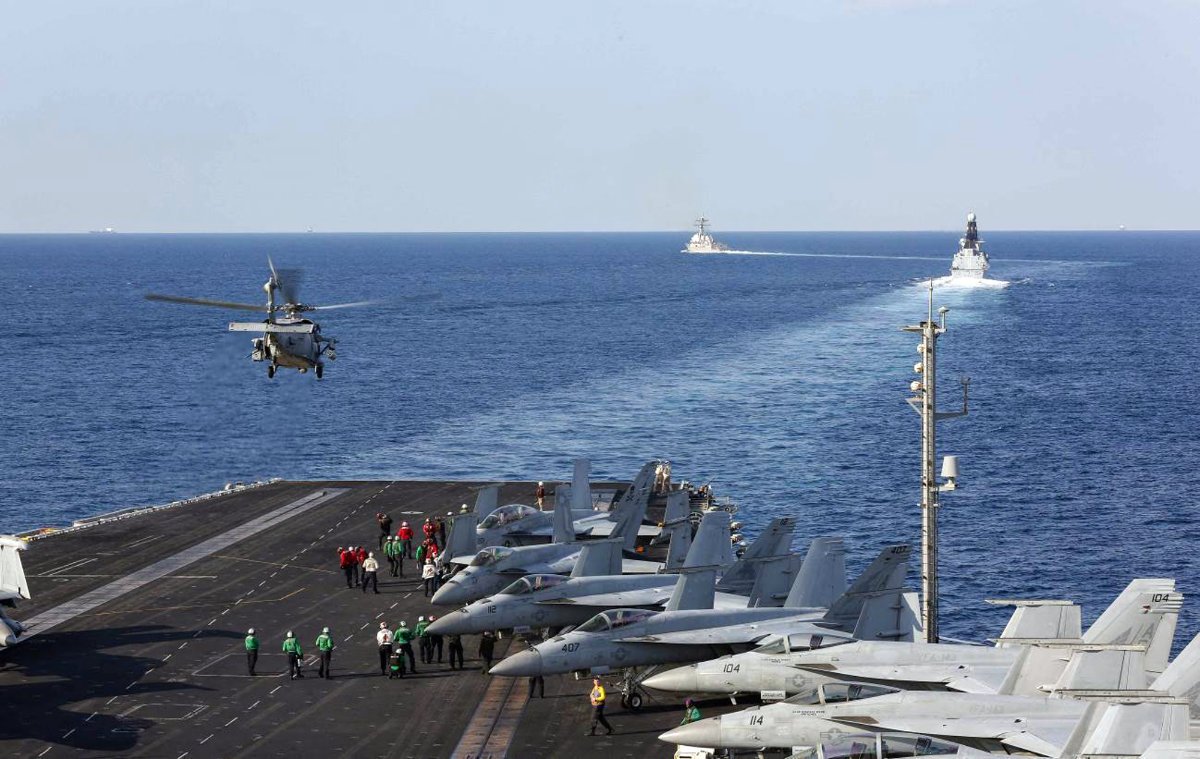
Speaking in Washington, DC, Bessent made the US position clear. He stated that China would not be allowed to access Iranian oil shipments. According to him, Chinese tankers carrying such oil could face restrictions. These measures may be enforced in the critical Strait of Hormuz.
The Strait of Hormuz is one of the world’s most important oil transit routes. Any disruption there can impact global energy markets. The US warning signals possible escalation in monitoring and enforcement activities in the region.
Rising Pressure on China-Iran Energy Ties
The US has long opposed Iran’s oil exports due to sanctions. These sanctions aim to limit Tehran’s revenue sources. However, China has continued to purchase Iranian oil despite restrictions.
Bessent emphasized that while China can import oil, Iranian supplies are off limits. His statement reflects Washington’s stricter stance on sanctions enforcement. It also shows increasing scrutiny of global energy flows.
China relies heavily on imported oil to fuel its economy. Iran has been a key supplier due to discounted prices. Blocking these shipments could impact China’s energy strategy.
The move could also affect global oil prices. Reduced supply options often lead to market volatility. Analysts are closely watching how China responds to this warning.
Accusations of Unfair Global Practices
In addition to oil concerns, Bessent criticized China’s broader economic behavior. He described China as an “unreliable global partner.” His comments focused on trade and supply chain practices.
He accused China of stockpiling oil reserves. He also claimed that Beijing is restricting exports of certain goods. These actions, he suggested, disrupt global markets.
Such criticism reflects ongoing US-China tensions. The two countries have clashed over trade, technology, and geopolitics. Energy policy is now becoming another key area of conflict.
Washington has repeatedly called for fair and transparent trade practices. China, on the other hand, defends its policies as necessary for national security and economic stability.
Global Impact and Strategic Implications
The US warning could have wide-reaching consequences. It may increase tensions in the Middle East. It could also affect shipping routes and energy security worldwide.
Countries that depend on stable oil supplies are watching closely. Any disruption in the Strait of Hormuz can have immediate global effects. Energy prices and supply chains could face new challenges.
The situation also underscores the growing rivalry between the US and China. Both nations are competing for influence in global markets. Control over energy resources remains a critical factor.
As tensions rise, diplomatic efforts may become more important. Dialogue could help prevent escalation. However, strong statements from both sides suggest a difficult path ahead.
The coming weeks will be crucial. The global community will monitor actions in the Strait of Hormuz. The outcome could reshape energy trade dynamics and geopolitical relations.

